Prime Minister Narendra Modi inaugurated key sections of the Dedicated Freight Corridor in Vadodara, contrasting current infrastructure speed with the 'administrative inertia' of the UPA era while urging youth to lead India's AI revolution.
- PM Modi inaugurated key sections of the 2,800-km Dedicated Freight Corridor (DFC) in Western India.
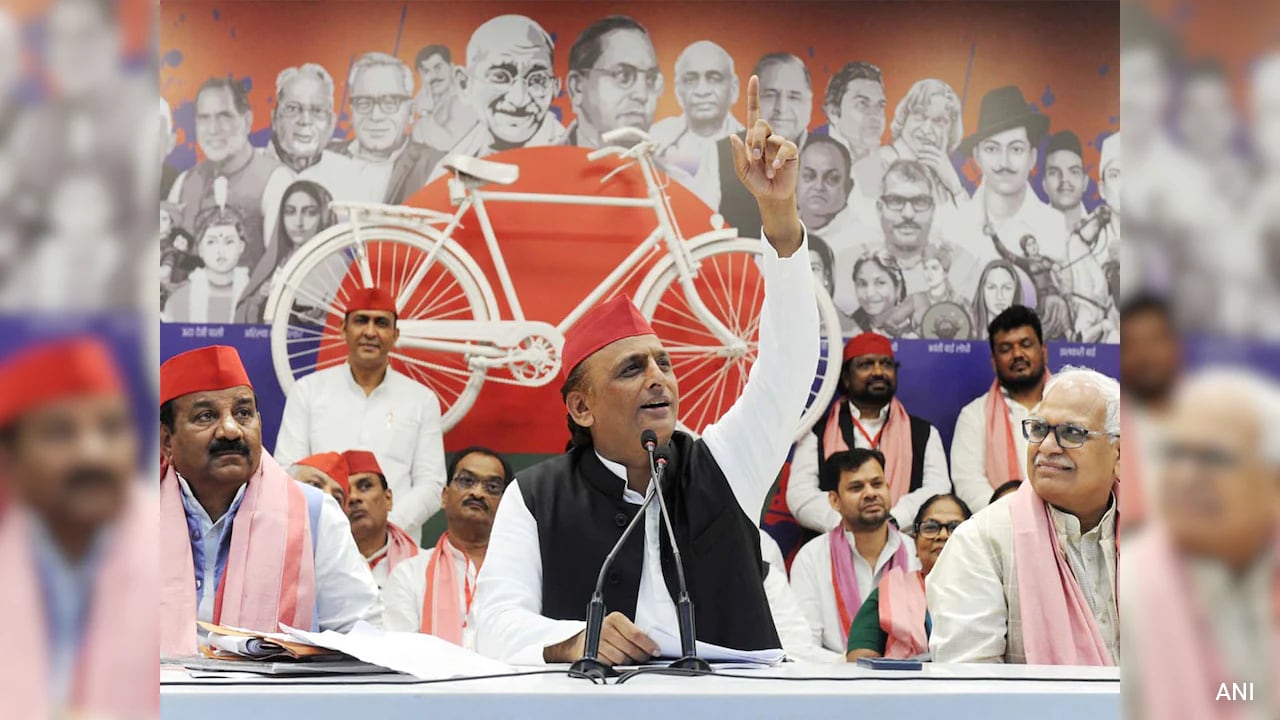
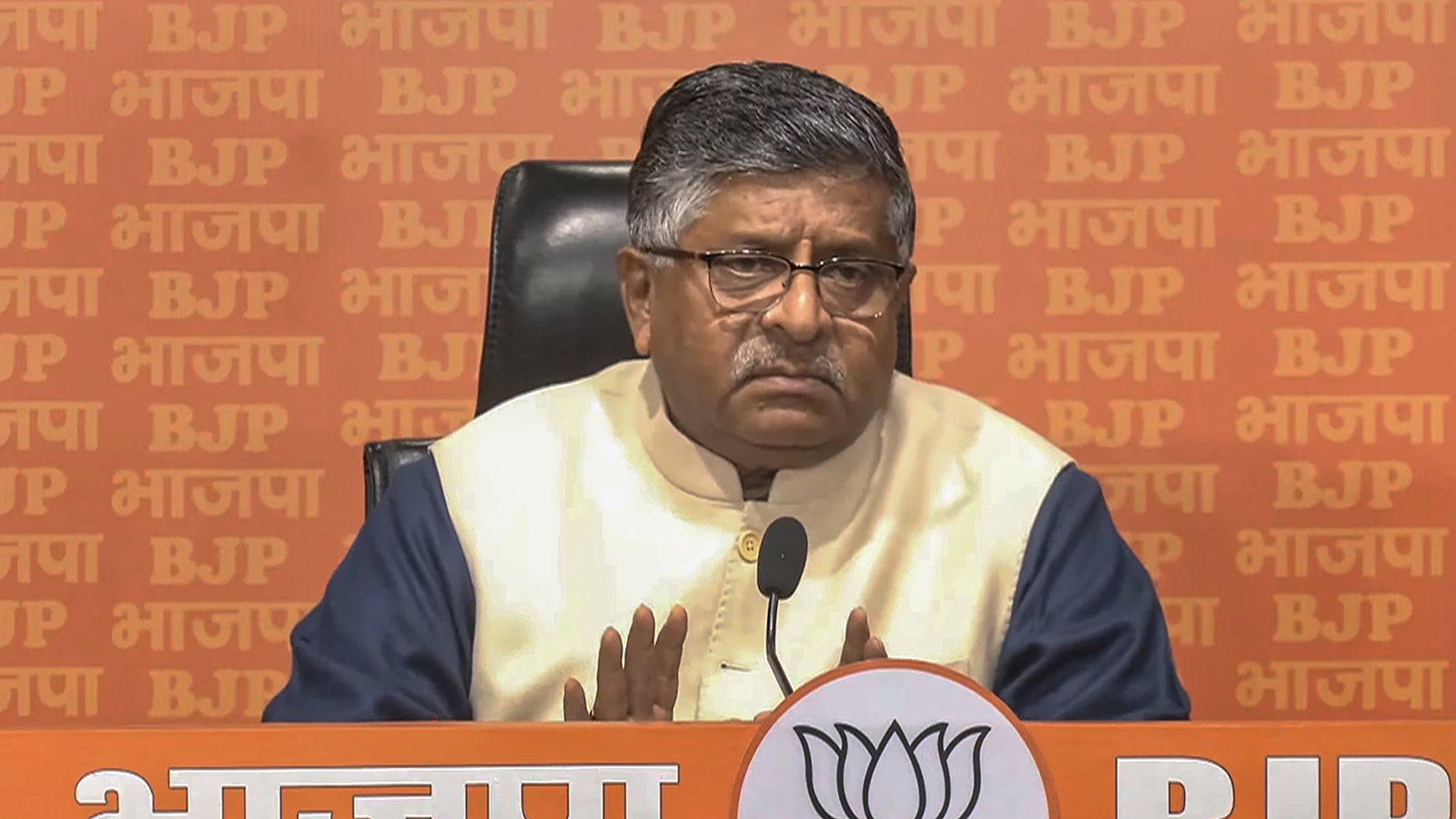
- The PM criticized the UPA government for 'administrative inertia,' claiming files remained stagnant for years.
- A strong emphasis was placed on preparing India's youth for the Artificial Intelligence (AI) and semiconductor ecosystem.
- The government announced free online coaching for competitive exams to support middle-class students.
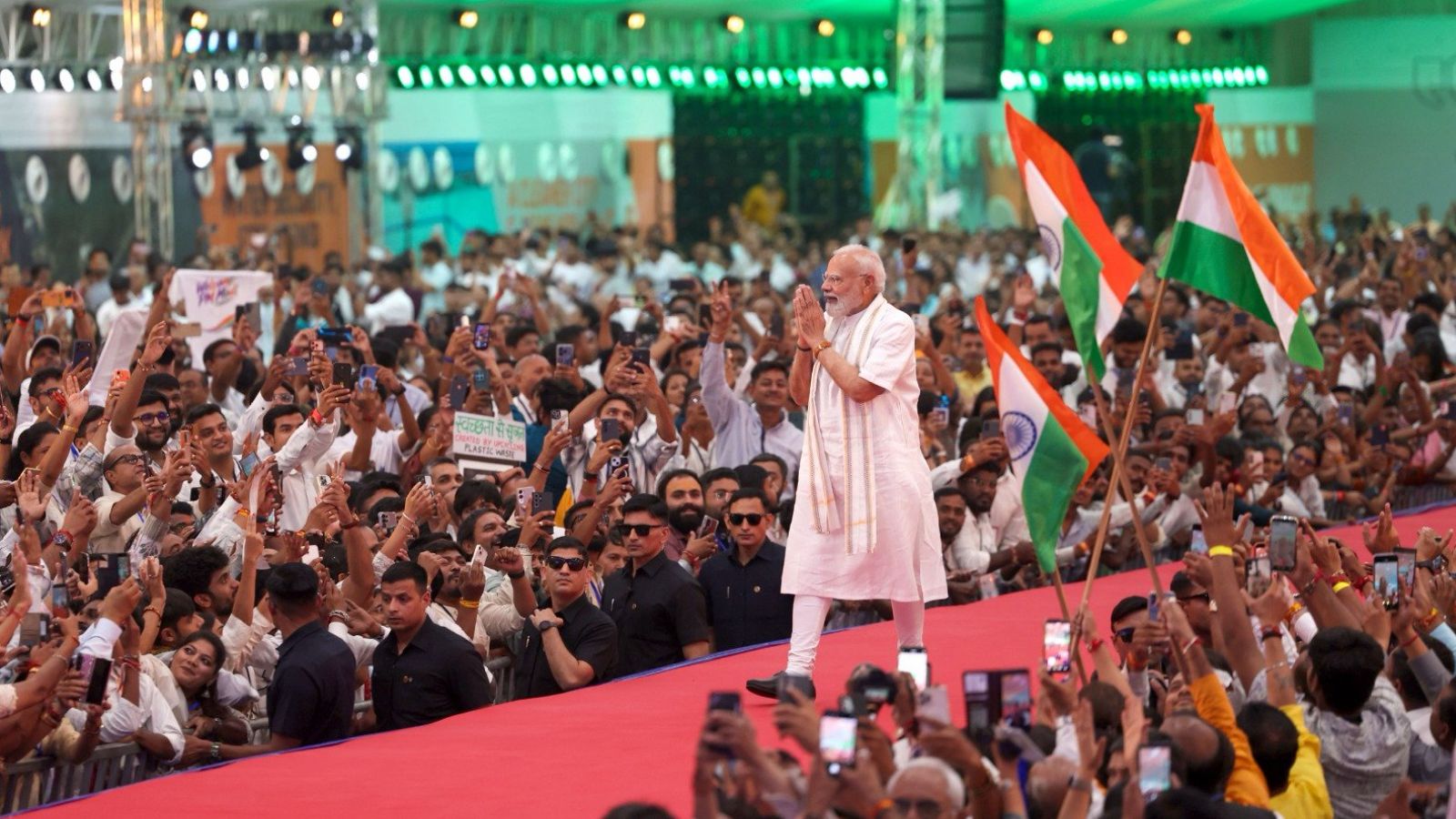
Addressing a massive gathering of over 6,000 people, including students, ministers, and social media influencers in Vadodara, Prime Minister Narendra Modi marked a significant milestone in India's logistics history. The inauguration of the Dedicated Freight Corridor (DFC) represents a shift toward high-efficiency cargo movement, aimed at reducing transit times and costs across the country's western industrial belt.
The Prime Minister did not mince words while reflecting on the project's history. He revealed that while the concept of the freight corridor was conceived in 2004 and a dedicated company was established by 2006, the project suffered from extreme delays. He described the UPA era as a period of "administrative inertia," where files were merely shifted from one desk to another without any actual progress on the ground.
Using the evocative Hindi phrase "atakti, latakti, bhatakti" (stuck, hanging, and lost), PM Modi claimed that not a single kilometer of the corridor was completed in the first seven to eight years of its inception. He warned the youth in attendance that if the current government had operated at that same pace, the project might not have been completed for several generations.
Why This Matters
BozokMedia analysis shows that the Prime Minister is strategically blending infrastructure achievements with a narrative of 'governance efficiency' to appeal to Gen Z. By contrasting the 'stagnant' past with a 'fast-paced' present, the administration is positioning itself as the only entity capable of navigating the complexities of 21st-century global competition, specifically in the realms of AI and logistics.
To illustrate the impact of the DFC, the PM provided stark data: freight trains that previously took six and a half hours to cover 100 kilometers now do so in less than half that time. Similarly, truck journeys that once took 30 hours have been slashed to 10-12 hours. He poked fun at critics, referring to them as "naaraaz fufajis" (angry uncles), suggesting they are out of touch with the modern trajectory of the nation.
The transition from traditional rail logistics to dedicated freight corridors is not just an engineering feat, but a strategic economic necessity to lower the cost of doing business in India.
Beyond infrastructure, the PM pivoted to the future of work. He emphasized that Artificial Intelligence (AI) is not just for software engineers but must be integrated into agriculture, healthcare, and manufacturing. He linked this digital ambition to energy security, noting that the push for solar, wind, nuclear, and rare-earth minerals is the foundation for the semiconductor and data center industries.
In a move to address widespread concerns over paper leaks and expensive education, PM Modi announced that the government would provide free online coaching for competitive exams, delivered by India's top educators, to alleviate the financial burden on middle-class families.
Frequently Asked Questions
Q1: What is the Dedicated Freight Corridor (DFC)?
It is a specialized railway network designed exclusively for goods trains to separate them from passenger traffic, thereby increasing speed and reliability of cargo movement.
Q2: What did PM Modi mean by 'naaraaz fufaji'?
It is a colloquial term used by the PM to describe critics who he believes are pessimistic and disconnected from the aspirations of the younger generation.