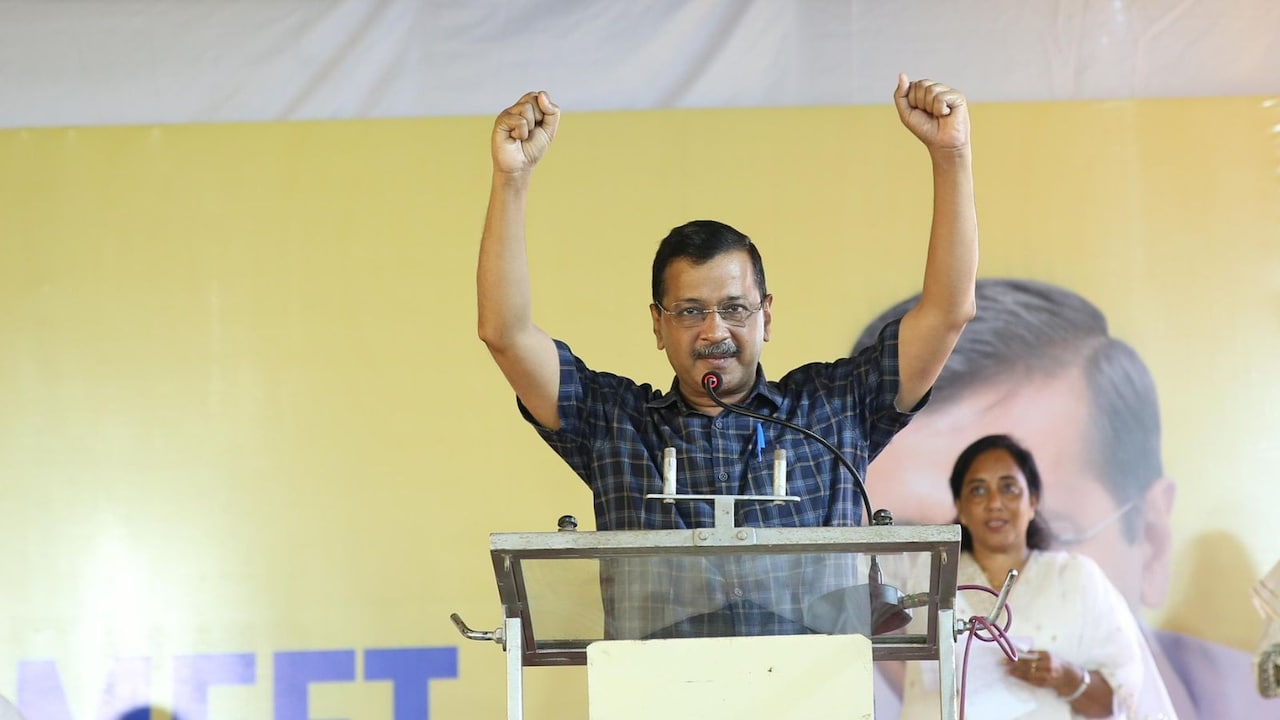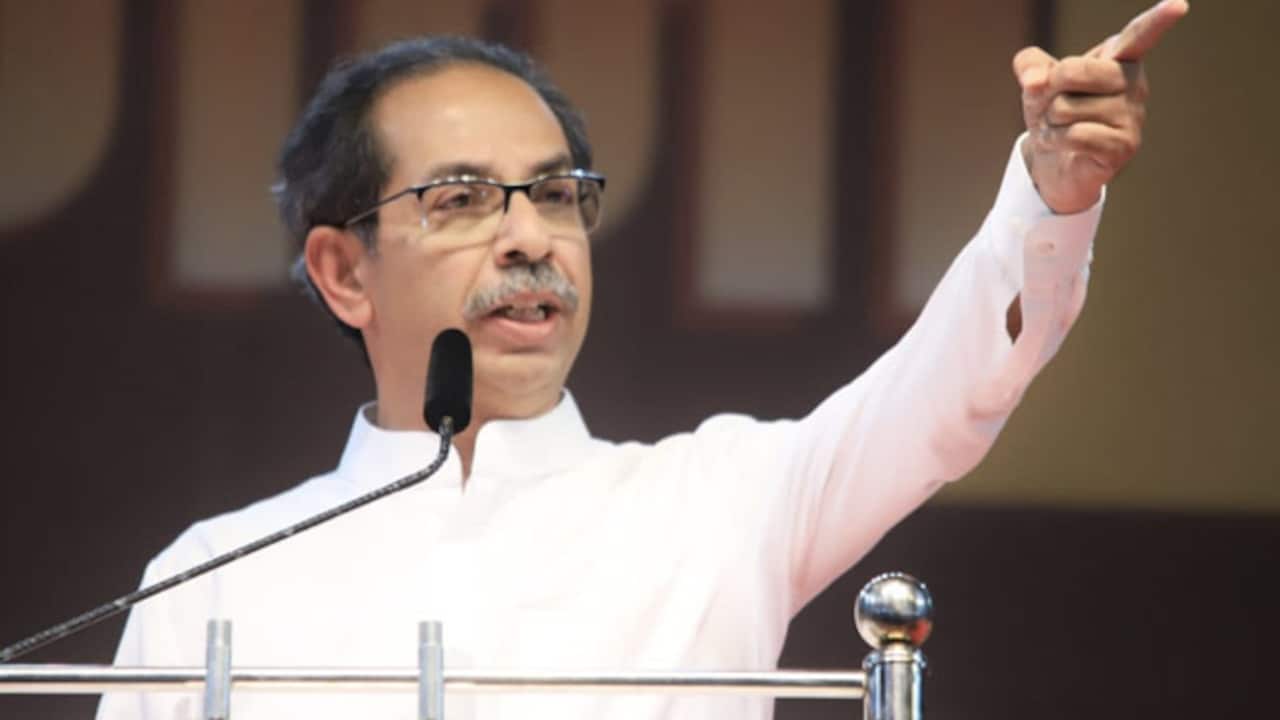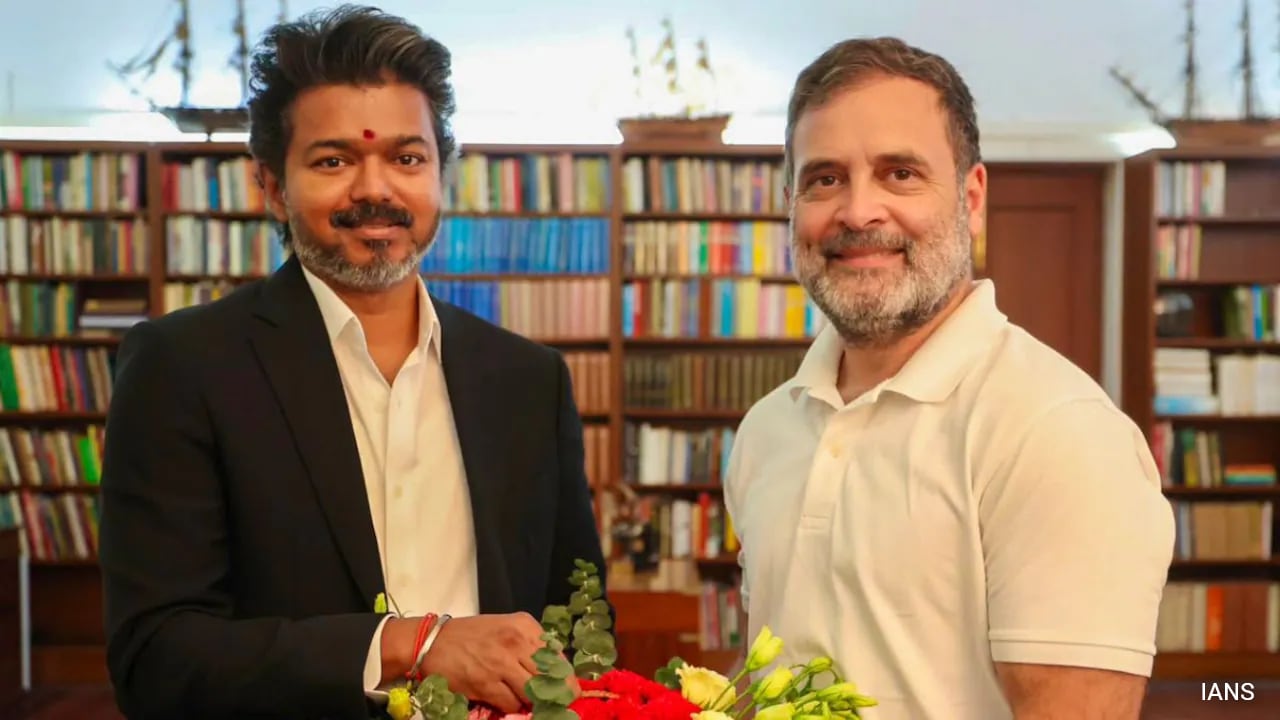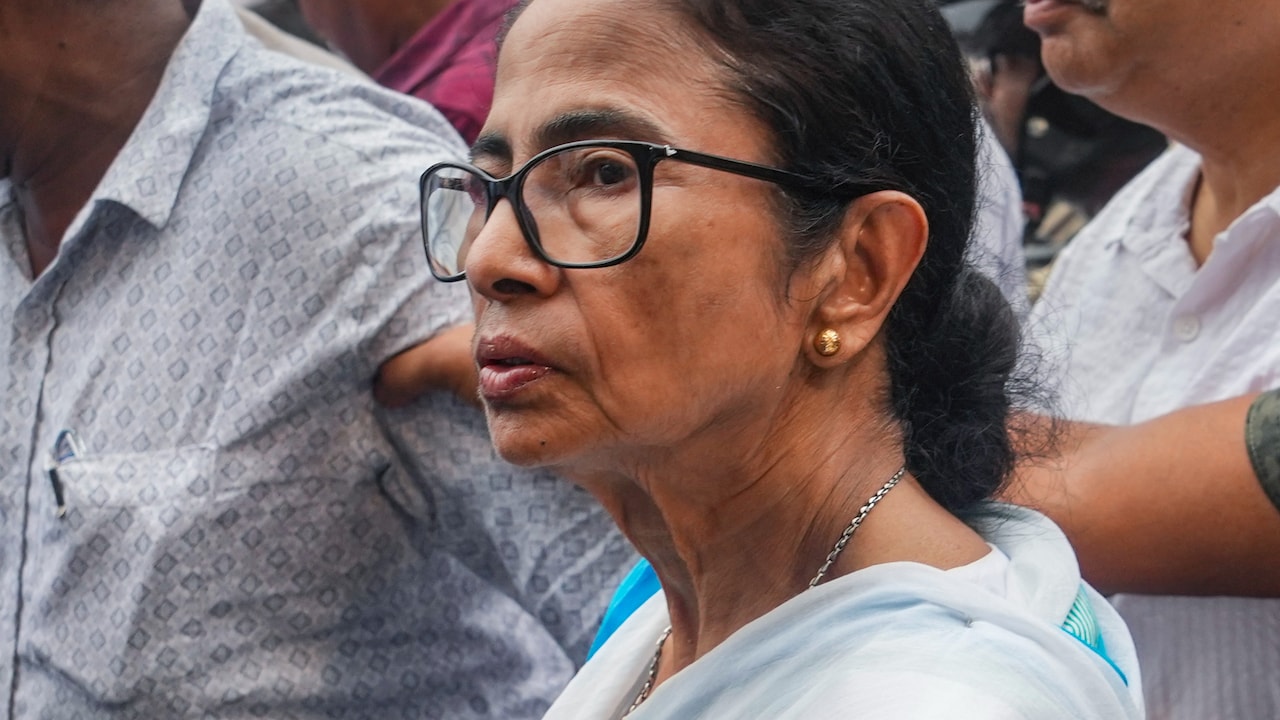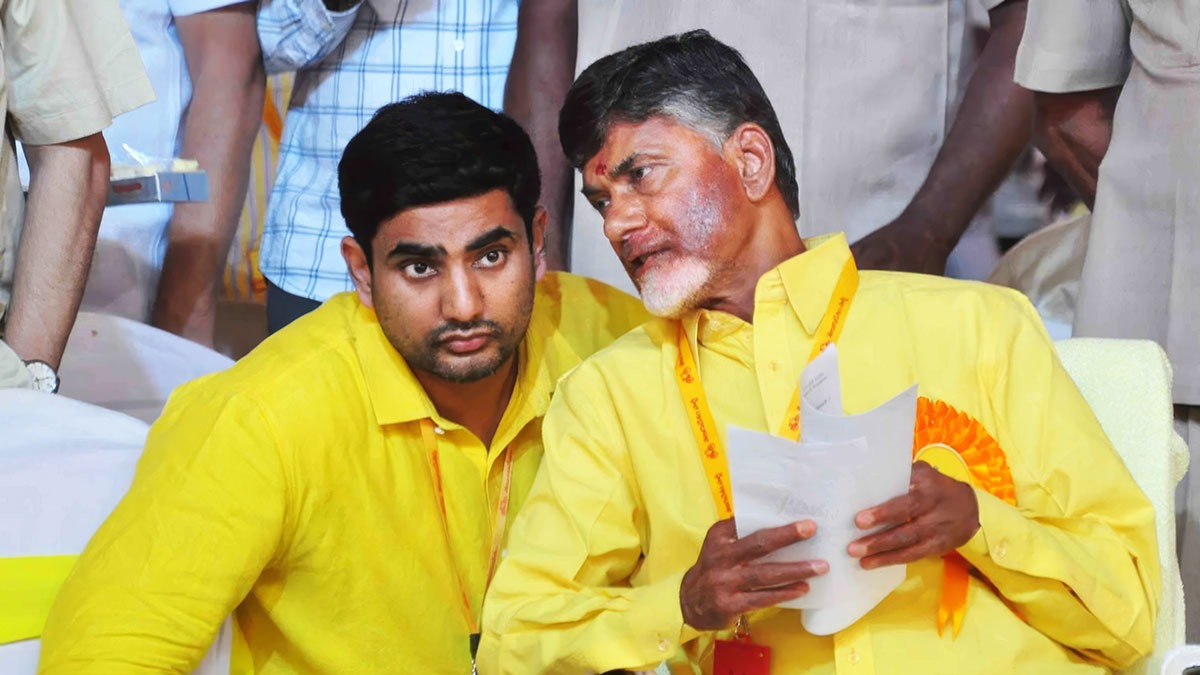
Chief Minister N. Chandrababu Naidu and Nara Lokesh are transforming the TDP into a professional political machine. Through a first-of-its-kind leadership conclave, the party is prepping its cadre for the 2029 state elections.
- TDP has implemented a corporate-style leadership development model for the 2029 assembly polls.
- CM Naidu emphasized adapting political strategies to match the dynamics of Gen Z voters.
- Nara Lokesh introduced 'TDP Version 3.0', focusing on digital communication and booth-level accountability.
While the Andhra Pradesh assembly elections are still over two years away, Chief Minister N. Chandrababu Naidu and the Telugu Desam Party (TDP) have already shifted into high gear. In a move that mirrors corporate strategy more than traditional politics, the 'CEO-CM' and his Stanford-educated son, Minister Nara Lokesh, are deploying a structured leadership-development model involving training, peer learning, and mentorship.
The party recently hosted a landmark leadership conclave at its Mangalagiri headquarters. This intensive workshop brought together MPs, MLAs, MLCs, and senior functionaries to upskill elected representatives. The immediate target is the upcoming local body elections, which serve as a critical mid-term performance audit before the 2029 general battle.
Why This Matters
BozokMedia analysis shows that TDP is attempting to institutionalize political leadership. By moving away from haphazard rallies toward structured workshops, the party is trying to minimize the 'liability' of inefficient representatives. This professionalization of politics could set a new precedent for regional parties across India.
Addressing the conclave, Naidu highlighted the necessity of generational adaptation. He noted that every decade brings a new demographic shift, and the party's approach must evolve to resonate with Gen Z. He further emphasized the importance of the alliance between TDP, BJP, and Jana Sena to maintain a consolidated front.
"The shift from charisma-based leadership to system-based leadership is the only way for political parties to survive the volatility of modern voter behavior."
Nara Lokesh took the lead on 'Political Communication and Public Orientation,' urging leaders to treat social media as a primary tool for governance and outreach. Drawing parallels with Prime Minister Narendra Modi's use of selfie videos, Lokesh encouraged leaders to use direct video communication to debunk opposition misinformation with evidence-based facts.
Lokesh challenged the '2024 batch' of young leaders to become the most efficient cohort in the party's history. He observed that the party's primary struggle is not the delivery of services, but the failure to communicate those successes as aggressively as the opposition spreads misinformation. This new era, termed 'TDP Version 3.0', prioritizes party discipline and internal debate.
Frequently Asked Questions
1. What is 'TDP Version 3.0'?
It is a strategic shift toward a more responsive, people-centric, and professionally trained organization that utilizes digital tools for direct public engagement.
2. Why focus on local body elections now?
Local polls act as a precursor to assembly elections, providing a grassroots litmus test for the government's welfare schemes and administrative efficiency.