The announcement of the Census 2027 schedule has effectively ended speculation regarding advanced Punjab Assembly elections, granting major political parties critical breathing room to strategize and reorganize.
- Census 2027 enumeration in Punjab is set for Dec 1 to Jan 4, 2027, making November 2026 polls unlikely.
- Congress aims to resolve internal infighting, while BJP seeks organizational expansion and alliance clarity.
- AAP gains more time to defend its governance record amid ED probes and administrative controversies.
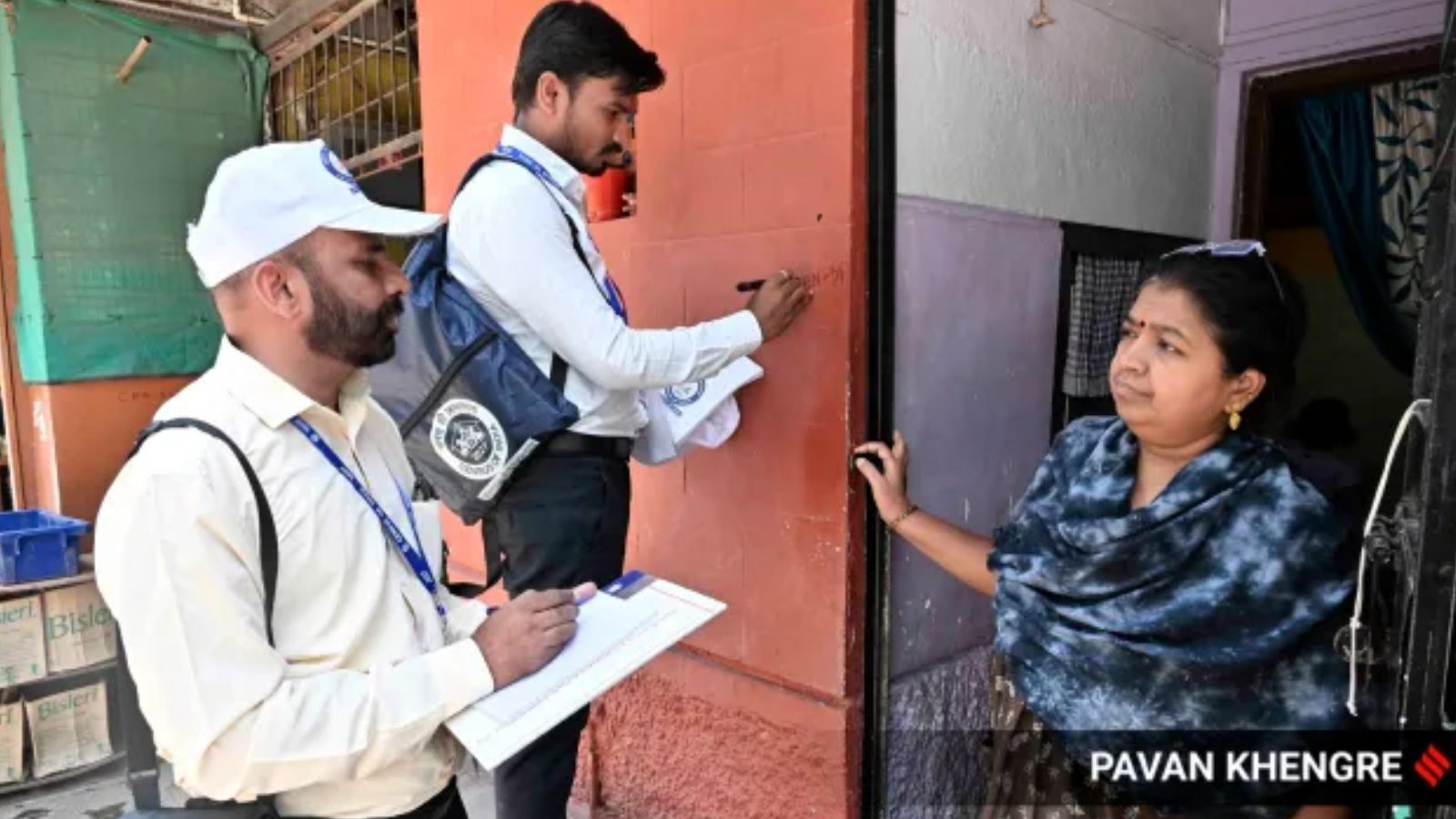
The political landscape in Punjab has shifted from a state of high alert to strategic recalibration. The Central Government's decision to schedule the enumeration phase of Census 2027 from December 1 to January 4, 2027, has acted as a definitive signal that the Punjab Assembly elections will not be advanced to November this year. This development comes as a significant reprieve for the state's primary political contenders, who had been bracing for an early electoral battle.
The speculation regarding an early poll was largely fueled by Arvind Kejriwal, the national convenor of the Aam Aadmi Party (AAP), who in June suggested that elections might occur in November rather than February. With the term of the current Assembly ending on March 16, 2027, the Census timeline ensures that the democratic process follows a more traditional trajectory, providing an additional four-month window for preparation.
Why This Matters
BozokMedia analysis shows that this temporal shift is not merely a calendar adjustment but a strategic lifeline. For the Indian National Congress, the extra time is seen as a goldmine for internal healing. Leader of the Opposition Partap Singh Bajwa has explicitly stated that the party can now recover the ground lost during periods of internal 'squabbles' and dissent. For the BJP, the window allows for a critical assessment of its 2024 Lok Sabha failure and a potential reconsideration of its relationship with the Shiromani Akali Dal (SAD).
The shift in election timing transforms a sprint into a marathon, allowing parties to pivot from panic-mode campaigning to systematic organizational building.
The BJP, however, maintains a public stance of independence. State president Kewal Singh Dhillon has asserted that the party will contest all 117 seats, arguing that the extended timeline will actually expose the ruling AAP government's flaws further. Dhillon pointed toward growing discontent among government employees and rural populations as key vulnerabilities for the current administration.
For the ruling AAP, the reprieve is twofold. While they must still contend with Enforcement Directorate (ED) investigations and allegations of police excesses—such as the Mohanjit Singh case—they now have a longer runway to showcase their governance achievements and counter the narrative of a 'police state' promoted by the opposition.
Historical Background
Historically, Punjab's political dynamics have been characterized by volatile alliances and sudden shifts in public sentiment. The 2022 elections saw a landslide victory for AAP, disrupting the traditional bipolar contest between Congress and the SAD-BJP alliance. The current tension reflects the struggle of traditional powers to find a new equilibrium in a post-alliance era.
| Party | Primary Gain from Delay | Key Challenge Remaining |
|---|---|---|
| Congress | Internal reconciliation | Candidate selection |
| BJP | Organizational growth | Alliance strategy with SAD |
| AAP | Governance defense | ED Probes & Admin Scandals |
Frequently Asked Questions
Q1: Why does the Census schedule affect the election date?
Conducting a Census and a major state election simultaneously creates massive administrative and logistical overlaps, as the same government machinery is often required for both tasks.
Q2: Which party benefits most from the delay?
While AAP gets time to defend its record, the Opposition (Congress and BJP) benefits more as they were less prepared for an early November poll.