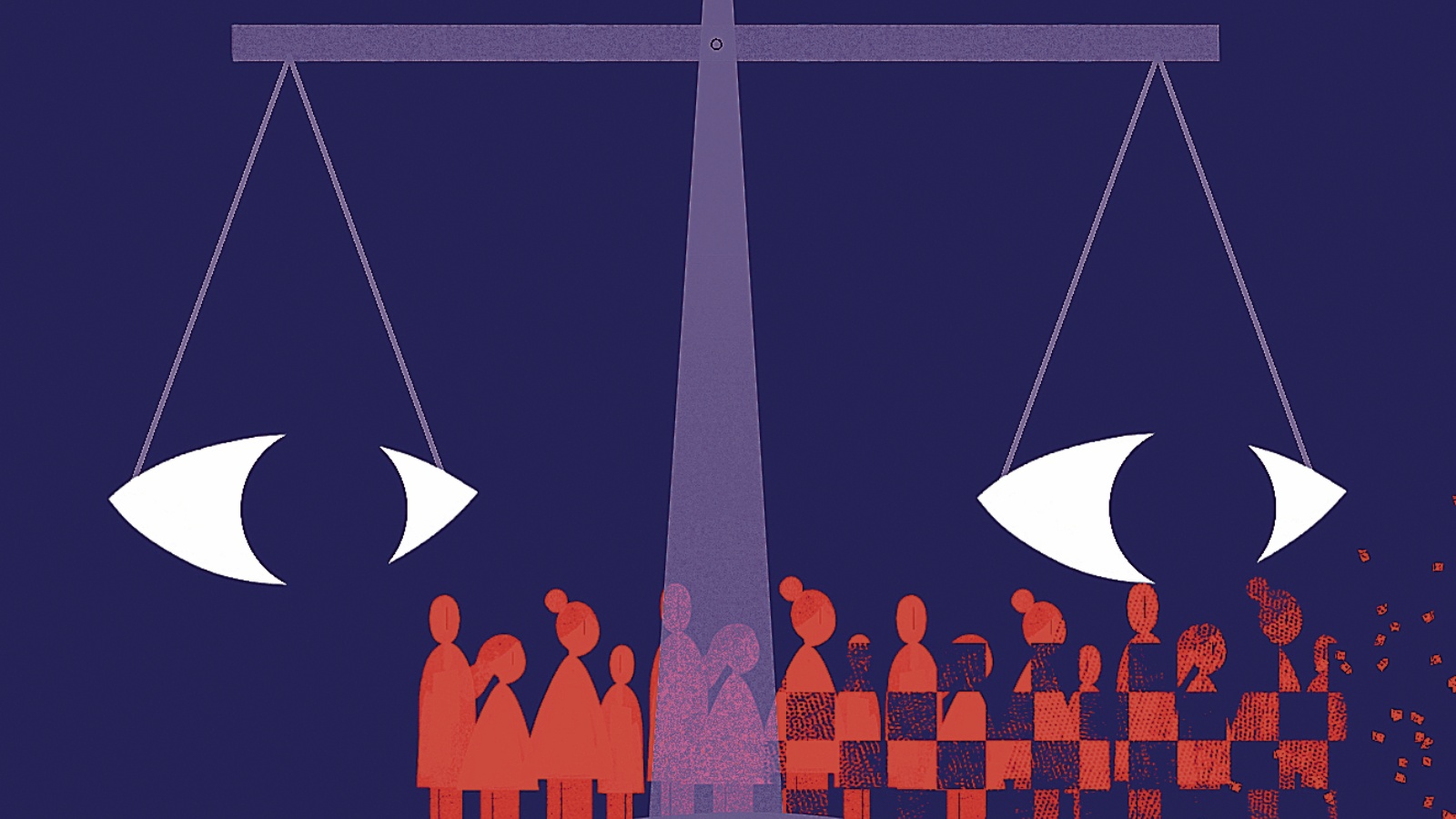
The Special Intensive Revision (SIR) of electoral rolls has led to the exclusion of 130 million Indian citizens, sparking a constitutional crisis regarding the right to suffrage and democratic integrity.
- Approximately 13 crore (130 million) citizens have been excluded from the electoral rolls.
- Massive deletions occurred in key states, with 48 lakh in Delhi and 2 crore in Maharashtra alone.
- Critics argue the process violates Article 326 of the Constitution and the Representation of the People Act, 1950.
The Special Intensive Revision (SIR) of electoral rolls, conducted by the Election Commission of India (ECI), has come under intense scrutiny. Legal experts argue that what was presented as a 'revision' has effectively become a 'Special Intensive Exclusion' (SIE). The sheer scale of the deletions—affecting 130 million people—suggests a systemic failure or a deliberate shrinking of the democratic electorate.
Under Article 326 of the Indian Constitution, the right to be registered as a voter is a fundamental pillar of adult suffrage. As long as a person is a citizen and meets the age requirement, they cannot be disqualified based on whims. Given that the majority of citizens possess identifying documents like Aadhaar, passports, or birth certificates, the mass exclusion of millions remains inexplicable and legally tenuous.
Why This Matters
BozokMedia analysis shows that the implications of this exclusion extend far beyond the polling booth. In the current administrative climate, the electoral roll often serves as a primary proof of residence and citizenship. The loss of a voter ID can trigger a domino effect, leading to the cancellation of ration cards, loss of free food grains, and difficulties in renewing passports. This creates a state of systemic vulnerability for the marginalized.
"Franchise is a most fundamental thing in a democracy; no person entitled to be on the electoral rolls should be excluded due to the prejudice of a local government or the whim of an officer."
The Representation of the People Act, 1950, specifically Section 22, mandates that an Electoral Registration Officer (ERO) must conduct a proper inquiry and provide the affected person a right to be heard before deleting their name. However, reports suggest that Booth Level Officers (BLOs) have deleted names arbitrarily, shifting the entire burden of proof onto the citizens.
Looking back at the Constituent Assembly debates of June 1949, leaders like B.R. Ambedkar, K.M. Munshi, and R.K. Sidhwa envisioned a system where elections were "fair, pure, honest and impartial." They warned against the possibility of corrupt practices by the government itself. The recent endorsement of these deletions by the Supreme Court on May 27 has further deepened concerns that the safeguards envisioned by the founding fathers are being dismantled.
Frequently Asked Questions
Q1: What is the difference between Revision and Exclusion in this context?
A: Revision is the legal process of updating lists for deaths or relocations; Exclusion occurs when eligible citizens are removed without due process or valid legal grounds.
A: Citizens must approach the Electoral Registration Officer (ERO) with valid identity proofs, though the burden of proof has unfairly shifted to the individual.