A political spat has erupted between the Congress and the National Conference (NC) after the full version of Vande Mataram was sung at a J&K film festival. The clash highlights deep-seated ideological divisions within the INDIA bloc regarding secularism and national symbols.
- Congress demands NC stick to the first two stanzas of Vande Mataram to maintain secular ethos.
- NC retaliates by sharing videos of Congress Chief Ministers singing the full version.
- The row stems from the inaugural ceremony of J&K's first International Film Festival.
- PDP accuses the NC of being a 'silent enabler' for the BJP.
The political landscape of Jammu and Kashmir has witnessed a sudden flare-up as the National Conference (NC) and the Indian National Congress, both partners in the INDIA bloc, clash over the rendition of the national song, Vande Mataram. The controversy began when the full six stanzas of the song were performed at the inaugural ceremony of Jammu and Kashmir’s first International Film Festival in Srinagar, attended by Chief Minister Omar Abdullah and NC president Farooq Abdullah.
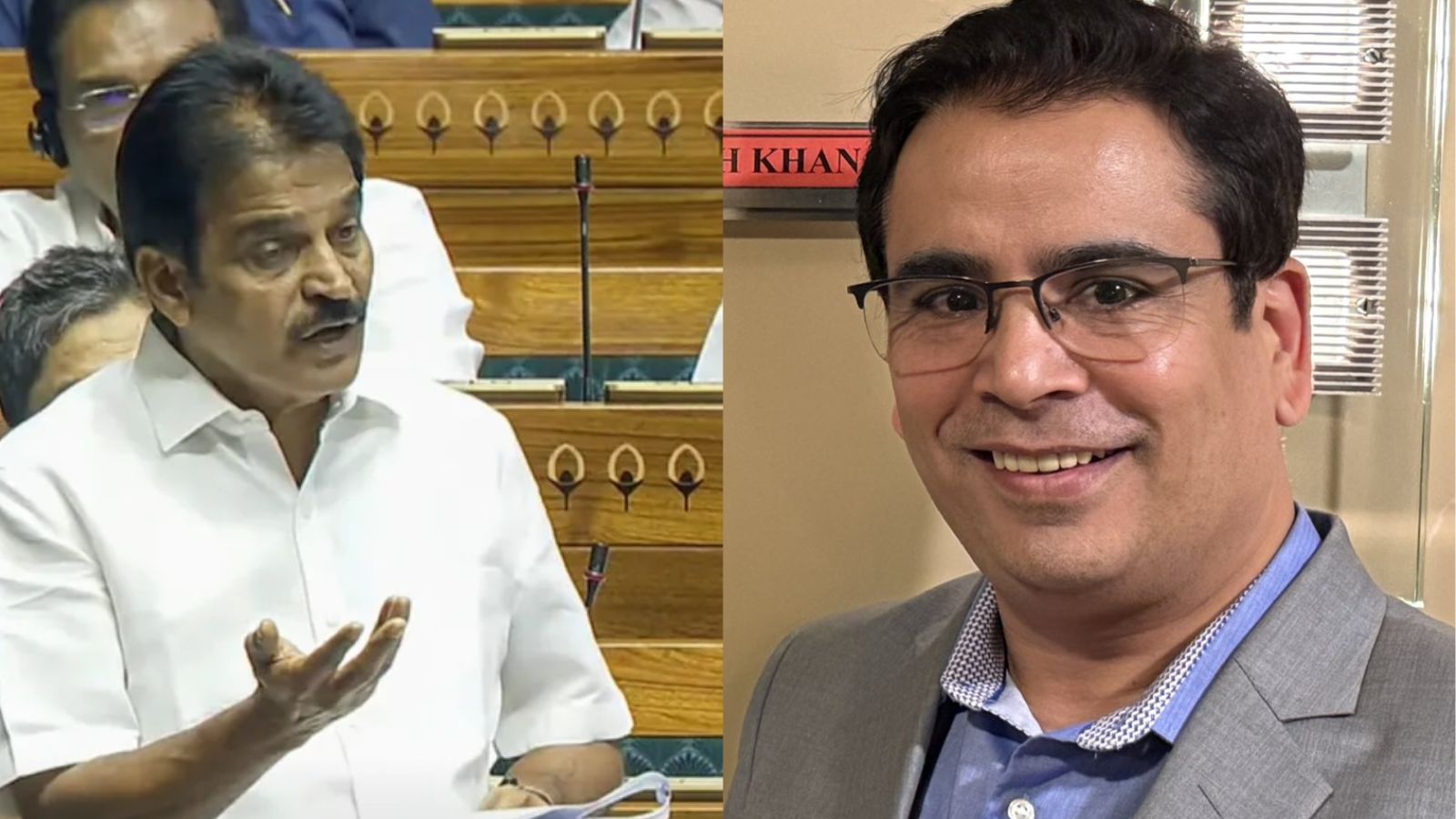
The All India Congress Committee (AICC) general secretary (organisation), K C Venugopal, expressed strong disapproval via X, urging the NC to honor the "wisdom and judgment of our freedom fighters." Venugopal argued that the full version of the song conflicts with the syncretic and pluralist values envisioned by leaders like Mahatma Gandhi, Jawaharlal Nehru, and Maulana Azad. He emphasized that the decision to sing only the first two stanzas was a deliberate choice made by the founders of the Republic to prevent the song from being communalized.
Adding weight to the Congress's position, J&K Congress president Tariq Hameed Karra termed the NC's action a "matter of concern," stating that national symbols should bind a diverse nation rather than create ideological friction. He argued that the evolution of the song's usage in official capacities should be respected by all alliance partners.
Why This Matters
BozokMedia analysis shows that this is not merely a dispute over lyrics, but a battle for the narrative of 'secularism' within the opposition. By pressuring the NC, the Congress is attempting to signal its commitment to a specific brand of pluralism. However, the NC's swift rebuttal suggests a refusal to be dictated to by the central leadership of the Congress, especially in the sensitive political climate of Kashmir.
The friction over Vande Mataram reveals the fragile equilibrium within the INDIA bloc, where regional identity often clashes with national party directives.
The National Conference did not remain silent. In a sharp counter-attack, NC legislator Tanvir Sadiq posted videos of Congress Chief Ministers, including A Revanth Reddy of Telangana and D K Shivakumar of Karnataka, singing the full version of the song at official functions. This move effectively accused the Congress leadership of hypocrisy, suggesting that the 'rules' applied to the NC are not followed by the Congress's own state heads.
The People's Democratic Party (PDP) seized the opportunity to attack both parties. PDP legislator Waheed Para alleged that the NC has "caved" to the BJP on key issues, including the Waqf Amendment Bill and EVM concerns, labeling the NC as the "BJP’s silent enabler in practice" despite being part of the INDIA bloc.
Historical Background
Written by Bankim Chandra Chatterjee, Vande Mataram served as a powerful rallying cry during India's struggle for independence. While the first two stanzas are widely accepted and used in national functions, the subsequent stanzas contain Hindu religious imagery, which has led to decades of political and religious debate. In 1950, the Constituent Assembly granted it equal status to the national anthem, but the shortened version became the standard for official state use to ensure inclusivity.
| Perspective | Congress Position | National Conference Position |
|---|---|---|
| Version | First two stanzas only | Full six stanzas performed |
| Justification | Secularism & Freedom Fighters' Wisdom | Consistency with other Congress CMs |
| Core Concern | Prevention of communalization | Political autonomy & consistency |
Frequently Asked Questions
1. Why is there a dispute over the full version of Vande Mataram?
The dispute arises because the later stanzas contain religious imagery that some argue contradicts the secular nature of the Indian state.
2. Who are the primary parties involved in this specific rift?
The primary parties are the Indian National Congress and the Jammu and Kashmir-based National Conference (NC).
