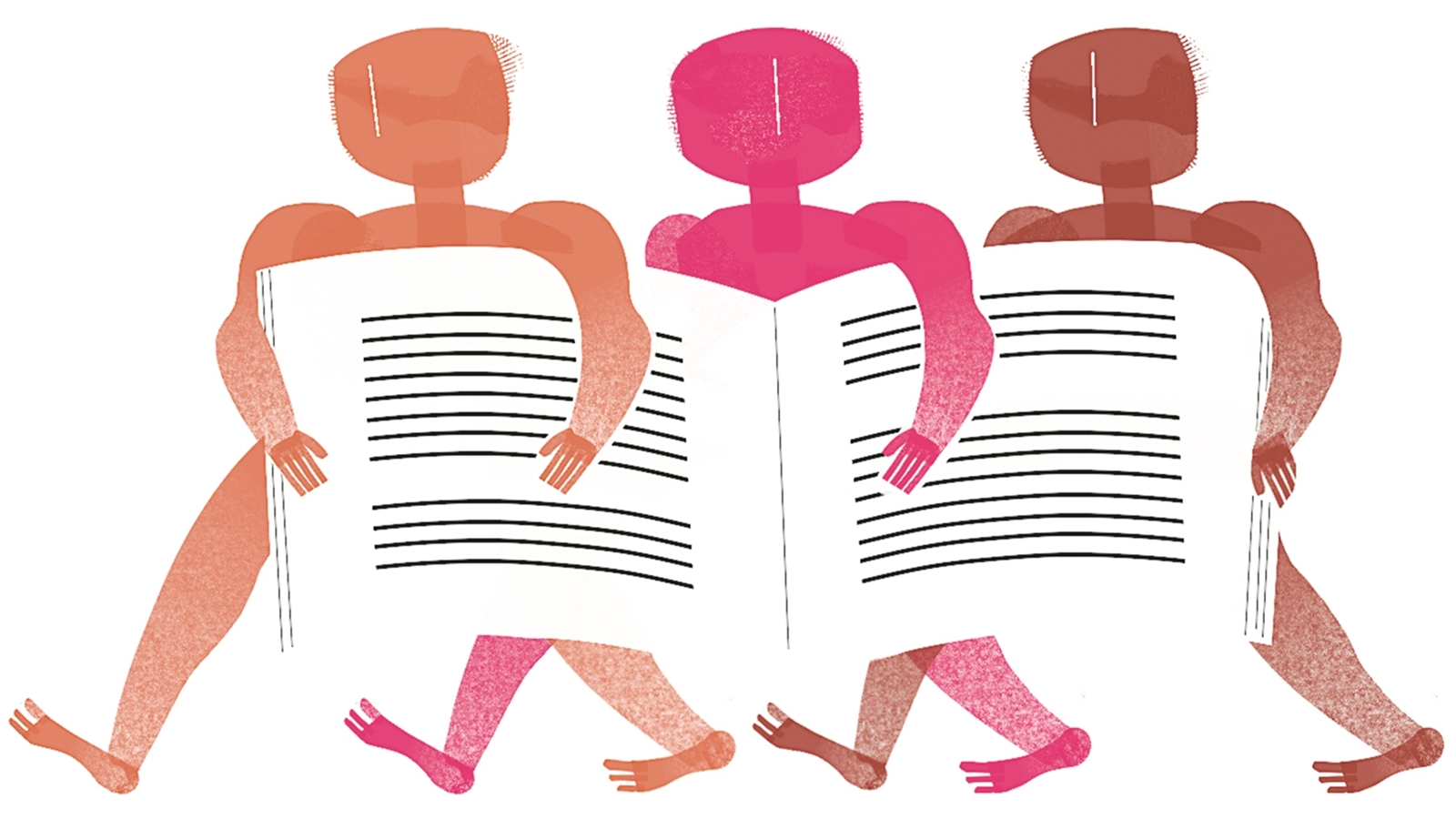
True humanity begins when we step beyond selfishness to feel the pain of others. Explore the profound psychological difference between sympathy and empathy.
- Empathy is not just an emotion; it is a noble quality born from the soul.
- Selfishness is identified as the greatest modern malady, with empathy being the cure.
- Raising children with emotional intelligence is vital for a compassionate future.
What truly defines a human being is not the depth of their intelligence, but the capacity of their heart to resonate with the suffering of others. In an era dominated by individualistic pursuits, the world is increasingly shrinking into the narrow confines of "self and family," leaving little room for the collective human experience.
As noted by psychological counselor M. Hajura Parveen, the greatest sickness plaguing our modern world is selfishness. The antidote to this pervasive condition is empathy. True personality development occurs only when an individual transcends self-centered thoughts and begins to pay attention to the struggles of fellow beings.
Sympathy vs. Empathy: Understanding the Divide
There is a critical psychological distinction that many fail to grasp. Sympathy is often a detached, fleeting emotion—observing a person in distress and feeling a sense of pity. Empathy, however, is the profound act of placing oneself in another's shoes and internalizing their struggle. While sympathy watches from a distance, empathy bridges the gap between souls.
Humanity comes alive not when we merely see another's pain with our eyes, but when we begin to feel it with our hearts.
Why This Matters
BozokMedia analysis shows that the erosion of social cohesion in modern urban environments is directly linked to a decline in empathetic engagement. As individuals become more insulated in their digital and personal bubbles, the ability to navigate complex human emotions diminishes, leading to a more fragmented society.
Historical Background: Throughout history, the evolution of civilizations has been predicated on the ability of groups to cooperate. Philosophers from various traditions have long argued that the transition from primitive instinct to civilized society is marked by the development of altruism and shared emotional responsibility.
This psychological transformation is not reserved for the young; adults must also engage in the practice of "perspective-taking." By listening to others without judgment or bias, individuals can gradually dissolve the rigid walls of their own ego.
Frequently Asked Questions
1. How can empathy be taught to children?
Empathy is cultivated by teaching children to respect the feelings of others and encouraging them to consider different perspectives during social interactions.
2. Can empathy be developed in adults?
Yes, through active listening, mindfulness, and the conscious practice of perspective-taking, adults can overcome selfish tendencies.