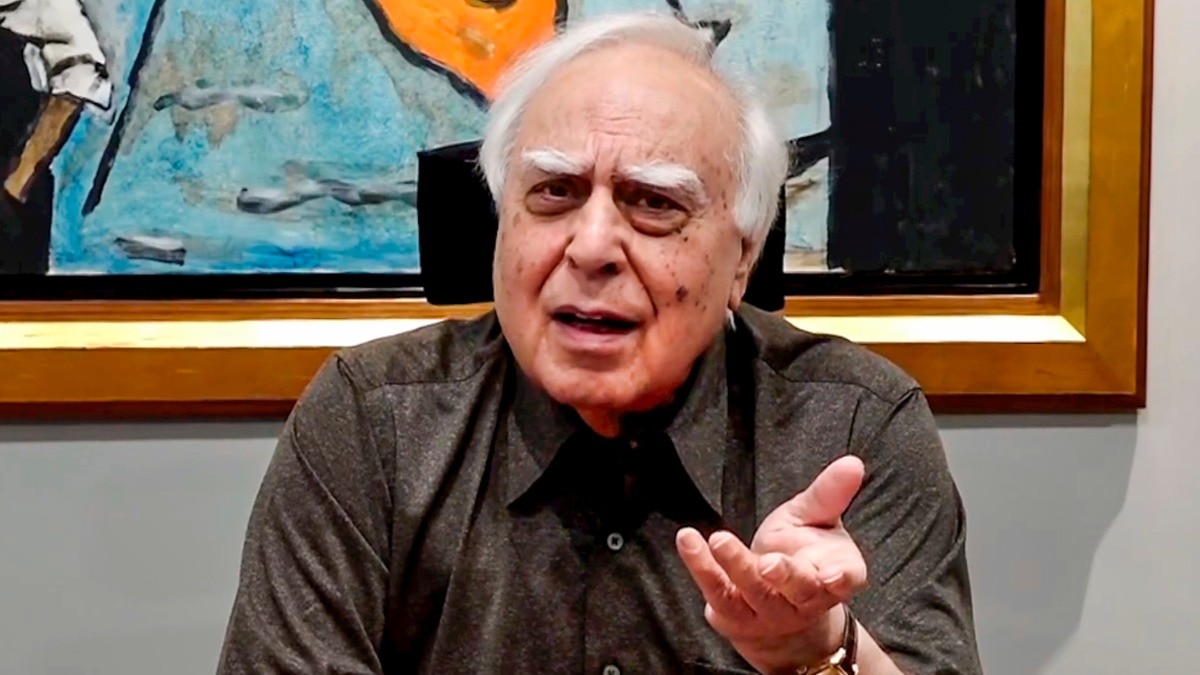
In a bold move, Rajya Sabha MP Kapil Sibal referred to himself as a 'Dimagi Naxal' at an event in Kochi, taking aim at PM Modi's rhetoric while warning of a 'constitutional crisis' caused by horse-trading.
- Kapil Sibal reclaimed the term 'Dimagi Naxal' used by PM Modi to target ideological opponents.
- He described political horse-trading as a 'constitutional crisis' rather than a mere scandal.
- Sibal warned that manufactured majorities undermine the sanctity of the people's mandate.
In a high-profile address at an event in Kochi titled "Horse Trade and Democracy," Rajya Sabha MP Kapil Sibal delivered a scathing critique of the current political landscape. In a move that caught many off guard, Sibal described himself as a 'Dimagi Naxal'—a term frequently employed by Prime Minister Narendra Modi and the BJP to label those perceived as ideological sympathizers of Naxalism.
Sibal began his speech with a provocative confession: "I have to make a confession. I am a 'Dimagi Naxal'." This was a direct nod to PM Modi's previous warnings regarding "intellectual Naxals" who allegedly infiltrate the system to manipulate national policies. By adopting this label, Sibal effectively turned the government's own rhetoric against them.
The Crisis of Democracy: Horse-Trading Explained
The core of Sibal's speech focused on the phenomenon of 'horse-trading'—the practice of inducing elected officials to switch parties. He argued that this is not merely a passing political scandal but a profound "constitutional crisis." He asserted that such practices strike at the very heart of representative government and the integrity of the democratic vote.
Sibal provided a historical metaphor, noting that in ancient times, horse-traders were the tricksters. However, in modern politics, the "buyer" of representatives has become the ultimate trickster. He noted that this practice allows a "manufactured majority" to replace the majority chosen by the electorate through free and fair elections.
Why This Matters: BozokMedia Analysis
BozokMedia analysis shows that the discourse surrounding political defections and the use of polarizing labels like 'Naxal' is reaching a boiling point in Indian politics. Sibal's remarks highlight a growing tension between legislative ethics and the raw pursuit of power, where the mandate of the voter is increasingly being treated as a secondary concern to political math.
Horse-trading is an ugly phrase for an even uglier practice that erodes the basic structure of parliamentary democracy.
According to Sibal, the methods used to facilitate these shifts range from crude cash inducements and promises of ministerial posts to more sophisticated tactics like offering protection from investigations or masking defections under the respectable clothing of a "merger."
Frequently Asked Questions
1. What did Kapil Sibal mean by calling himself a 'Dimagi Naxal'?
He was using the term coined by PM Modi to highlight the political labeling used against critics of the current administration.
2. Why is horse-trading considered a constitutional crisis?
Because it allows a group to manufacture a majority that was not chosen by the voters, thereby overturning the democratic mandate.