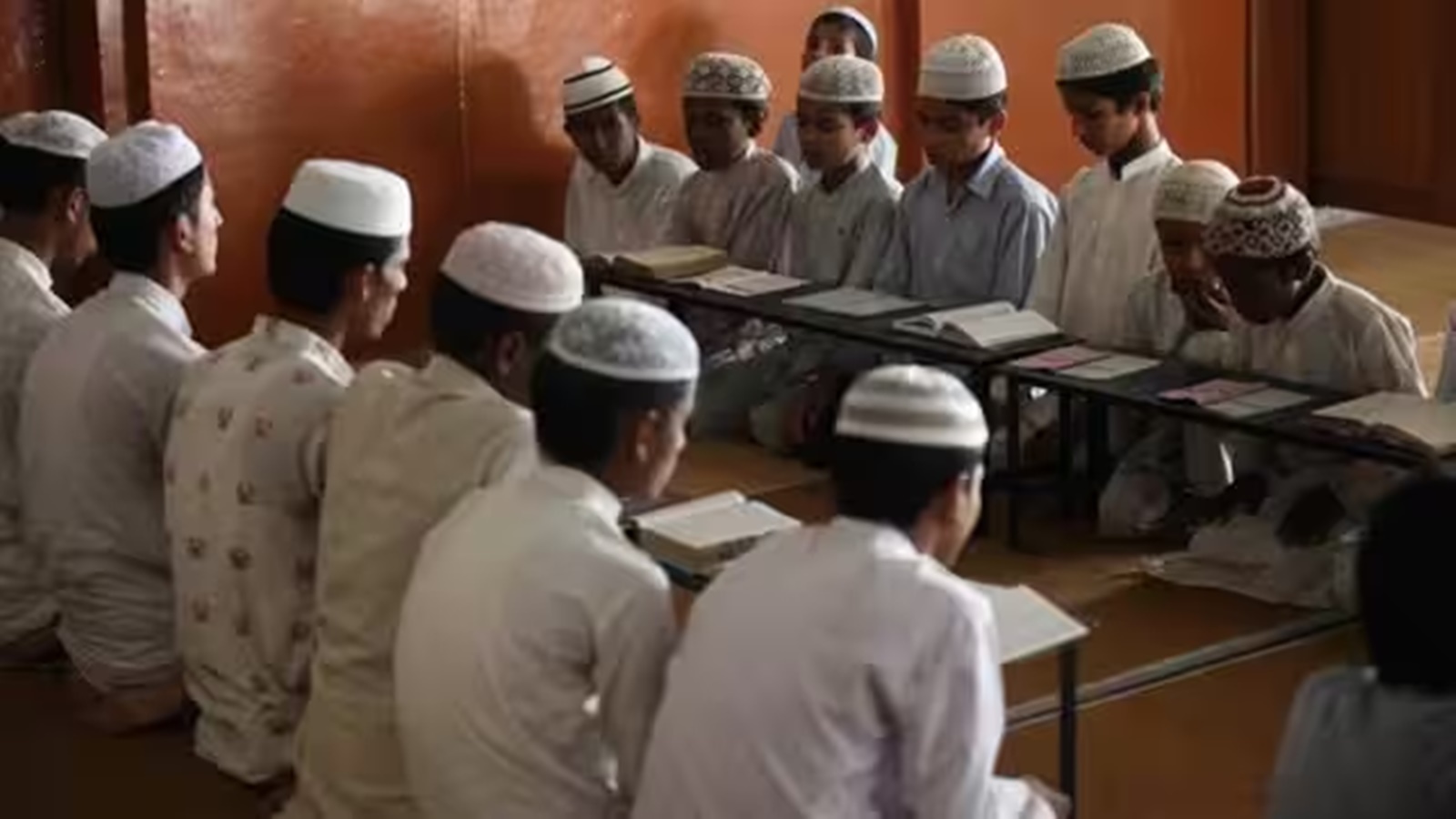
The West Bengal government has ordered the closure of 252 unauthorized madrasas following a massive state-wide survey. While the BJP hails the move as a step against anti-national activities, the TMC has slammed it as an attack on the education system.
- 252 madrasas in West Bengal have been ordered to close due to lack of proper authorization.
- Malda and Uttar Dinajpur districts recorded the highest number of unauthorized institutions.
- A state-wide survey revealed 2,396 madrasas are operating without government approval.
- The BJP claims the move targets 'anti-national' elements, while TMC calls it political targeting.
In a significant administrative crackdown, the new BJP-led government in West Bengal has ordered the closure of 252 madrasas across the state. This decision follows a comprehensive three-month-long survey aimed at identifying irregularities in religious educational institutions. Additionally, 100 other madrasas have been issued show-cause notices, pending further investigation.
The Survey Findings: A Deep Dive
The survey, conducted by the Minority Affairs and Madrasa Education Department, covered 22 districts, including parts of Kolkata. The data revealed a stark disparity in institutional legitimacy. While 2,132 madrasas are operating with valid government approval, a staggering 2,396 madrasas are functioning without any permission from government boards or authorized bodies.
According to official sources, the districts most affected by the closure orders are those bordering Bangladesh. Malda district tops the list with 45 closures, followed by Uttar Dinajpur with 37. Other districts like South 24 Parganas, Murshidabad, and Nadia also saw 25 closures each. Minority Affairs Minister Kshudiram Tudu stated that the government will take further action if the responses to the show-cause notices are found unsatisfactory.
Political Volatility and National Security
The move has ignited a fierce political debate. State BJP President Samik Bhattacharya argued that the crackdown was long overdue, referencing past failures of the Left Front government to monitor such institutions. BJP MLA and Minister Dilip Ghosh took a harder stance, alleging that certain madrasas have become breeding grounds for anti-national activities and terrorism.
Why This Matters
BozokMedia analysis shows that this development is not merely about educational regulation but is deeply intertwined with the discourse on national security and identity politics in border states. By targeting institutions in districts like Malda, the government is signaling a shift toward stringent oversight of cross-border influences, though it risks alienating minority voter bases.
The intersection of administrative compliance and national security narratives makes this one of the most sensitive policy shifts in West Bengal's recent history.
| District | Number of Closed Madrasas |
|---|---|
| Malda | 45 |
| Uttar Dinajpur | 37 |
| South 24 Parganas | 25 |
| Murshidabad | 25 |
| Nadia | 25 |
Frequently Asked Questions
1. Why did the West Bengal government order these closures?
The closures were ordered because the survey identified these institutions as operating without mandatory government permission or legal registration.
2. What is the TMC's reaction to this move?
TMC MLA Kunal Ghosh criticized the move, stating that the government should not paint all madrasas with the same brush and accused the BJP of creating a divisive narrative.