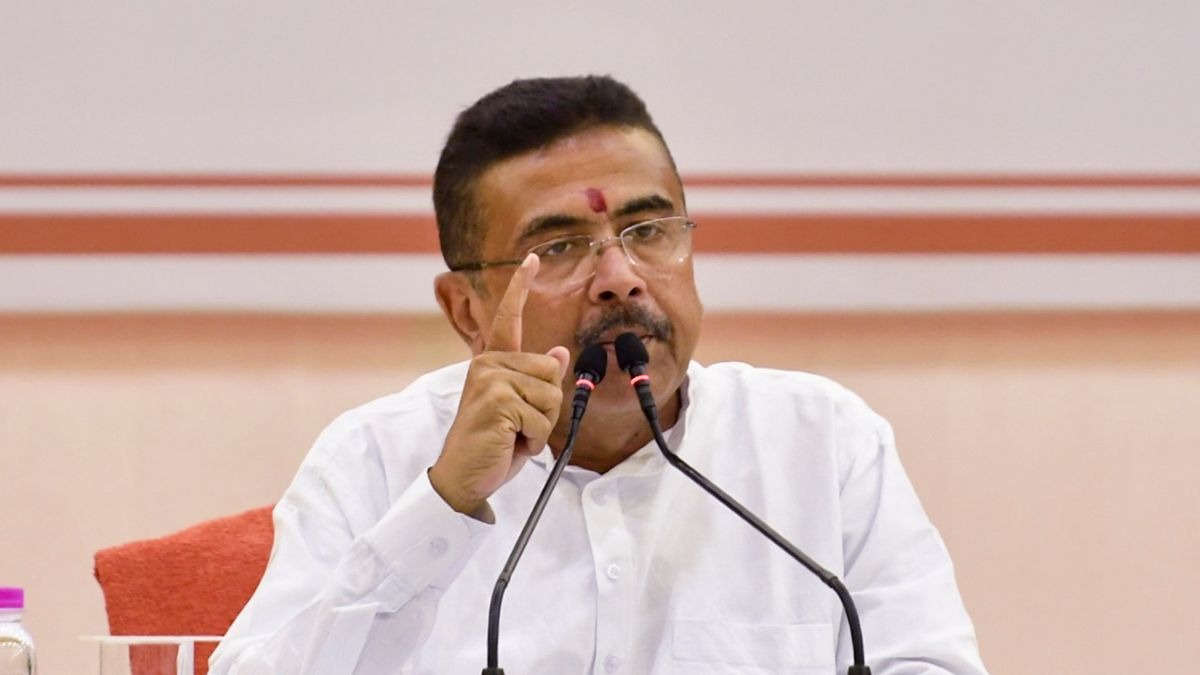
In a major administrative move, the West Bengal government has ordered the closure of 252 madrassas and issued notices to 100 others due to lack of legal approvals and poor infrastructure.
- 252 madrassas in West Bengal have been ordered to shut down immediately.
- Show-cause notices have been issued to approximately 100 other institutions.
- The crackdown follows a massive statewide survey conducted since June.
- The action targets institutions lacking government approval and basic infrastructure.
The West Bengal government has initiated a massive crackdown on unauthorized educational institutions, ordering the immediate closure of 252 madrassas across the state. This decision follows an extensive field-level survey conducted by the Minority Affairs and Madrasah Education Department to assess the legitimacy and infrastructure of both government and private institutions.
Minister for Minority Affairs and Madrasah Education, Kshudiram Tudu, stated that the survey was launched under the direct instructions of Chief Minister Suvendu Adhikari to distinguish between authorized and unauthorized seminaries. According to the minister, while 252 institutions failed to meet the mandatory criteria, another 100 have been served show-cause notices, pending a review of their responses.
Why This Matters
BozokMedia analysis shows that this move is part of a broader effort to standardize religious education and ensure that all institutions operating within the state adhere to strict safety and legal frameworks. It highlights the government's push for accountability in the management of minority-run educational facilities.
The regulation of educational institutions is a fundamental state responsibility to ensure student safety and legal compliance.
Adding to the intensity of the situation, State Panchayati Raj Minister Dilip Ghosh highlighted the security implications of unregulated institutions. He claimed that there have been instances where individuals involved in extremist activities were linked to certain seminaries. He emphasized that while legitimate institutions will continue to function, the government will not tolerate indiscriminate openings that could lead to law and order issues.
However, the move has met with political resistance. Trinamool Congress MLA Kunal Ghosh criticized the action, cautioning the administration against generalizing all madrassas based on the failings of a few. He argued that the government must avoid branding the entire community with a single brush.
Historical Background
The management of madrassas in West Bengal has long been a subject of administrative and political scrutiny. Over the years, various governments have attempted to integrate these institutions into the formal education framework, focusing on improving curricula and ensuring that they meet the physical infrastructure standards required for student safety.
Frequently Asked Questions
1. Why were these specific madrassas ordered to close?
They were found to be operating without the necessary government approvals and lacked basic physical infrastructure.
2. What happens to the madrassas that received notices?
They must provide an explanation to the department, which will then decide whether to allow them to continue or order their closure.
