A West Bengal government committee is evaluating proposals to rename prominent Kolkata landmarks, including roads currently named after communist icons Vladimir Lenin, Karl Marx, and Ho Chi Minh.
- A 10-member state panel is reviewing names of roads, bridges, and public places.
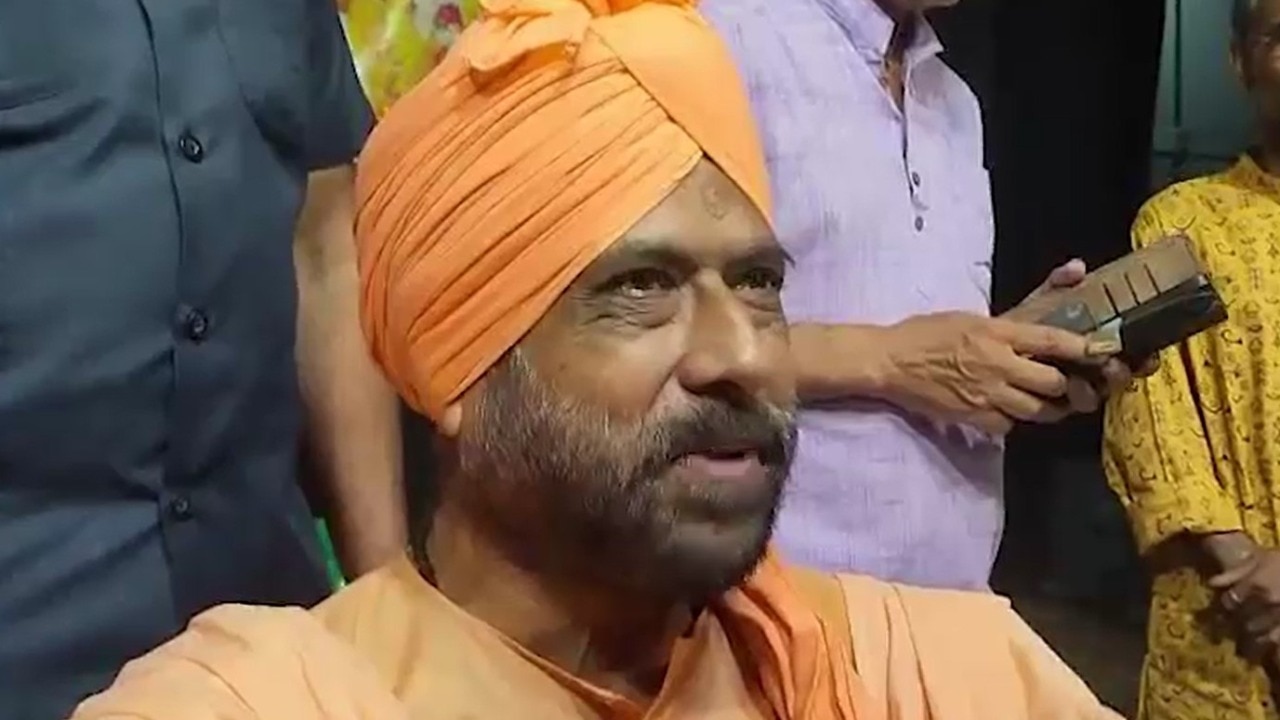
- The committee is headed by Padma Shri recipient Kartik Maharaj (Swami Pradiptananda).
- Major proposals include renaming Karl Marx Sarani and Lenin Sarani.
- Final recommendations will be submitted to the Kolkata Municipal Corporation (KMC) after Durga Puja.
KOLKATA: In a move that could significantly alter the urban and political landscape of West Bengal's capital, a government-appointed panel is examining proposals to rename several iconic roads and public spaces. The most notable among these are the prominent thoroughfares in Kolkata currently named after communist leaders Vladimir Lenin, Karl Marx, and Ho Chi Minh.
The Committee and Leadership
The 10-member committee is led by the renowned Swami Pradiptananda, popularly known as Kartik Maharaj of Bharat Sevashram. The panel includes high-profile members such as Chief Minister’s adviser Subrata Gupta and Kolkata Municipal Corporation Commissioner Smita Pandey. Senior committee member and former Meghalaya Governor Tathagata Roy stated that the committee is expected to convene its first formal meeting following the Durga Puja festivities in October.
Proposed Name Changes
The deliberations involve a variety of cultural and nationalist alternatives. Tathagata Roy has suggested that Karl Marx Sarani in the Kidderpore area could be renamed after renowned Bengali poets such as Michael Madhusudan Dutt or Rangalal Bandyopadhyay. Similarly, Lenin Sarani—formerly known as Dharmatala Street—has been proposed to be renamed after the mathematician and former Bharatiya Jana Sangh president Debaprasad Ghosh.
For Ho Chi Minh Sarani, the committee is considering the name of the legendary American civil rights leader Martin Luther King Jr. Additionally, Roy has advocated for renaming certain locations after 'nationalist Muslim' figures like Begum Rokeya or Qazi Abdul Wadud, and suggested that railway stations on the Tollygunge-Garia stretch be renamed after their actual localities to assist commuters.
Why This Matters
BozokMedia analysis shows that this renaming initiative is more than just a logistical update; it is a symbolic attempt to reshape the ideological identity of Kolkata. By moving away from communist nomenclature, the state administration appears to be pivoting toward a narrative rooted in regional cultural icons and nationalistic figures.
This renaming process reflects a profound shift in the socio-political fabric of West Bengal, transitioning from ideological landmarks to cultural heritage.
Historical Background
Kolkata has long been the epicenter of leftist politics in India. The presence of roads named after Marx and Lenin served as a constant reminder of the decades-long rule of the Left Front in the state. This proposal marks a significant departure from that era, aiming to re-center the city's identity around Bengali literary giants and national freedom fighters.
Frequently Asked Questions
1. When will the final decision be made?
No final decision has been taken yet. The panel will submit its recommendations after Durga Puja, which will then be sent to the KMC for final approval.
2. Who is leading the renaming committee?
The committee is headed by Swami Pradiptananda, also known as Kartik Maharaj.