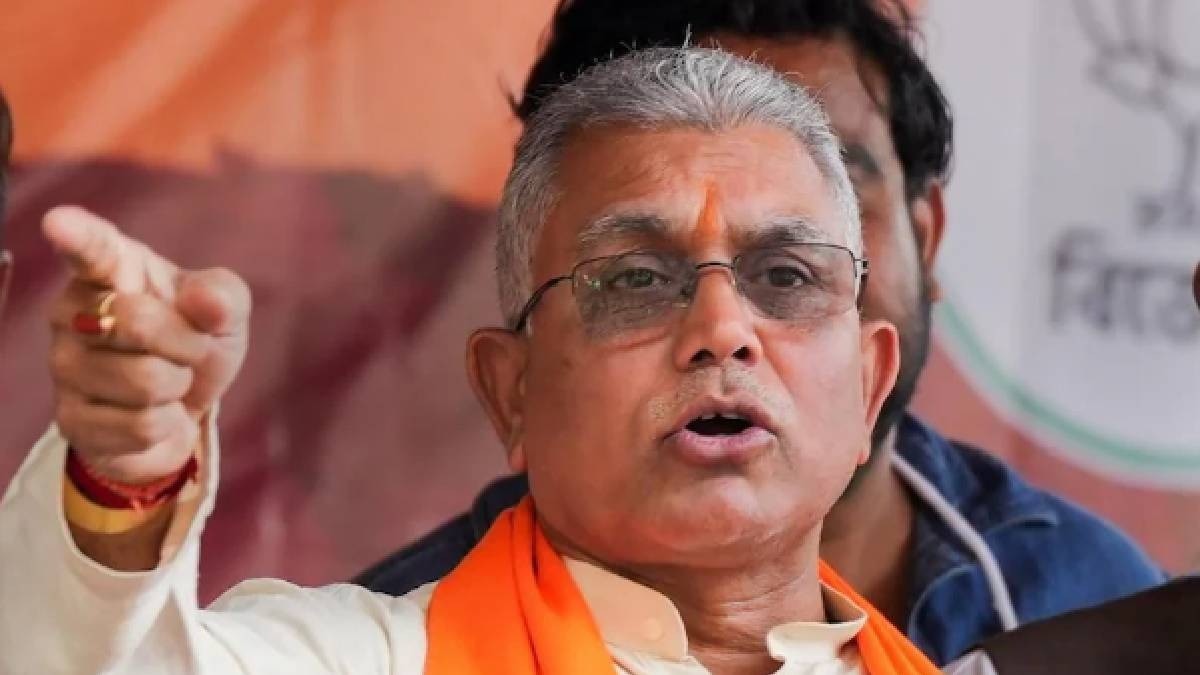
Following the closure notices for 252 madrasas in West Bengal, Minister Dilip Ghosh has raised serious allegations regarding their role in sheltering terrorists.
- West Bengal government issues closure notices to 252 madrasas.
- Minister Dilip Ghosh warns that illegal operations will not be tolerated.
- Allegations made regarding madrasas being used as shelters by infiltrators.
West Bengal's Minister of Panchayat and Rural Development, Dilip Ghosh, has made a significant statement amidst a state-wide review of Islamic educational institutions. He emphasized that the state government will strictly prohibit any madrasa from operating without valid government authorization.
Speaking to the press, Ghosh stated, “Anything illegal will not be tolerated. Operations cannot continue where government permission has not been granted. If they wish to operate, they must obtain permission from the government. Only those with valid permission will be allowed to function.” This follows the government's decision to issue closure notices to 252 madrasas across the state.
Why This Matters
BozokMedia analysis shows that this move marks a decisive shift toward stricter regulation of religious educational institutions in West Bengal. The intersection of educational oversight and national security is becoming a central theme in the state's political discourse, potentially leading to prolonged legal and social scrutiny.
The regulation of unverified educational institutions is a critical component of regional security management.
Ghosh further claimed that concerns regarding the functioning of these institutions have persisted for over two decades. In a more controversial remark, he alleged that terrorists entering from Bangladesh have utilized certain madrasas as safe havens. However, it is important to note that these allegations were made without specific evidentiary details and would require thorough verification by law enforcement agencies.
Historical Background
The regulation of madrasas in West Bengal has long been a contentious issue involving debates over curriculum standardization, government funding, and security protocols. While various administrations have attempted to implement oversight, the balance between religious freedom and state regulation remains a complex challenge.
Frequently Asked Questions
Question 1: Why were the 252 madrasas targeted?
Answer: They were issued closure notices as part of a government review of their status and legal permissions.
Question 2: What was the response from other leaders?
Answer: While Ghosh raised security concerns, other leaders like Suvendu Adhikari have focused on the state's infrastructure and development progress.