AIMIM chief Asaduddin Owaisi has vehemently opposed Home Minister Amit Shah's plan to implement the Uniform Civil Code in 21 states by 2029, alleging it violates constitutional rights and targets minorities.
- Owaisi alleged UCC violates Articles 25 and 14 of the Indian Constitution.
- He claimed the move is an attempt to impose Hindu laws on non-Hindu communities.
- The AIMIM chief criticized the government's stance on NRC, Madrassa closures, and India-China ties.
- He questioned the necessity of UCC, citing the Law Commission's previous stance.
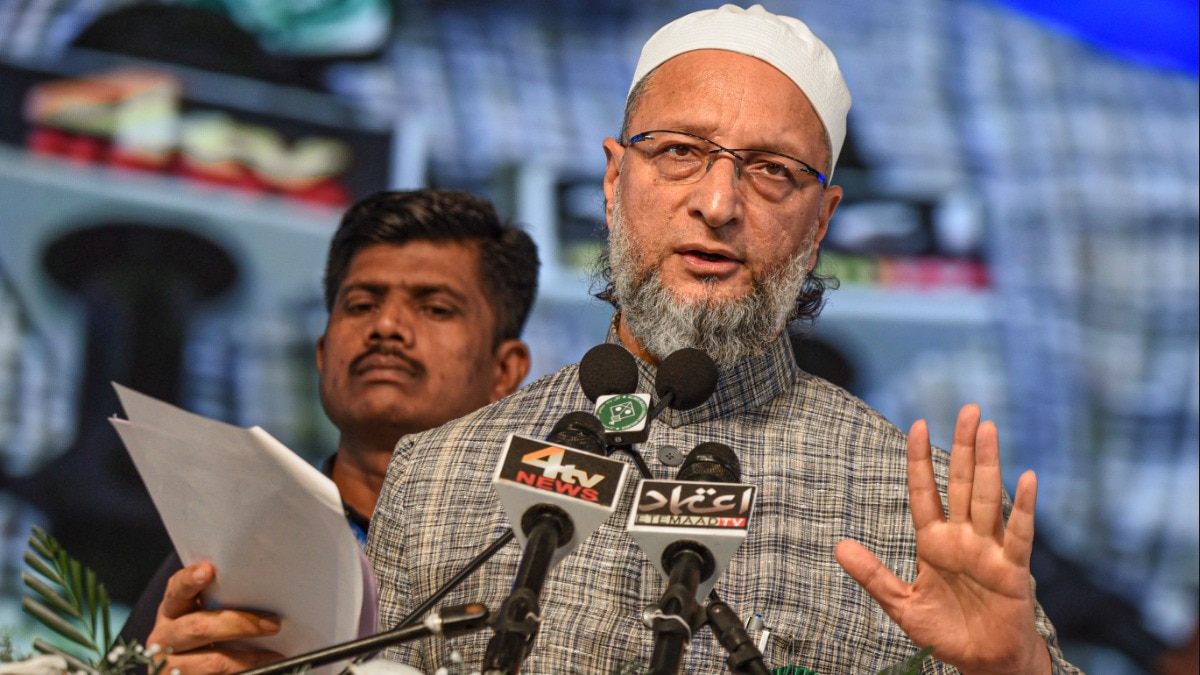
In a sharp political escalation, AIMIM president Asaduddin Owaisi has hit out at Union Home Minister Amit Shah regarding the proposed implementation of the Uniform Civil Code (UCC). Responding to Shah's assertion that NDA-led governments in 21 states would introduce the UCC before 2029, Owaisi alleged that the move is not driven by a desire for equality but is a calculated attempt to target the Muslim community.
Speaking to reporters in Hyderabad, Owaisi argued that the push for UCC is in direct violation of Article 25, which guarantees freedom of religion, and Article 14, which ensures equality before the law. He contended that the essence of India lies in its pluralism and warned that a UCC would effectively amount to imposing Hindu personal laws on all citizens, regardless of their faith.
Why This Matters
BozokMedia analysis shows that the implementation of a Uniform Civil Code remains one of the most polarizing issues in Indian politics. As the government moves toward a deadline of 2029, the debate shifts from legal uniformity to the potential erosion of minority religious identities and constitutional protections.
'BJP is not doing this for equality. This is only to target Muslims.' - Asaduddin Owaisi
Owaisi did not stop at the UCC. He launched a multi-pronged attack on the central government, questioning the National Register of Citizens (NRC) and the Special Intensive Revision (SIR) of electoral rolls. He described the SIR as a 'nasty joke,' suggesting that the government is forcing ordinary citizens, many of whom rely on state rations, to stand in long queues to prove their identity—a move he believes is a precursor to a nationwide NRC.
The AIMIM leader also touched upon foreign policy and national security. He questioned the recent improvements in India-China relations observed during the BRICS summit, asking if better ties meant India had compromised its patrolling rights along the border. He further alleged that China had supplied weapons to Pakistan during 'Operation Sindoor' and questioned the government's perceived hesitation regarding global powers like the US and China.
Furthermore, Owaisi addressed the closure of 252 madrassas in West Bengal, labeling it a violation of Article 30, which protects the rights of minorities to establish and administer educational institutions. He also took a dig at the government's stance on cultural mandates, such as the full rendition of Vande Mataram, questioning if such requirements infringe upon religious freedoms.
Frequently Asked Questions
1. What is the core allegation made by Owaisi regarding the UCC?
Owaisi alleges that the UCC is being used as a tool to target Muslims and impose majority Hindu laws on minorities rather than promoting true equality.
2. Which constitutional articles did Owaisi mention in his protest?
He specifically cited Article 25 (Freedom of Religion) and Article 14 (Right to Equality) as being threatened by the UCC.