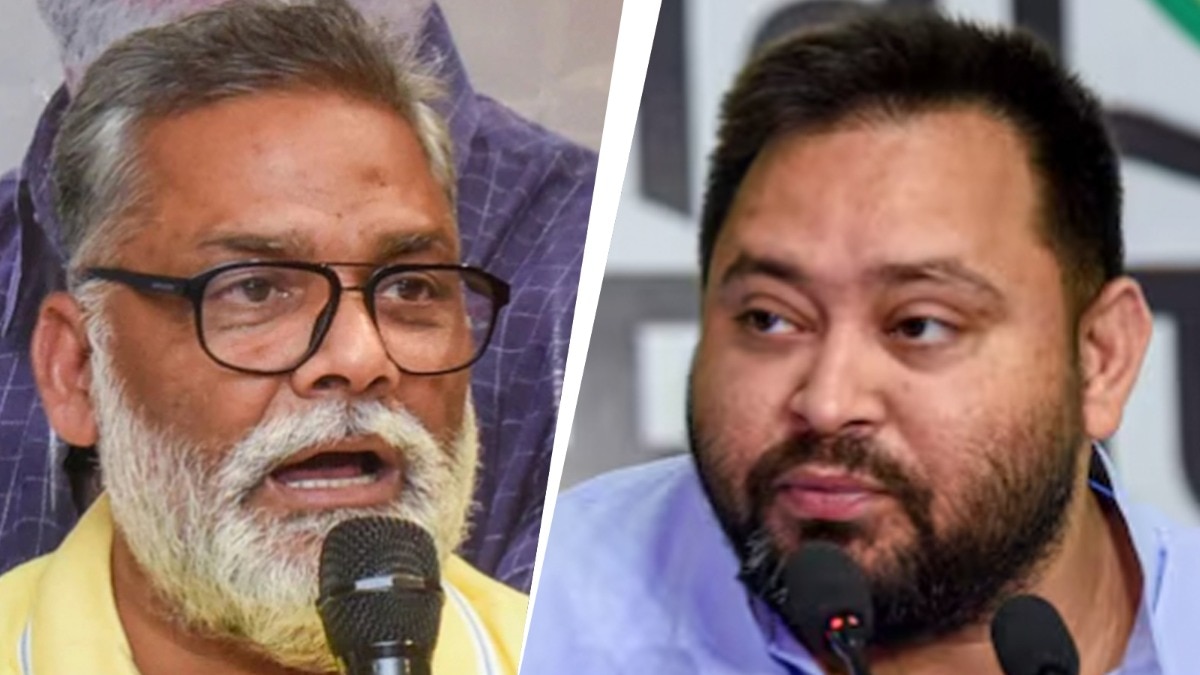
Tensions are rising within the NDA over the Uniform Civil Code (UCC). Following JDU's demand for discussions with the Home Minister, Chirag Paswan has also clarified his position on the matter.
- JDU has requested an urgent meeting with the Home Minister regarding UCC.
- Chirag Paswan has officially clarified his stance on the Uniform Civil Code.
- Internal friction within the NDA is emerging over the implementation of UCC.
The implementation of the Uniform Civil Code (UCC) has sparked significant debate within the ruling National Democratic Alliance (NDA). Following recent announcements by Home Minister Amit Shah, the Janata Dal (United) [JDU] has expressed strong reservations, insisting that the code should not be implemented without extensive dialogue and consensus among all stakeholders. The JDU has formally requested an audience with the Home Minister to discuss these concerns.
Adding to the political complexity, Chirag Paswan, a key ally within the NDA, has also come forward to clarify his position. His statement has intensified the discourse, signaling that the issue of UCC is a sensitive point of contention that requires internal reconciliation within the alliance. Analysts suggest that the UCC might become a pivotal factor in the political landscape leading up to the 2029 elections.
Why This Matters
BozokMedia analysis shows that the UCC is not merely a legal reform but a deeply sensitive socio-political issue that touches upon the religious and cultural fabric of India. Any lack of internal consensus within the NDA could potentially weaken the coalition's unity and influence its future electoral strategies.
The UCC debate is a delicate balancing act between legal uniformity and religious pluralism in a diverse democracy.
The opposition has also seized this opportunity to challenge the government. Leaders like Asaduddin Owaisi have questioned the social implications of the move. The core of the debate lies in whether a blanket code can effectively address the diverse personal laws currently governing different communities in India.
Historical Background
The concept of a Uniform Civil Code is rooted in Article 44 of the Indian Constitution, which directs the State to endeavor to secure a UCC for all citizens. However, the transition from a directive principle to a practical law has been fraught with political and social challenges for decades.
Frequently Asked Questions
1. Why is JDU opposing the UCC?
JDU demands a thorough discussion with all parties involved before any implementation occurs.
2. How has Chirag Paswan reacted to the UCC?
Chirag Paswan has clarified his stance, adding a new dimension to the ongoing debate within the NDA.