Tensions are rising within the NDA following Home Minister Amit Shah's announcement to implement the Uniform Civil Code (UCC) in 21 states by 2029. JDU has called for extensive discussions before any such move.
- Home Minister Amit Shah aims to implement UCC in all 21 NDA-ruled states before 2029.
- JDU expresses concerns over the potential implementation without widespread consultation.
- JDU Executive National President Sanjay Jha has requested a meeting with Amit Shah.
- The party emphasizes that UCC must not hurt the sentiments of any religious community.
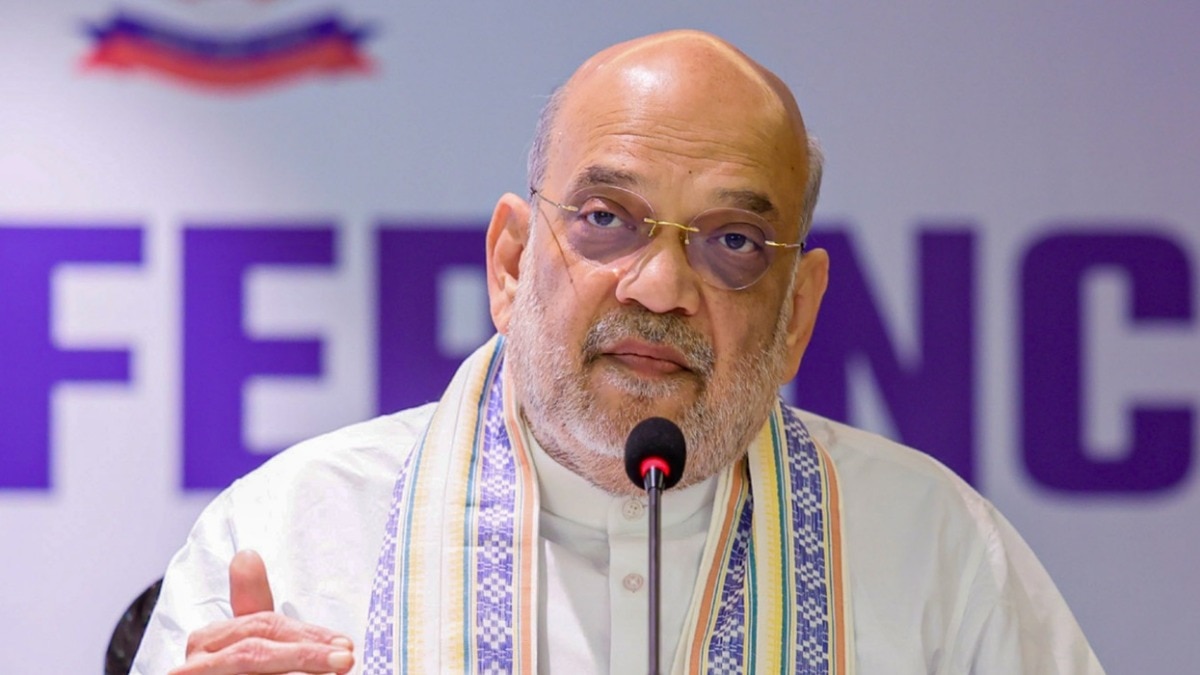
The political atmosphere within the National Democratic Alliance (NDA) has intensified following Union Home Minister Amit Shah's ambitious declaration regarding the Uniform Civil Code (UCC). During a recent press conference, Shah stated that the goal is to implement the UCC across all 21 NDA-governed states before the 2029 elections. This statement has triggered a wave of concern among alliance partners, most notably the Janata Dal (United).
Sanjay Jha, the Executive National President of JDU, has formally sought an audience with the Home Minister to discuss the party's apprehensions. While the JDU maintains that it is not inherently opposed to the concept of a Uniform Civil Code, it strongly opposes any attempt to impose it without exhaustive deliberations with all stakeholders, including religious minorities and state governments.
Why This Matters
BozokMedia analysis shows that the UCC is not merely a legislative reform but a profound socio-political issue that touches upon the core identities of India's diverse population. For the NDA, maintaining cohesion while pushing a flagship ideological agenda is a delicate balancing act. Any friction with key allies like JDU could impact the alliance's stability in crucial states like Bihar.
Implementing a law as transformative as the UCC requires not just political will, but a broad social consensus to ensure long-term stability.
Adding to the discourse, JDU leader Neeraj Kumar reiterated the party's long-standing position. He referenced a letter written by former Chief Minister Nitish Kumar to the Law Commission, which serves as the party's guiding principle: any legal reform must ensure that the rights and sentiments of all communities are protected. He invoked the legacy of Dr. B.R. Ambedkar, noting that the constitution was designed to safeguard the rights of every citizen.
The internal friction was further highlighted by recent statements from JDU General Secretary Shyam Rajak, who had indicated that UCC would not be permitted in Bihar under any circumstances. This recent escalation makes the upcoming meeting between Sanjay Jha and Amit Shah critical for the roadmap of the NDA.
Historical Background: The debate over a Uniform Civil Code is rooted in Article 44 of the Indian Constitution, which directs the State to endeavor to secure a UCC for its citizens. While Uttarakhand has already successfully implemented its version of the UCC, the national implementation remains one of the most debated topics in Indian jurisprudence.
Frequently Asked Questions
1. What was Amit Shah's major announcement regarding UCC?
Amit Shah announced that the UCC will be implemented in all 21 states governed by the NDA before the year 2029.
2. What is the JDU's primary concern regarding the UCC?
The JDU's concern is that the UCC should not be implemented hastily without extensive discussions with all religious communities and stakeholders.