The Bharatiya Janata Party has announced a 2029 deadline to implement a Uniform Civil Code in all NDA‑ruled states, sparking both support and opposition within the coalition. The move comes as Rajasthan’s civic polls reshape political calculations.
- BJP sets a 2029 deadline for UCC rollout across NDA states
- TDP, Shiv Sena and Hindustani Awam Morcha back the initiative
- JD(U) opposes in Bihar; LJP’s Chirag Paswan calls for wider consultations
The Bharatiya Janata Party has earmarked 2029 as the target year to introduce a Uniform Civil Code (UCC) in every state governed by the party or its National Democratic Alliance (NDA) partners. Positioned as a flagship ideological goal after the abrogation of Article 370, the proposed code seeks common laws on marriage, divorce, inheritance and succession across all religions.
Support within the alliance is evident: the Telugu Desam Party (TDP), Shiv Sena and Hindustani Awam Morcha have publicly welcomed the proposal, arguing that a single legal framework will reduce communal friction and streamline judicial processes.
Conversely, the Janata Dal (United) in Bihar has voiced strong opposition, warning that a blanket code could disrupt the state’s unique social fabric. Lok Janshakti Party leader Chirag Paswan has demanded extensive public consultations before any decision is taken, emphasizing the need for democratic deliberation.
Historical Background: The idea of a Uniform Civil Code dates back to the Constituent Assembly debates of the early 1950s, yet successive governments have struggled to translate it into law. Recent years have seen renewed pressure as several states amended personal laws, but a nationwide code remains elusive.
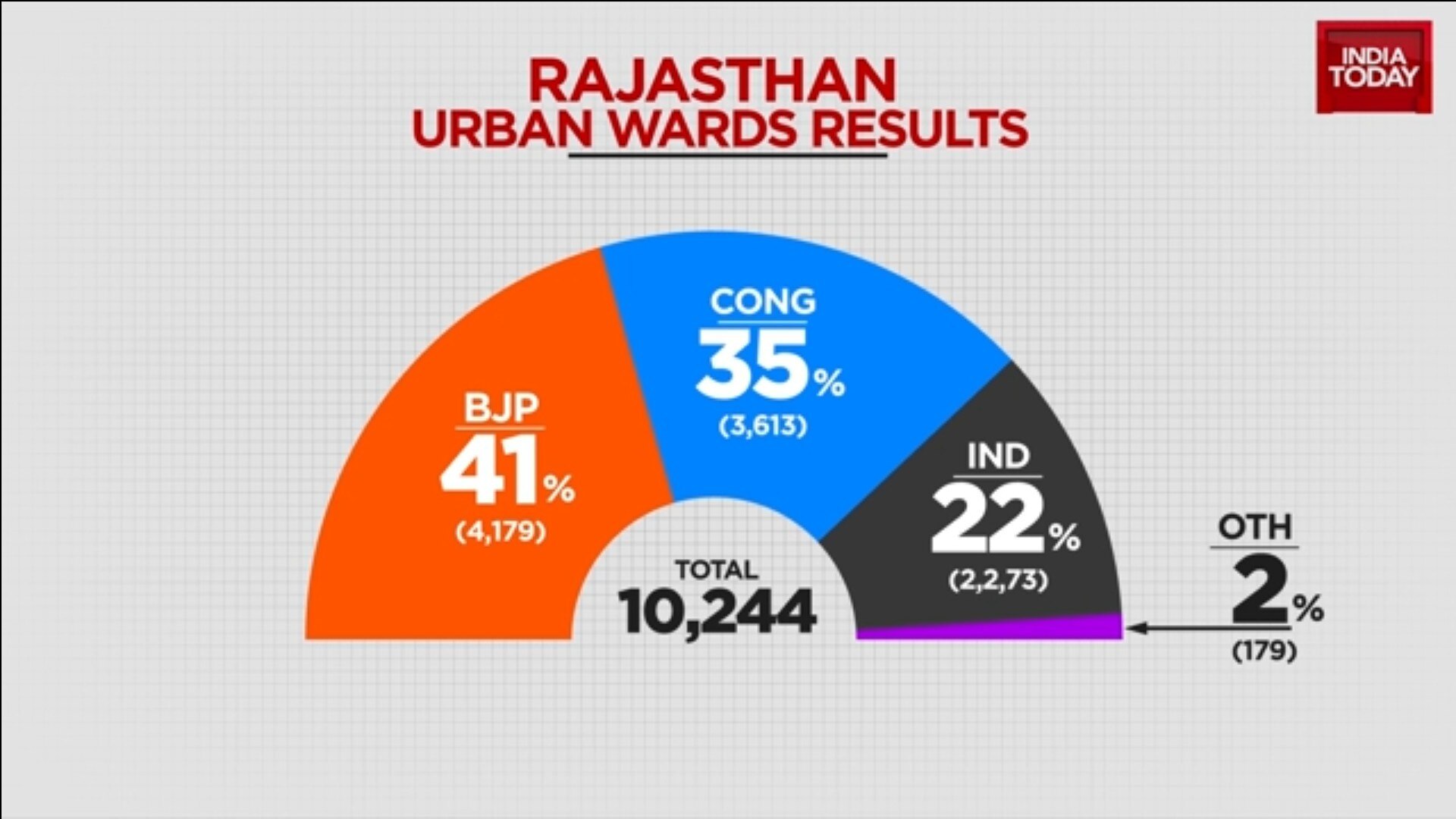
Meanwhile, the recent Rajasthan civic polls saw the BJP emerge as the single largest party, with the Congress retaining a solid base and independents making notable gains. These results have heightened the political stakes of the UCC announcement, as parties seek to solidify their ideological narratives ahead of upcoming state elections.
Why This Matters
BozokMedia analysis shows that the implementation of a UCC could fundamentally reshape how India manages its religious diversity, potentially influencing both social cohesion and political alignments in the years to come.
"The UCC will not only overhaul legal procedures but also redefine the cultural contract that binds India’s plural society," says constitutional scholar Dr. Ajay Singh.
Frequently Asked Questions
Q: Will the UCC be implemented uniformly across all NDA‑ruled states?
A: While the BJP aims for a 2029 rollout, state‑level legal and social challenges could lead to staggered implementation.
Q: How are opposition parties reacting to the UCC plan?
A: Critics, including the Congress and regional allies, have raised concerns about the code’s impact on personal freedoms and are calling for broader public debate.