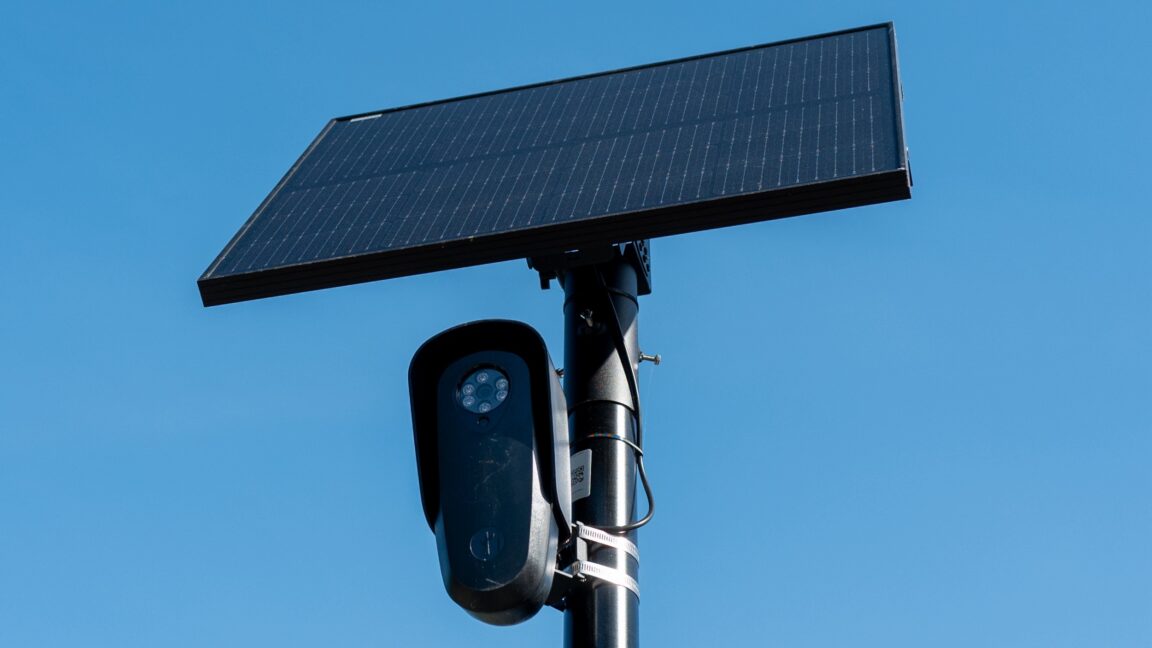
The City of Boston has abandoned its use of Flock Safety's ALPR cameras following revelations that the company shared local data nationwide in violation of their contract.
- Boston administration has officially ceased using Flock Safety license plate readers.
- The decision follows a breach of contract regarding nationwide data sharing.
- The violation occurred during a pilot program involving 45 ALPR cameras.
The Boston city government has officially abandoned its partnership with Flock Safety, a provider of Automated License Plate Reader (ALPR) technology. According to city officials, the decision stems from the company sharing data on a nationwide scale, directly violating specific provisions within their contractual agreement.
During a recent segment of GBH News' "Ask the Mayor," Boston Mayor Michelle Wu confirmed the termination, stating, "We have actually abandoned Flock." This announcement preceded the release of Boston's comprehensive annual surveillance technology report, which detailed the nature of the breach.
The Scope of the Violation
The annual report, covering the 2025 surveillance period, identifies the incident as a "vendor error." Despite contract stipulations requiring data to be restricted to local use, Flock enabled a "nationwide lookup" capability. This allowed data collected in Boston to be accessible outside the intended jurisdiction.
The report further clarifies that the Boston Police Department had deployed approximately 45 ALPR cameras as part of a pilot program running from April to September of last year. The unauthorized data sharing was traced back to the very initial days of this trial period.
Why This Matters
BozokMedia analysis shows that this incident highlights the significant risks inherent in outsourcing public surveillance to private entities. When data governance fails, it doesn't just violate a contract; it undermines the fundamental trust between citizens and their government regarding the handling of sensitive movements and information.
The intersection of public safety technology and private data management requires absolute transparency to prevent systemic privacy erosion.
As cities across the globe increasingly turn to AI-driven surveillance, the Boston case serves as a critical warning. The failure to maintain strict data silos can turn a local safety tool into a massive, unauthorized national database.
Frequently Asked Questions
1. What was the specific breach committed by Flock Safety?
Flock Safety enabled nationwide data lookups, which violated the contract requiring data to remain localized.
2. How many cameras were involved in the Boston pilot?
The Boston Police Department had deployed approximately 45 ALPR cameras during the trial period.