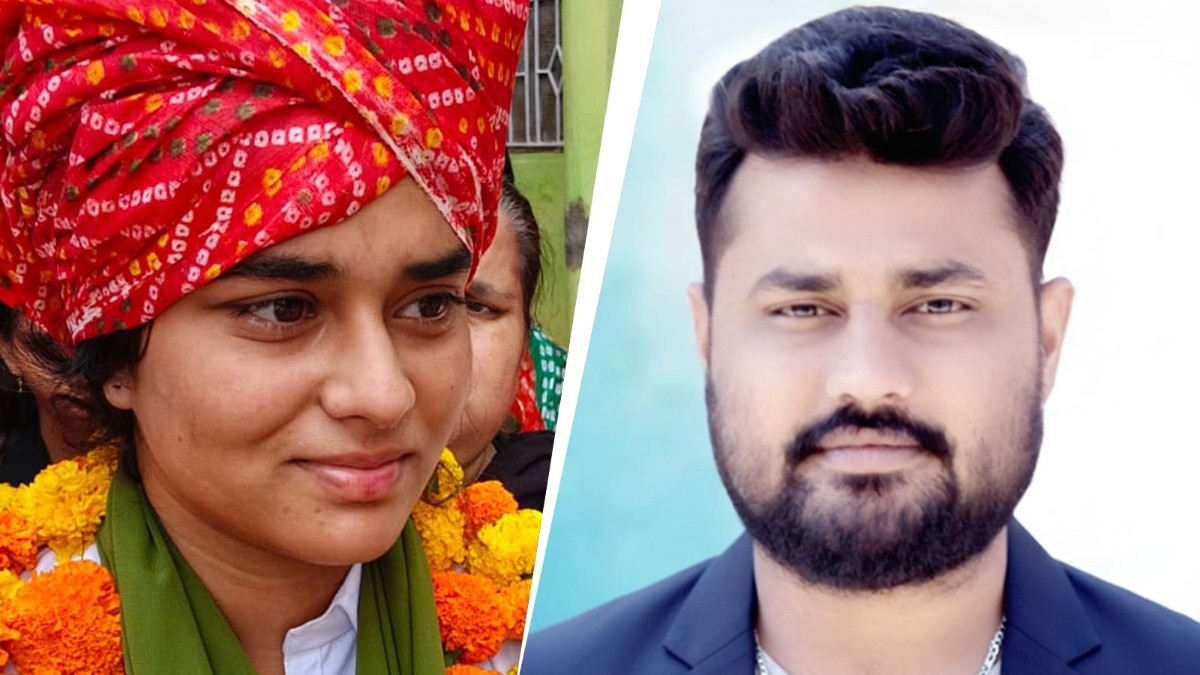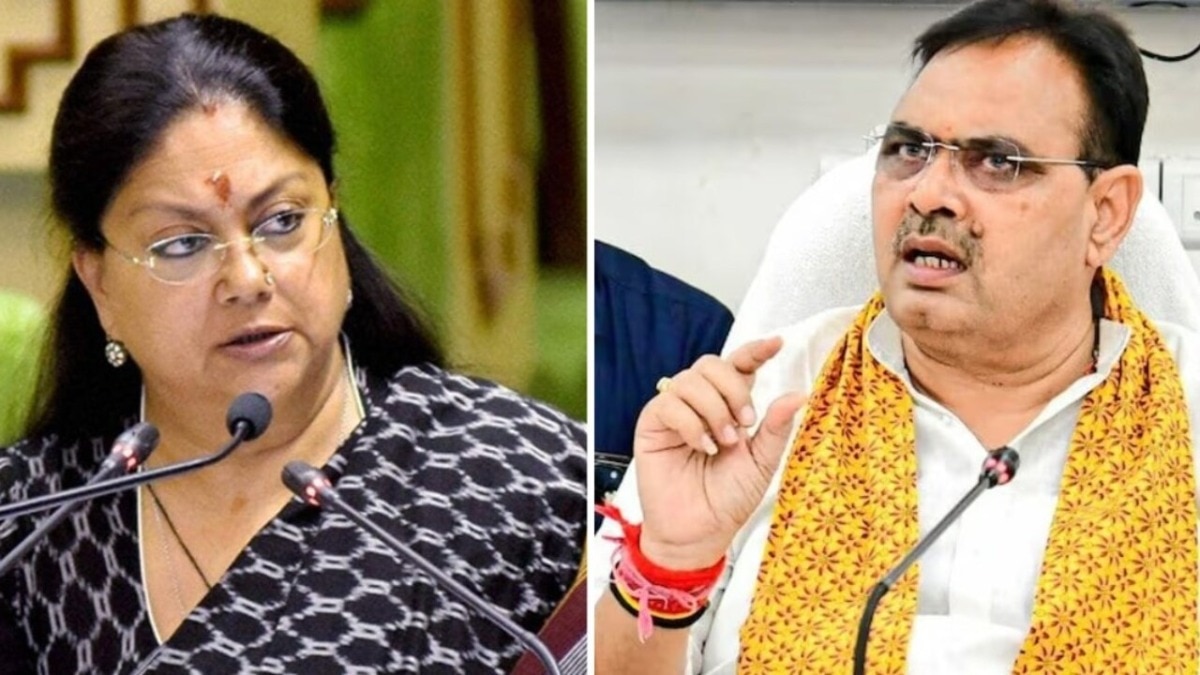
The recent civic election results in Rajasthan have dealt a massive blow to the BJP's heavyweights, including CM Bhajanlal Sharma and former CM Vasundhara Raje. The party struggled to maintain dominance in key urban centers.
- CM Bhajanlal Sharma's home district, Bharatpur, saw BJP shrink to just 20 seats, while independents dominated with 36 seats.
- Congress secured a clear majority in Jhalawar, a traditional stronghold of former CM Vasundhara Raje.
- In major corporations like Jodhpur and Alwar, BJP failed to secure a decisive mandate.
- The rise of independent candidates has shifted the balance of power in several municipal councils.
The results of the Rajasthan civic elections have sent shockwaves through the political corridors of the state. While the BJP leadership had projected an image of absolute dominance, the actual voting patterns revealed a significant disconnect between the party's high-profile leaders and the urban electorate.
In Bharatpur, the home turf of Chief Minister Bhajanlal Sharma, the BJP's performance was underwhelming. Out of 65 wards in the Bharatpur Municipal Corporation, the BJP managed only 20 seats, while independent candidates swept 36 seats, effectively dictating the local political landscape.
Why This Matters
BozokMedia analysis shows that these results indicate a growing disconnect between the BJP's central leadership and the grassroots voters in Rajasthan. The surge of independent candidates suggests that local issues and individual candidate credibility are outweighing party symbols in urban local bodies.
The Rajasthan civic poll results serve as a stark reminder that political clout alone cannot guarantee electoral success in a changing demographic landscape.
One of the most significant blows occurred in Jhalawar, a region long associated with the influence of former Chief Minister Vasundhara Raje. In the Jhalawar Municipal Council, Congress secured a commanding majority by winning 29 out of 45 seats, pushing the BJP out of power in the area.
Similarly, in Bikaner, the BJP saw its strength diminish to 27 seats in the 80-ward Municipal Corporation, while Congress achieved a clear majority with 42 seats. This loss in a key northern region highlights the party's struggle to maintain its footing in urban centers.
The battle in Jodhpur and Alwar was equally intense. In Jodhpur, the BJP and Congress were neck-and-neck, each securing 44 seats, with 11 seats going to independents. In Alwar, the constituency of Union Minister Bhupendra Yadav, the BJP managed 28 seats against Congress's 23, but the presence of strong independent candidates prevented a landslide victory.
| City/Corporation | BJP Seats | Congress Seats | Independents/Others |
|---|---|---|---|
| Bharatpur | 20 | 7 | 36 |
| Jhalawar | - | 29 | - |
| Bikaner | 27 | 42 | - |
| Jodhpur | 44 | 44 | 11 |
Even in the district of State President Madan Rathore, Pali, the BJP failed to secure a majority. Out of 65 wards, Congress won 29, while BJP secured 21, leaving the formation of the board dependent on independent candidates.
Frequently Asked Questions
Q1: Which party performed best in the Rajasthan civic polls?
A1: While the BJP and Congress had strong showings in different pockets, independent candidates emerged as a massive force, winning a significant number of seats.
Q2: How did Vasundhara Raje's influence impact the results?
A2: Despite her significant political influence, the BJP suffered a major setback in Jhalawar, which is considered her stronghold.