A visible shift in the Aam Aadmi Party's (AAP) approach in Punjab has emerged, as ministers move from strict warnings to active dialogue with protesting farmers and employees.
- AAP ministers are opting for dialogue over force and barricading.
- Protesters are demanding the restoration of the Old Pension Scheme (OPS) and pending DA arrears.
- Farmers (BKU Ugrahan) are also experiencing a more lenient approach from the administration.
- Analysts suggest this shift is a response to growing anti-incumbency ahead of elections.
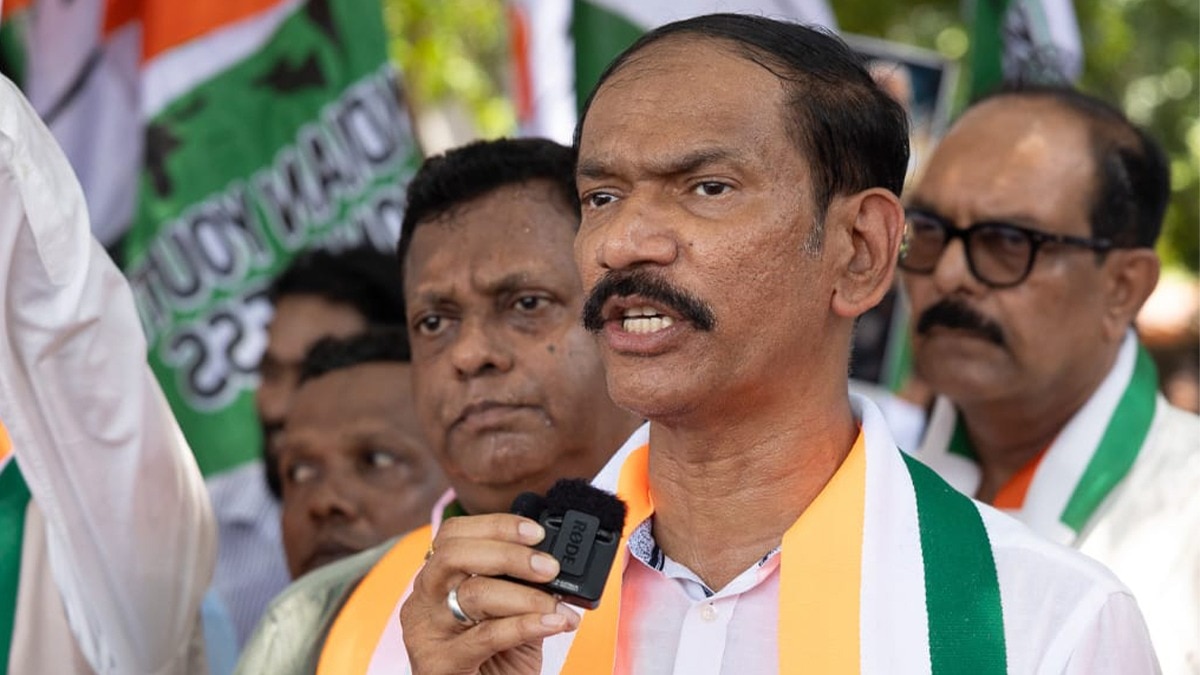
The political landscape in Punjab is witnessing a significant tactical shift. The Aam Aadmi Party (AAP) government, which had previously maintained a hardline stance against various protest groups, appears to be pivoting toward a more conciliatory approach. Recent interactions involving Cabinet Minister Aman Arora and Deputy Speaker Jai Krishan Singh Rouri suggest a departure from the previous 'force-first' policy.
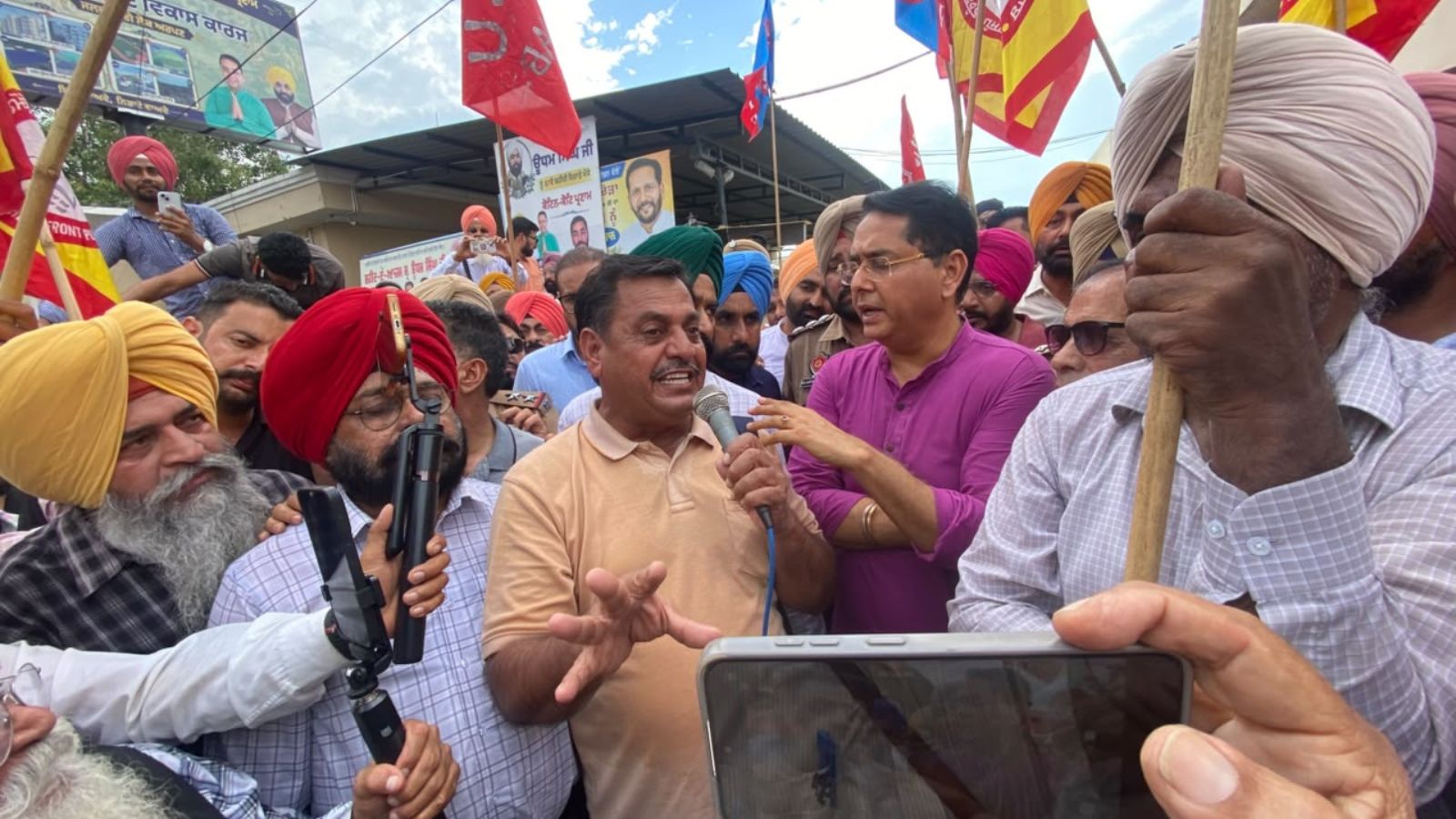
On September 13, a major incident occurred at the residence of Aman Arora in Sunam. Hundreds of employees under the Sanjha Mulazam and Pensioners Front arrived to voice their grievances. In a move that surprised many, Arora explicitly instructed police officers not to use water cannons or set up barricades, stating, "They are all my brothers." This direct engagement led to a detailed discussion and the subsequent calling off of the protest.
Why This Matters
BozokMedia analysis shows that this sudden pivot is likely a response to the mounting pressure from both employee unions and farmer organizations. As the government faces criticism over law-and-order and administrative decisions, softening its image through direct dialogue serves as a strategic tool to mitigate public anger and prevent large-scale unrest during upcoming election cycles.
"The sudden politeness of AAP ministers suggests that the party is sensing the shifting public mood and potential anti-incumbency in the state."
This trend is not limited to government employees. On September 12, members of the Bharatiya Kisan Union (BKU) Ugrahan staged a protest outside Agriculture Minister Gurmeet Singh Khuddian's residence. Unlike previous instances where protesters faced detention, they were permitted to stage a peaceful dharna, with the Minister engaging via telephone to assure them of future dialogue.
Historical Background: The tension between the Punjab government and its employees has been escalating for months. In August 2024, the government had issued show-cause notices to striking employees and enforced a strict "no work, no pay" policy. The core of the dispute remains the restoration of the Old Pension Scheme (OPS), a long-standing demand that carries significant fiscal implications for the state.
| Aspect | Previous Stance (August 2024) | Current Stance (September 2024) |
|---|---|---|
| Method of Control | Barricades, Water Cannons, Force | Direct Dialogue, Open Doors |
| Administrative Action | Show-cause notices & 'No Work, No Pay' | Personal meetings & Assurances |
| Protester Treatment | Strict restrictions and detentions | Allowing tents and peaceful gatherings |
Frequently Asked Questions
Question 1: What are the primary demands of the Punjab employees?
Answer: They are primarily demanding the restoration of the Old Pension Scheme (OPS) and the payment of pending dearness allowance (DA) arrears.
Question 2: Why is the government changing its approach now?
Answer: Political analysts believe the change is driven by the need to manage public sentiment and counter anti-incumbency before elections.