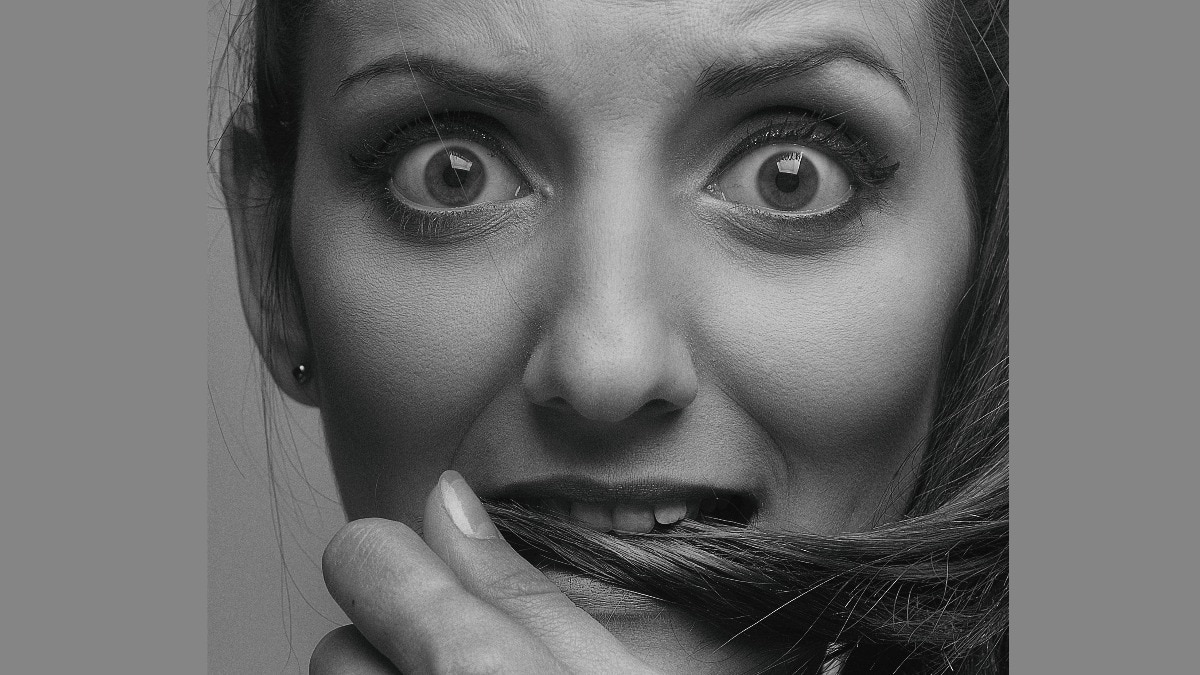
New psychological insights reveal that laughter during moments of high anxiety is often a coping mechanism rather than a sign of genuine enjoyment.
- Nervous laughter serves as a psychological defense mechanism.
- It is a physiological response to manage intense stress or anxiety.
- It is frequently misinterpreted as amusement or lack of seriousness.
In the complex landscape of human psychology, laughter is often viewed as a universal sign of joy. However, recent psychological observations suggest a much more nuanced reality. When individuals experience high-stress situations, they may exhibit laughter that has absolutely nothing to do with being amused or happy.
The Mechanics of Nervous Laughter
Psychologists explain that this phenomenon, often termed 'nervous laughter,' is a subconscious response to internal tension. When the brain is overwhelmed by anxiety or social pressure, it may trigger laughter as a way to discharge pent-up emotional energy. This is not a choice, but rather an involuntary biological reaction to cognitive dissonance.
Why This Matters
BozokMedia analysis shows that misinterpreting these social cues can lead to significant interpersonal friction. In professional or sensitive environments, assuming someone is laughing because they find a situation funny—when they are actually struggling with anxiety—can damage empathy and effective communication.
Nervous laughter acts as a psychological safety valve, attempting to regulate emotional equilibrium during social discomfort.
This behavior is often linked to the body's attempt to regulate cortisol levels. By laughing, the body attempts to signal to itself and others that the situation is not a physical threat, even if the psychological threat feels overwhelming. It is a survival mechanism designed to diffuse tension.
Historical Background
The study of incongruous affect—where outward expressions do not match inward feelings—has long been a cornerstone of psychoanalysis. Early theorists suggested that such outbursts are the psyche's way of managing overwhelming impulses that cannot be expressed through conventional means, such as crying or aggression.
Frequently Asked Questions
Question 1: Is nervous laughter a sign of a clinical disorder?
Answer: In most cases, no. It is a common human response to stress. It only becomes a concern if it is accompanied by other severe symptoms.
Question 2: How can one control this reaction during a presentation?
Answer: Controlled breathing exercises and grounding techniques can help stabilize the nervous system and reduce the impulse to laugh.