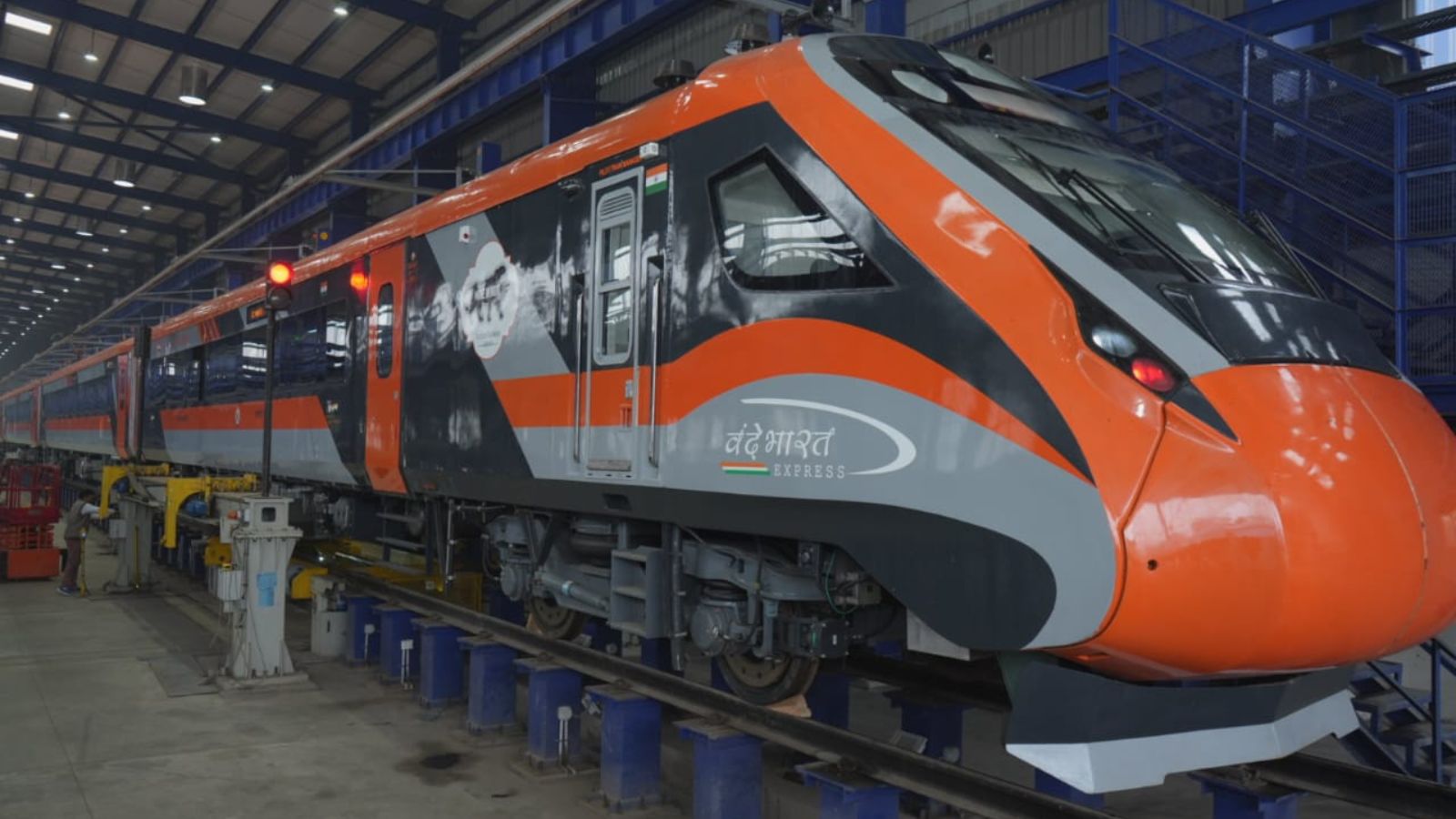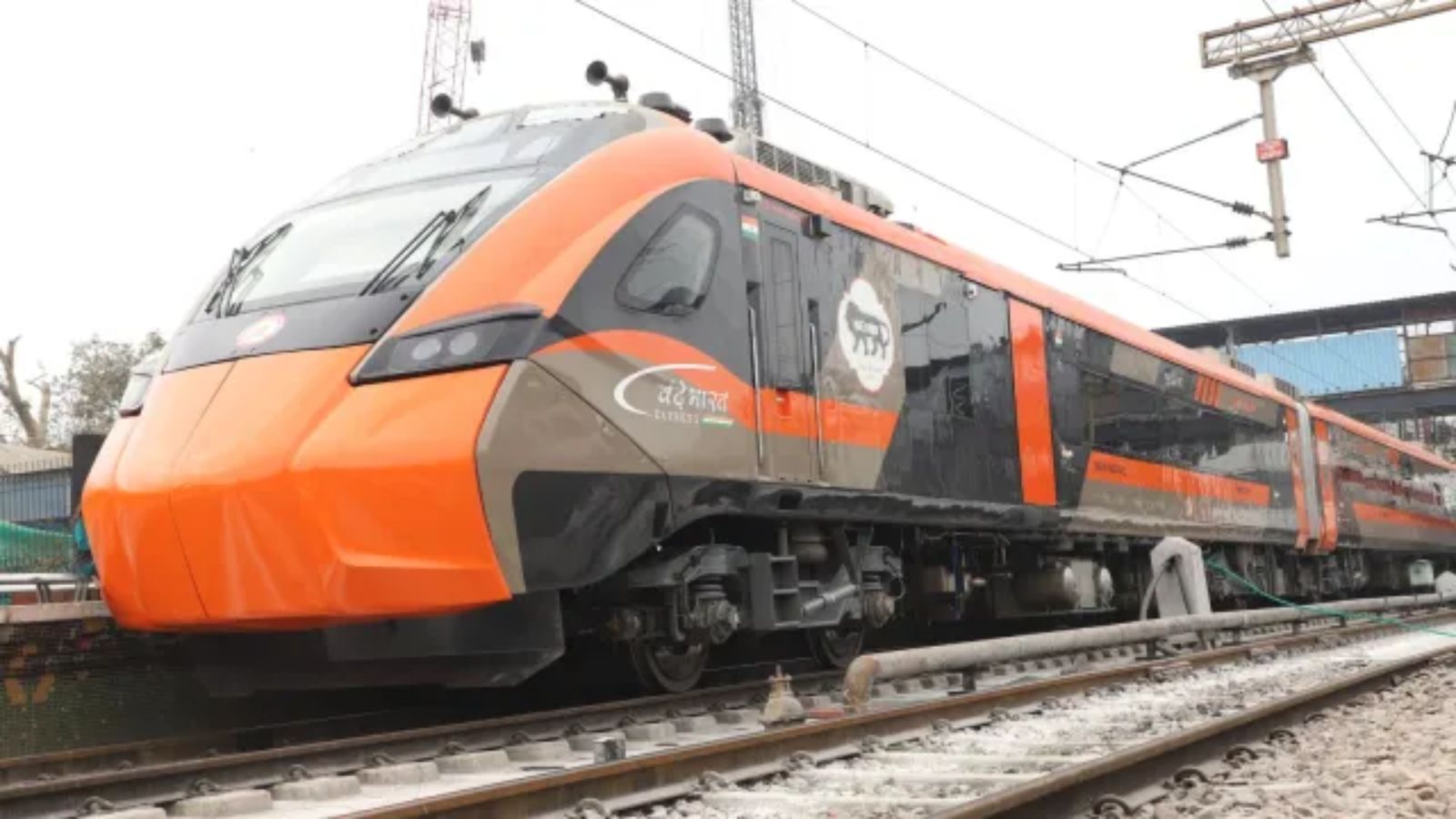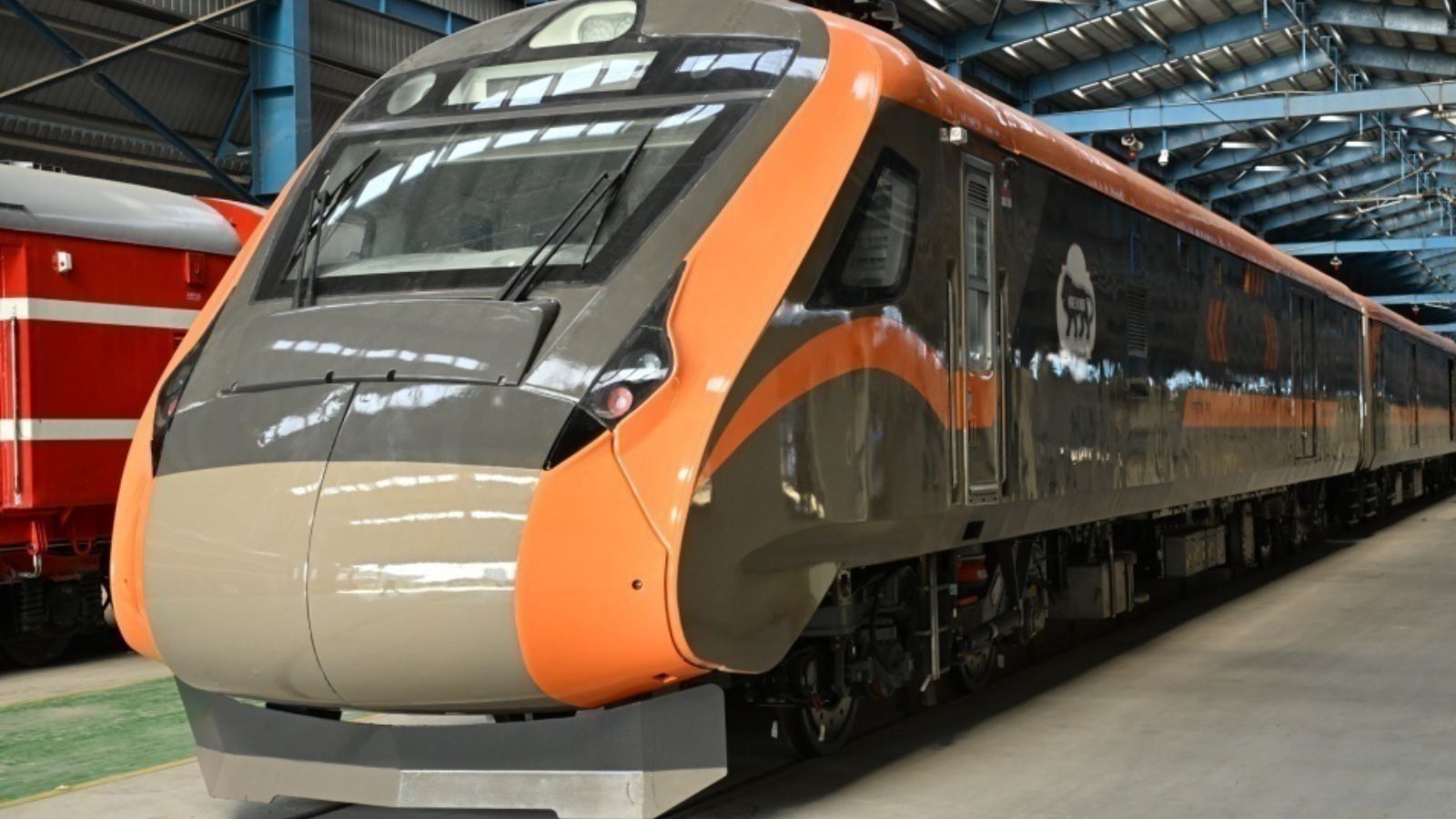
In a massive boost to Indian logistics, the first-ever Vande Bharat freight train successfully underwent a high-speed trial of 130 kmph on the Kota-Rohal Khurd route. This marks a new era of rapid goods transportation.
Key Takeaways
- Successful 130 kmph trial run of India's first Vande Bharat freight train.
- Conducted on the Kota-Rohal Khurd section of West Central Railway.
- Developed by ICF with a 16-coach configuration.
- Equipped with advanced features like reefer facilities and regenerative braking.
Indian Railways has achieved a significant milestone in modernizing its freight operations. The nation's first Vande Bharat freight train successfully completed a high-speed trial run of 130 kmph on the Kota-Rohal Khurd section under the West Central Railway (WCR). Technical teams from the Research Designs and Standards Organisation (RDSO) and Integral Coach Factory (ICF) oversaw the rigorous testing process.
Technical Performance Metrics
During the trial, railway officials focused on the train's ability to handle high-speed operations under load. The testing parameters included:
- Regenerative Energy: Assessing how much electricity is recovered during braking.
- Thermal Capacity: Evaluating the electrical systems' performance at high speeds.
- Traction & Braking: Measuring pulling power and stopping efficiency.
- Jerk Levels: Ensuring smooth acceleration and deceleration under heavy loads.
Why This Matters
BozokMedia analysis shows that this development is poised to revolutionize the Indian supply chain. By significantly reducing transit times for high-value parcels and perishable goods, the Vande Bharat freight EMU can drastically lower logistics costs and improve economic efficiency.
The successful high-speed trial of the Vande Bharat freight rake marks a paradigm shift in how India approaches time-sensitive logistics.
Advanced Features and Design
Developed by the Chennai-based Integral Coach Factory (ICF), this 16-coach rake is a marvel of modern engineering. It features a specialized roller floor system for easy loading, automatic wide sliding doors, temperature-controlled (reefer) compartments, CCTV surveillance, and advanced fire detection systems.
Frequently Asked Questions
1. Where was the trial run conducted?
The trial was conducted on the Kota-Rohal Khurd section of the West Central Railway.
2. What makes this freight train different from traditional ones?
It offers much higher speeds (up to 130 kmph), temperature control for perishables, and advanced automated loading features.