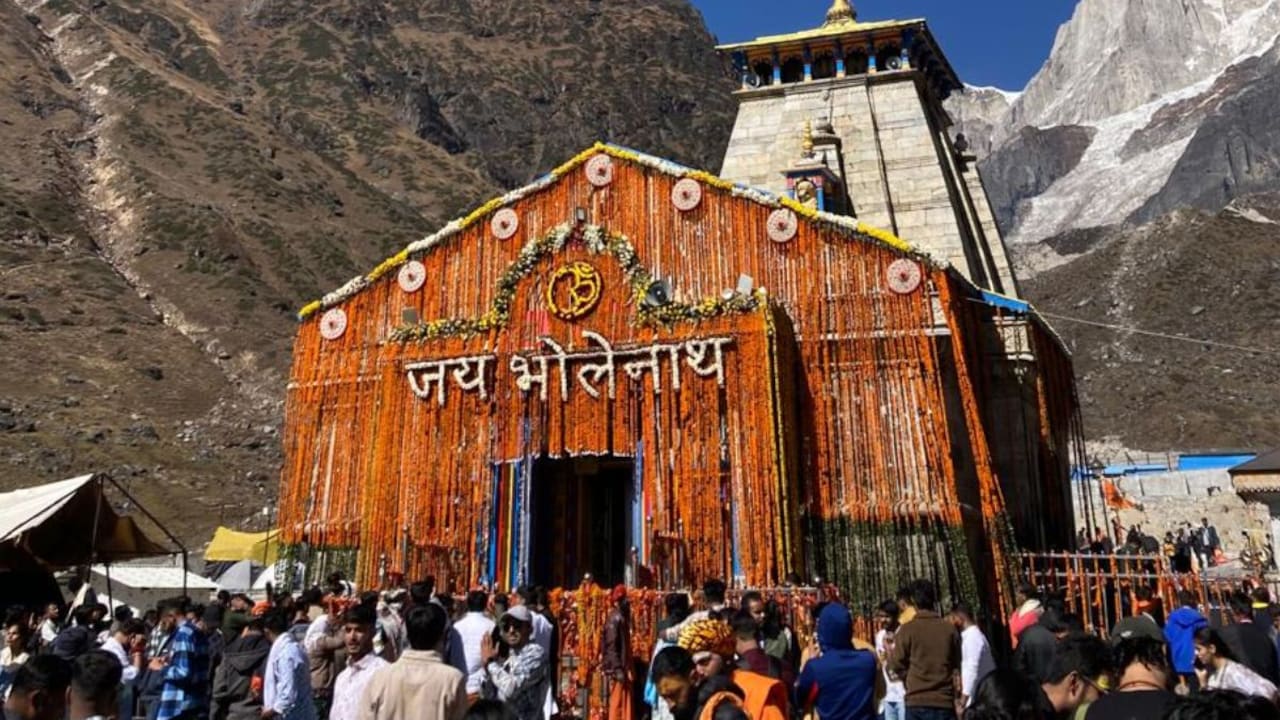
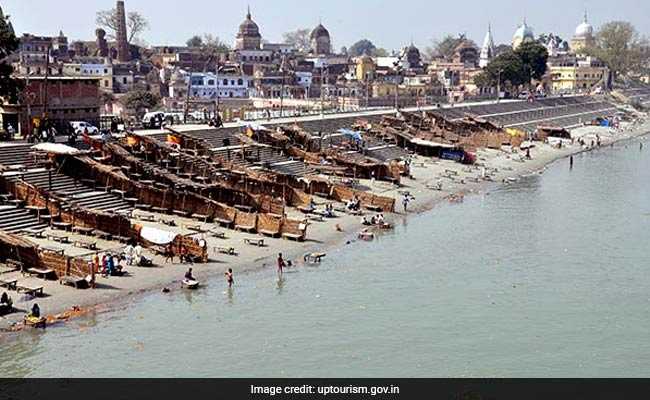
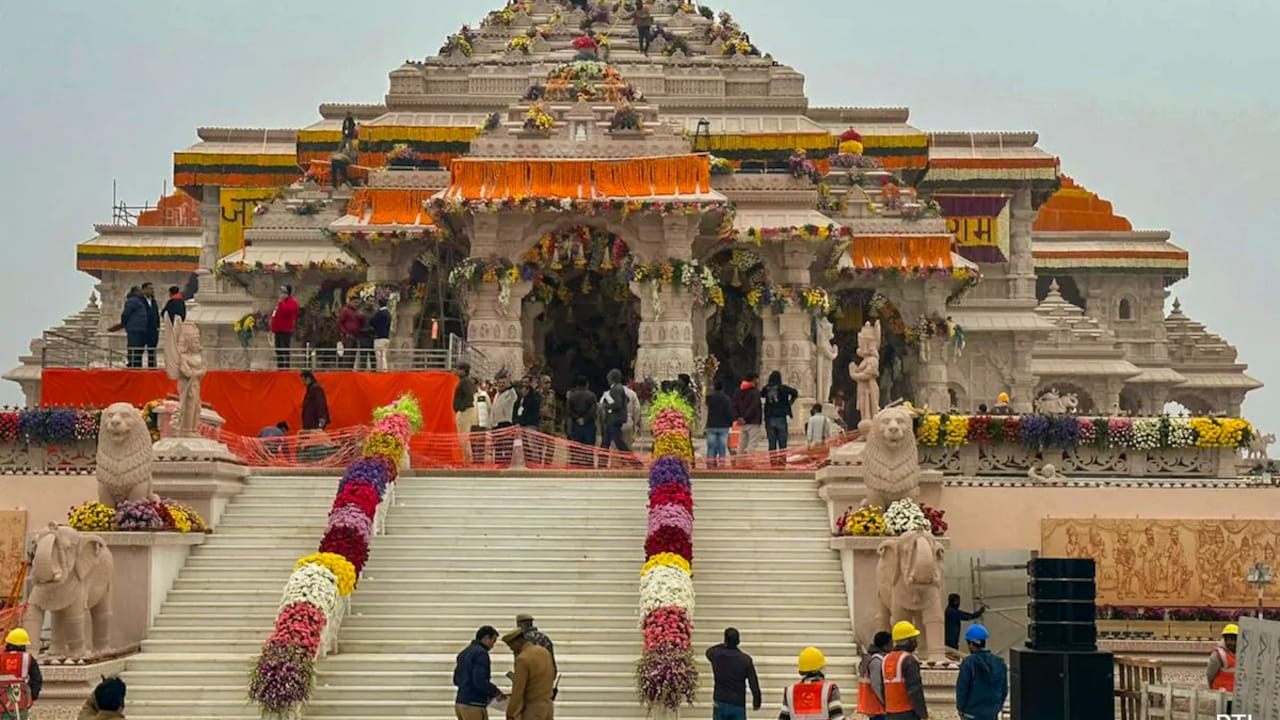
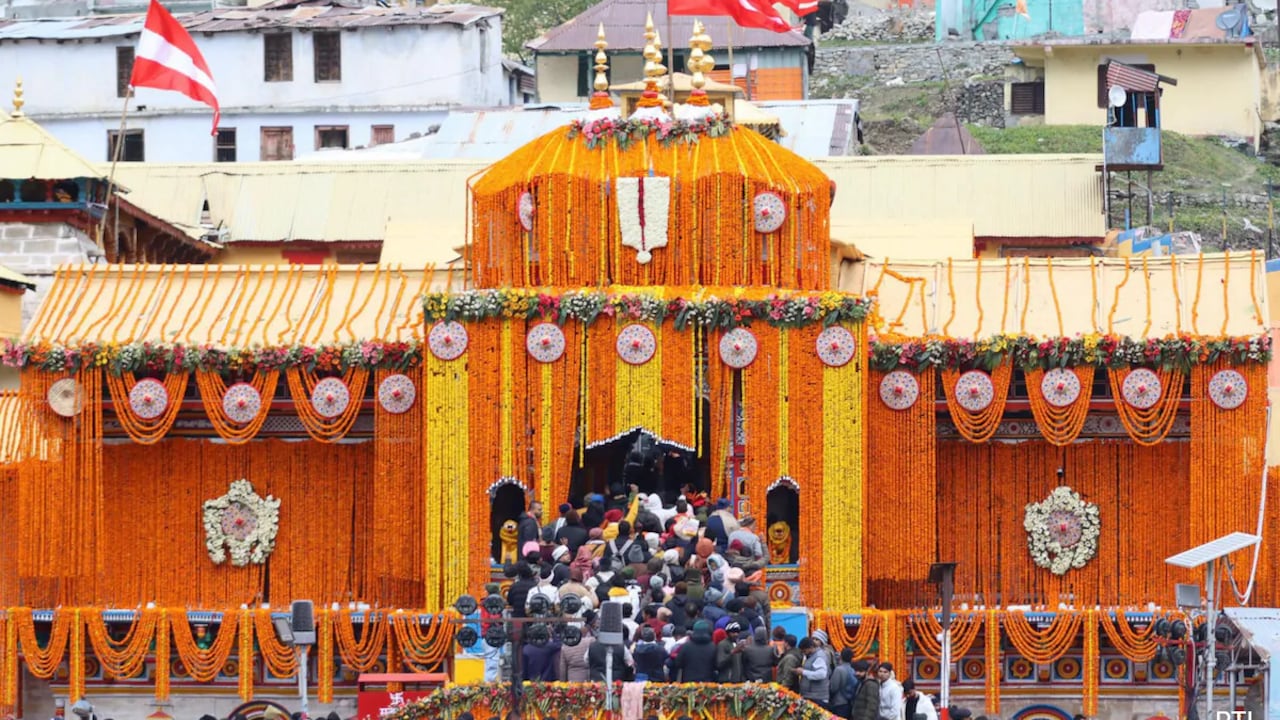
Kerala's KSRTC Budget Tourism Cell will roll out special pilgrimage tours starting July 17, catering to devotees during the auspicious month of Karkidakam. Packages feature Nalambala Yatras, Pancha Pandava Temple darshan, and the traditional Aranmula Vallasadhya, among other sacred sites.
Key Takeaways
- KSRTC introduces dedicated pilgrimage packages for Karkidakam
- Includes Nalambala Yatras, Pancha Pandava Temple darshan, and Aranmula Vallasadhya
- Multiple depots across Kerala provide coordinated bus services
The KSRTC Budget Tourism Cell of Kerala announced a series of curated pilgrimage packages that will commence on July 17, aligning with the religiously significant Malayalam month of Karkidakam. By leveraging its extensive bus network, the agency aims to make sacred journeys more affordable and organized for millions of devotees.
Package Highlights
Three core itineraries form the backbone of the offering. The Nalambala Yatras cover the four temples associated with Lord Rama and his brothers: Triprayar Sree Rama Temple, Koodalmanikyam Bharata Temple, Moozhikkulam Lakshmana Temple, and Payammal Shatrughna Temple in Thrissur. The Pancha Pandava Temple darshan incorporates a visit to the famed Aranmula Vallasadhya, while separate tours target the revered shrines of Guruvayur and Mookambika.
Operational Details
For the Thrissur Nalambala circuit, nine KSRTC depots will dispatch buses at 8 p.m., with a return scheduled by the following evening. In Ernakulam, the Piravom Nalambalam temples have been added to the itinerary, and special services will operate from the Kottarakara and Kollam depots to accommodate pilgrims from Kannur district. The Pancha Pandava itinerary runs from July 18 through September 16; groups reach Aranmula by noon, where the Aranmula Palliyoda Seva Sangham provides a grand feast—costs of which are bundled into the travel fare.
Significance of Karkidakam
Karkidakam, often termed the “dark month,” is traditionally observed with fasting, prayers, and pilgrimages aimed at spiritual purification. By structuring these journeys through state-run transport, KSRTC not only eases logistical challenges but also stimulates local economies—benefiting small vendors, hotels, and ancillary service providers along the routes.
Future Outlook
Analysts suggest that if the model proves successful, it could be replicated for other festivals such as Onam and Pongal, potentially integrating digital ticketing, real‑time tracking, and multi‑modal connectivity. Such expansion would elevate Kerala’s religious tourism profile and generate a sustainable revenue stream for the state.