Swami Avimukteshwaranand alleges that the government installed its chosen personnel in the Ram Temple Trust to facilitate embezzlement. He also questions the impartiality of the Special Investigation Team (SIT) and warns of eroding public trust.
Key Takeaways
- Government placed trusted individuals in the Ram Temple Trust
- Swami claims this appointment enables theft
- Special Investigation Team (SIT) credibility is under scrutiny
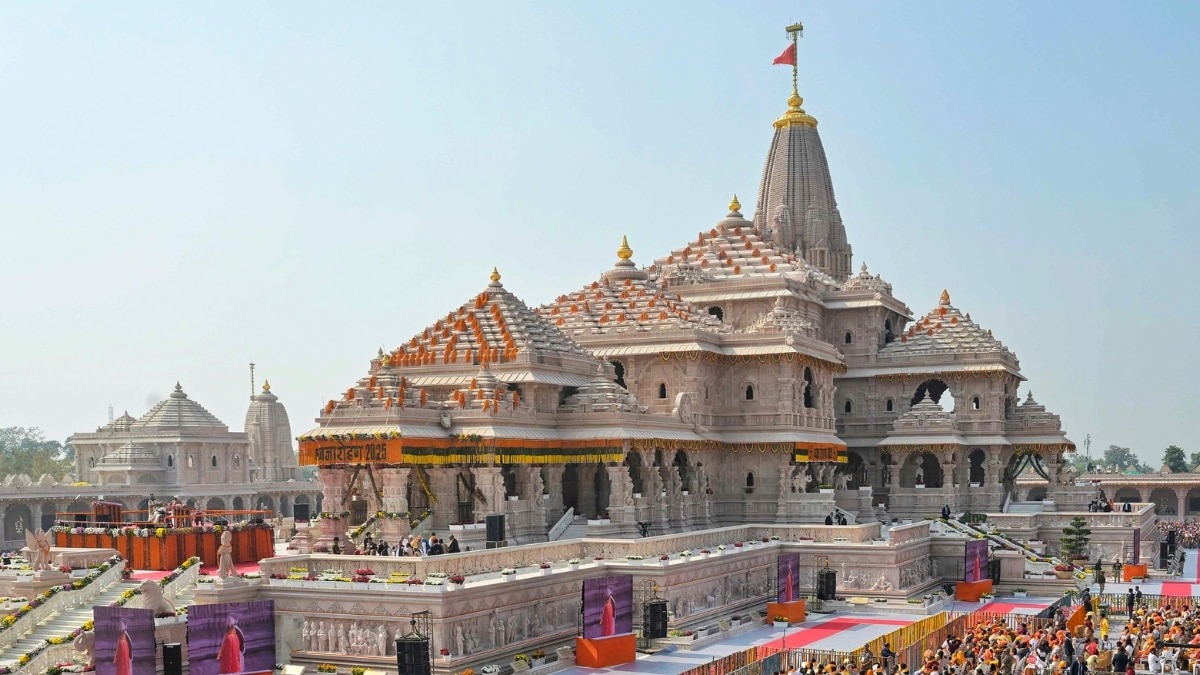
During a public awareness march on cow protection in Bahraich, Uttar Pradesh, on July 14, Swami Avimukteshwaranand levelled serious accusations against the central government. He asserted that the state deliberately installed "its chosen people" within the Ram Janmabhoomi Teerth Kshetra Trust to make the misappropriation of donations easier, thereby compromising the sanctity of religious administration.
Allegations and Context
The seer emphasized that temple construction, management, and the allocation of donated funds are traditionally the domain of religious leaders, not political appointees. "This is not an accident, but a planned act," he told reporters, adding that the alleged placement of loyalists was a strategic move to control the Trust’s finances. He also questioned the resignation of Champat Rai, claiming it was a mere façade, as entry passes bearing his signature continue to be issued.
Credibility of the Special Investigation Team (SIT)
Swami Avimukteshwaranand warned that the SIT — formed by the same government that allegedly orchestrated the appointments — is predisposed to deliver a "clean chit" to the accused. He argued that the community of seers has lost confidence in the Trust, urging law enforcement agencies to intervene and ensure accountability.
Cow Protection as a Political Litmus Test
Linking his criticism to broader political concerns, the swami stated that parties seeking votes on the promise of cow protection must also enact legislation to declare the cow as "Rashtra Mata" (national mother). He pledged to withdraw support from any government that refuses to honour this status, positioning the issue as a decisive electoral factor.
Historical Friction and Future Implications
Avimukteshwaranand’s confrontations with authorities are not new; he previously clashed with organizers of the Magh Mela in Prayagraj over alleged denial of ritual bathing rights. This latest outburst could amplify tensions between religious institutions and the state, especially if the allegations gain traction. A credible investigation could reshape the governance model for high‑profile temples and reinforce the principle of religious autonomy in India.