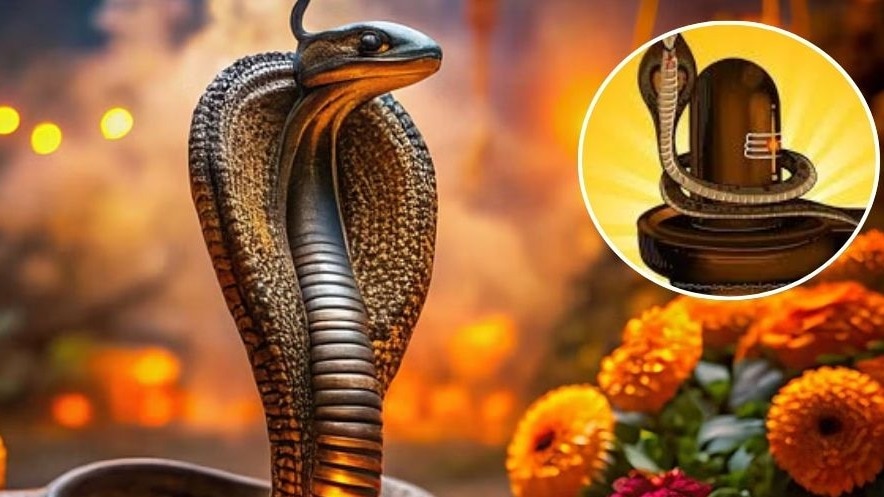
Nag Panchami 2026 will be celebrated on Monday, 17 August. The auspicious puja window runs from 06:04 to 08:39 IST, and the article outlines the traditional worship of Shiva and the Serpent Deity.
मुख्य बिंदु (Key Takeaways)
- Nag Panchami 2026 falls on 17 August (Monday)
- Auspicious puja muhurat is from 06:04 to 08:39 IST
- Traditional worship steps for Shiva and the Naga deity
According to the Hindu calendar, the Shukla Paksha Panchami of the month of Shravan (Sawan) marks Nag Panchami. In 2026, the Shukla Panchami begins on 16 August at 04:52 PM and ends on 17 August at 05:00 PM, making the festival day 17 August, Monday. The designated muhurat for worship is from 06:04 AM to 08:39 AM, a narrow window that devotees must observe.
Date and Muhurat
For 2026, the auspicious date aligns with the Gregorian calendar on 17 August, a Monday. The muhurat starts at 06:04 IST and concludes at 08:39 IST. Devotees are advised to take a pre‑dawn bath, wear clean clothes, and set up the puja space before the muhurat begins.
Puja Procedure
On Nag Panchami, begin the day with a bath and don fresh attire. Create a symbolic representation of the Naga deity at the main entrance or altar using cow‑dung or earth, then offer flowers, milk, ghee and other Naivedyam. Light incense and a lamp, perform aarti, and conclude with listening to the Nag Panchami story. For Shiva worship, perform a jalabhishek (water ceremony) on the Shiva lingam using a copper pot, followed by offering raw milk. Chanting “Om Namah Shivaya” throughout the ritual is considered essential for invoking divine protection.
Religious Significance
In Sanatan Dharma, Nag Panchami is believed to alleviate the effects of the “Kalasarpa” (serpent) dosha, remove obstacles, and grant desired fruits of one's efforts. The combined worship of Shiva and the Serpent Deity is thought to bring both personal blessings and communal harmony, as referenced in ancient scriptures.
Contemporary Perspective
Beyond its spiritual dimensions, Nag Panchami underscores humanity’s historic coexistence with serpents and the broader environment. Scholars suggest that integrating ecological awareness into the celebration can turn a ritual into a platform for environmental stewardship, encouraging devotees to protect habitats while honoring tradition.