A legal plea in Jammu alleges massive adulteration in silver offerings at the Vaishno Devi shrine. Investigations are underway to determine if the ₹550 crore worth of silver was tampered with after receipt.
Key Takeaways
- A court plea alleges adulteration in silver offerings worth approximately ₹550 crore at the Vaishno Devi shrine.
- Testing revealed that only 5-6% of the accumulated 20 tonnes of metal was actual silver; the rest was cadmium and iron.
- Cadmium, a toxic carcinogen, was reportedly used as a substitute for silver.
- The shrine uses high-level security, including CRPF guarding and SDM-led counting processes.
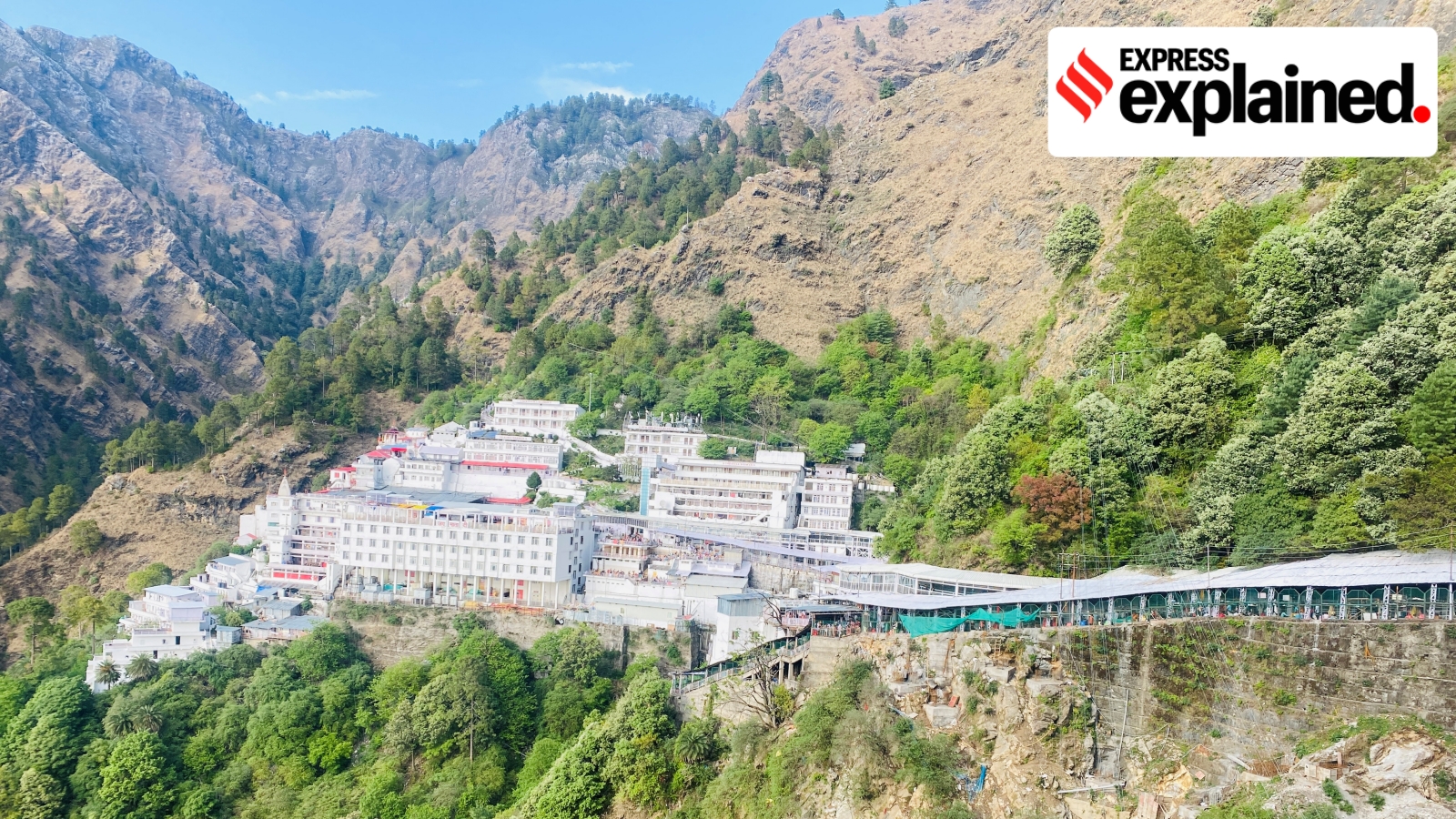
The Shri Mata Vaishno Devi Shrine, one of India's most revered pilgrimage sites, is currently at the center of a massive controversy involving allegations of large-scale misappropriation of precious metals. A petition filed in a Jammu court claims that silver offerings donated by millions of devotees may have been adulterated, potentially involving a fraud of nearly ₹550 crore.
The Core of the Controversy: Silver vs. Cadmium
The controversy erupted after the Shrine Board sent approximately 20 tonnes of accumulated silver offerings to a government mint outside Jammu and Kashmir for melting and purification. The laboratory results were startling: the material contained only 5-6% silver. The bulk of the mass consisted of cadmium, iron, and other cheap metals. This discovery has raised alarming questions about whether the adulteration occurred at the point of purchase by devotees or through internal theft and replacement after the donations were received.
The economic disparity is staggering. While silver is valued at roughly ₹2.30 lakh per kg, cadmium costs a mere ₹500 per kg. Furthermore, the use of cadmium introduces a severe health concern, as it is a highly toxic substance and a known carcinogen. The complainant has alleged criminal conspiracy, cheating, and breach of trust, prompting an investigation by the J&K Crime Branch.
Strict Security and Management Protocols
To counter such allegations, the Shrine Board maintains that their protocols are foolproof. Donation boxes are double-locked, placed under 24x7 CCTV surveillance, and guarded by CRPF personnel. The process of opening these boxes is conducted in the presence of a Sub-Divisional Magistrate (SDM) and shrine officials. Once counted and weighed, precious metals are sealed in packets and stored in high-security strongrooms.
The logistics of moving these assets are equally rigorous. Every few months, accumulated gold and silver are transported to Katra—sometimes via helicopter—under the watchful eyes of the Central Armed Police Forces (CAPF) and shrine officials to ensure that the seals remain intact and no pilferage occurs during transit.
The Shrine Board's Defense
Shrine Board officials have defended their position, suggesting that the low purity levels might be due to the quality of items donated. They noted that many 'silver' items like chhatars (umbrellas) and ornaments purchased in local markets are often of low purity to begin with. However, critics argue that a devotee's intent is always to offer the purest possible item to the deity, making the 'low-quality donation' theory hard to accept. The outcome of the ongoing investigation will be crucial in determining if this is a systemic failure or a sophisticated criminal operation.