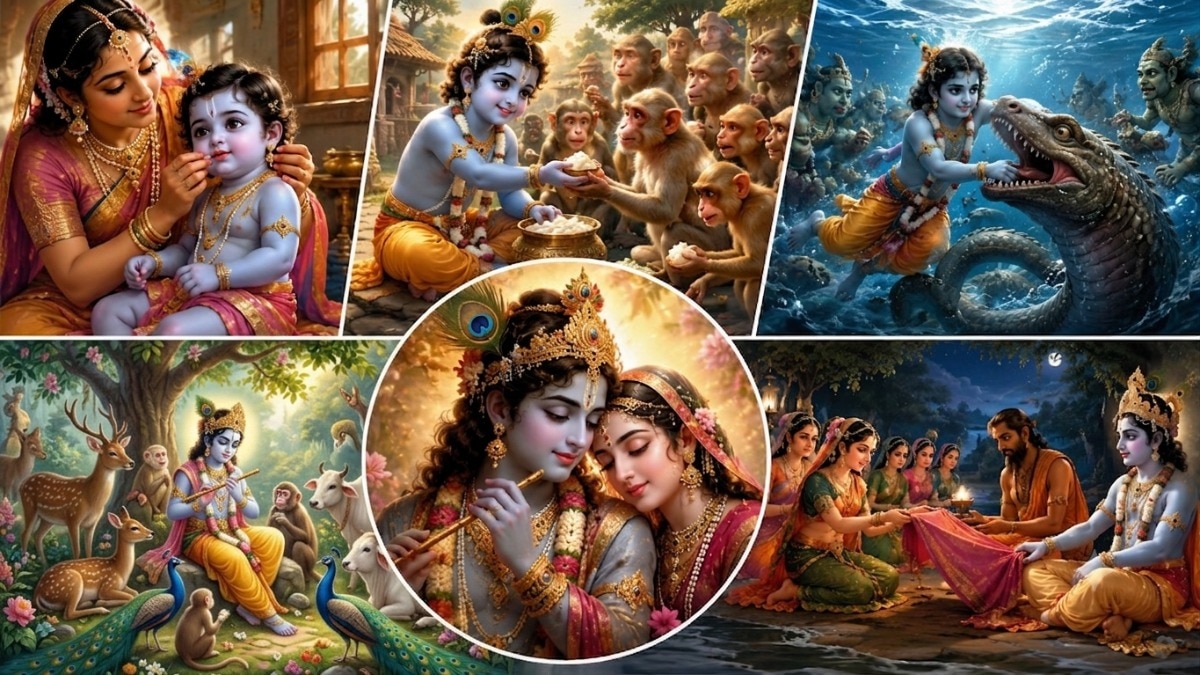
The 22nd chapter of the Ashadh month narrative featuring Lord Hari Vishnu has been uploaded on YouTube, sparking extensive discussion among devotees. The video blends mythology with modern production values to reach a global audience.
Key Takeaways
- Chapter 22 of the Ashadh month story is now available online
- Focus on Lord Hari Vishnu’s teachings and moral lessons
- Widespread acceptance among religious viewers
A leading Indian religious YouTube channel has released the 22nd chapter of the Ashadh month saga, highlighting the divine exploits of Lord Hari Vishnu. Viewers are responding with reverence and curiosity, underscoring the profound social impact of such content.
Historical Background: In the Hindu lunisolar calendar, Ashadh follows the spring equinox and is celebrated for its abundance of crops and festivals. Classical scriptures associate the month with Vishnu’s avatars and prescribe special night‑worship rituals during the bright fortnight. This historic reverence explains why contemporary retellings attract massive viewership.
The video employs traditional devotional music, classical instruments, and vibrant graphics, creating an immersive experience that makes ancient lore accessible to today’s audience. Such multimedia storytelling not only demystifies scriptural narratives but also revives spiritual education among younger generations.
"Reviving mythic narratives on modern digital platforms strengthens cultural continuity while fostering spiritual awareness," says Dr. Ajay Verma, a scholar of religious studies.
Why This Matters
According to BozokMedia analysis, the proliferation of online religious content bolsters social cohesion, especially as traditional worship practices wane in fast‑changing urban settings. When people stream these stories, they reinforce communal identity and personal devotion simultaneously.
Economically, platforms like YouTube provide creators with ad‑revenue streams, encouraging higher‑quality productions. Politically, balanced presentations of sacred themes can mitigate sectarian tensions, promoting inclusive dialogue across diverse communities.
Frequently Asked Questions
Q1: Is the video available only in Hindi?
A: Currently the primary audio and subtitles are in Hindi, though multilingual versions are planned for future releases.
Q2: Is there an auspicious time to listen to this chapter?
A: While the story can be viewed anytime, tradition recommends listening on the first day of the bright fortnight of Ashadh for added blessings.