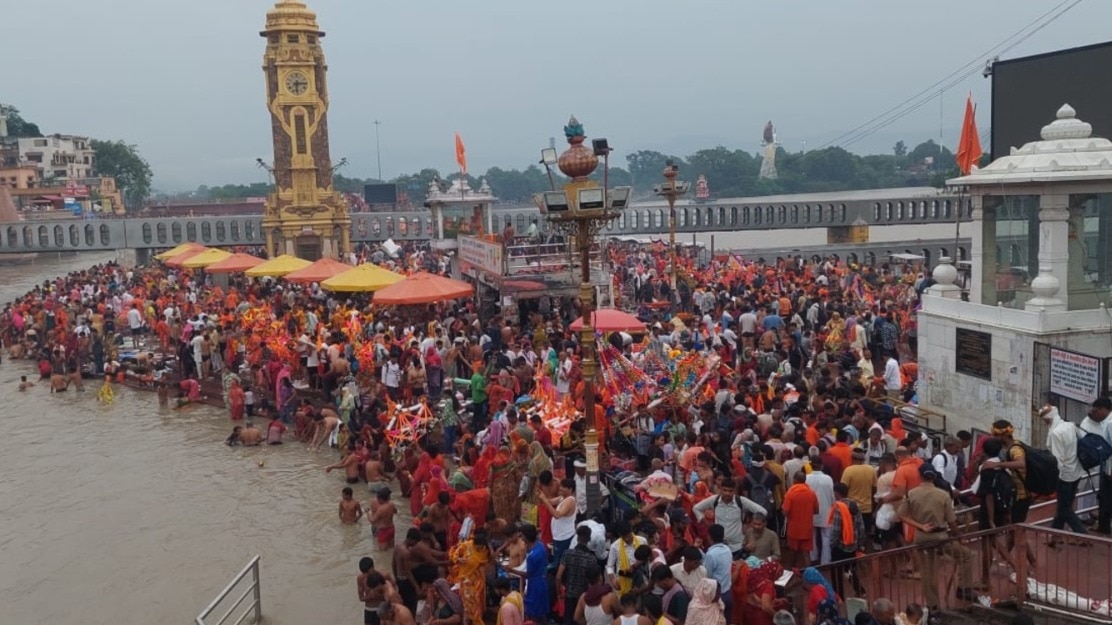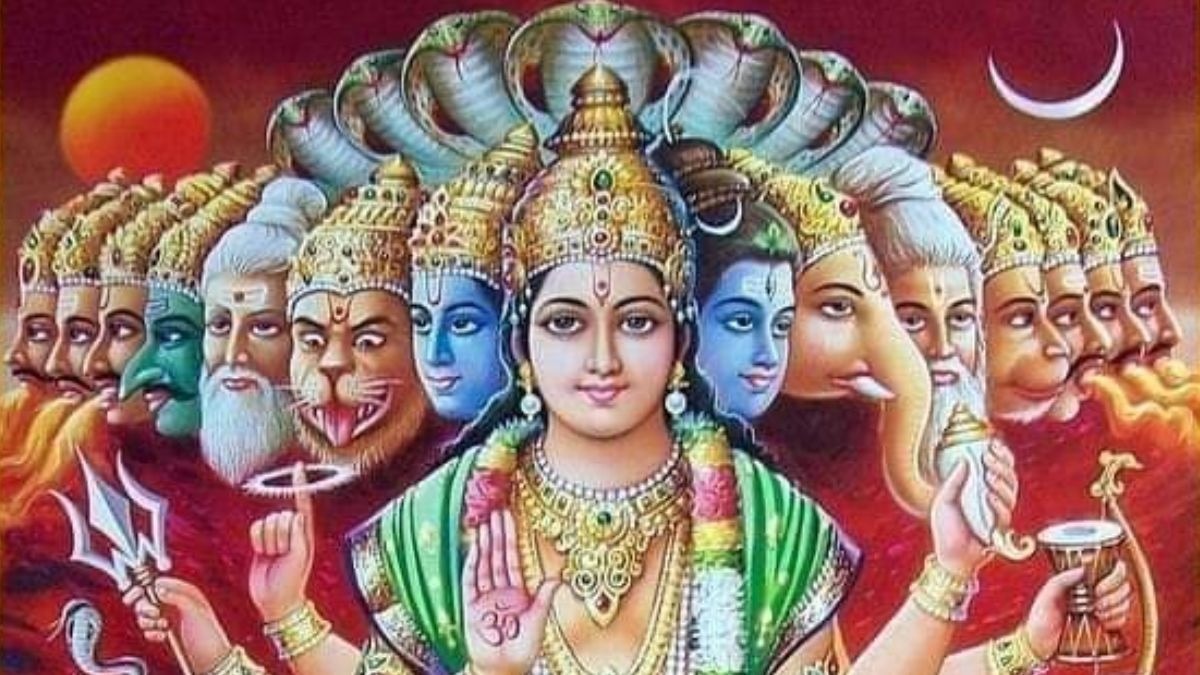
On the sacred day of Guru Purnima, reciting the Satyanarayan fasting story is believed to erase hardships and bring peace and prosperity. This tradition holds a revered place in spiritual practice.
Key Takeaways
- Listening to the Satyanarayan fasting story removes life’s hardships
- Special puja and storytelling rituals on Guru Purnima
- True devotion brings peace and prosperity
Observance of the Fasting Story on Guru Purnima
Across India, families gather on Guru Purnima to narrate the Satyanarayan story. A qualified priest conducts the ritual in strict accordance with tradition, beginning with a prayer to Lord Ganesha, followed by Navagraha puja and finally worship of Lord Vishnu. This sequence is believed to invite divine blessings for the household.
According to the tale, Sage Narada, distressed by human suffering, approached Lord Vishnu for a simple remedy. Vishnu revealed the Satyanarayan fast, emphasizing that sincere observance dispels all misfortunes and bestows lasting happiness. The story illustrates that the fast is accessible to everyone—whether a Brahmin, a laborer, a king, or a merchant.
Historical Background
The Satyanarayan fast traces its roots to ancient Vedic scriptures, where it was prescribed as a moral compass promoting compassion, truth, and charity. Over centuries, the narrative evolved regionally, yet the core message—devotion coupled with ethical conduct—remains unchanged.
Why This Matters
BozokMedia analysis shows that celebrating Satyanarayan on Guru Purnima reinforces communal harmony and mental resilience, especially in fast‑paced urban environments where spiritual anchoring is vital.
"Anyone who follows the fast with genuine faith experiences profound transformation," says religious scholar Dr. Ajay Singh.
Frequently Asked Questions
Q1: Can people from any social class observe the Satyanarayan fast?
A: Yes, the fast is open to all—rich or poor, male or female—without any caste restrictions.
Q2: What is the most auspicious time to conduct the story on Guru Purnima?
A: The night of the full moon, especially after the evening prayers, is considered the most favorable.