Explore the spiritual significance of the first Monday of Shravan. Learn the authentic Vedic rituals of Jalabhishek and the science behind offering Belpatra as per the Shivpuran.
- The first Monday of Shravan is pivotal for spiritual energy and neutralizing lunar defects (Chandra Dosha).
- According to the Shivpuran, Lord Shiva resides on Earth with Goddess Parvati during this month.
- Jalabhishek is rooted in the legend of the Samudra Manthan to cool the heat of the Halahal poison.
- There is a specific scriptural method to offer Belpatra to maximize spiritual merit.
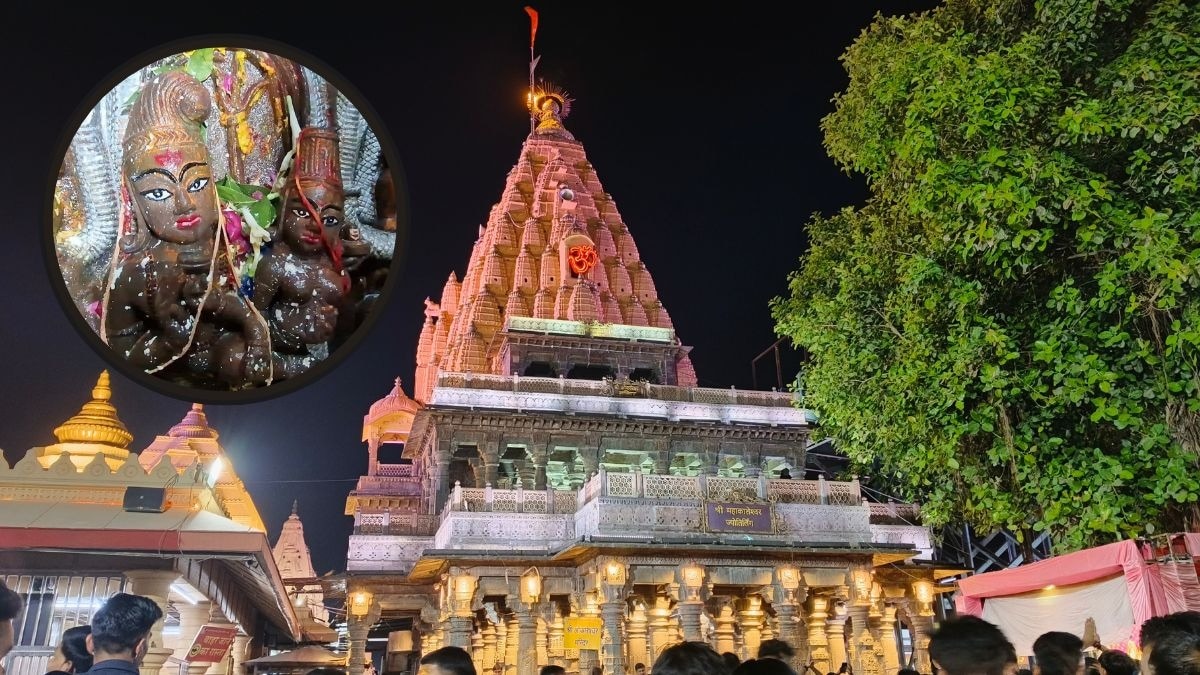
The month of Shravan is regarded as the most sacred period for the worship of Devadhidev Mahadev. The first Monday of Shravan (August 17) brings a surge of spiritual energy for devotees. It is believed that rituals performed on this day, especially the Jalabhishek (water offering), have the power to fulfill long-standing desires and bring peace to the troubled mind.
Significance and Rituals According to Shivpuran
As per the Vidyeshwar Samhita of the Shivpuran, Lord Shiva descends to Earth with Goddess Parvati during the month of Shravan, showing immense compassion toward his devotees. From an astrological perspective, fasting on Shravan Mondays is said to pacify the Chandra Dosha (Lunar affliction) in one's horoscope, leading to emotional stability and mental clarity.
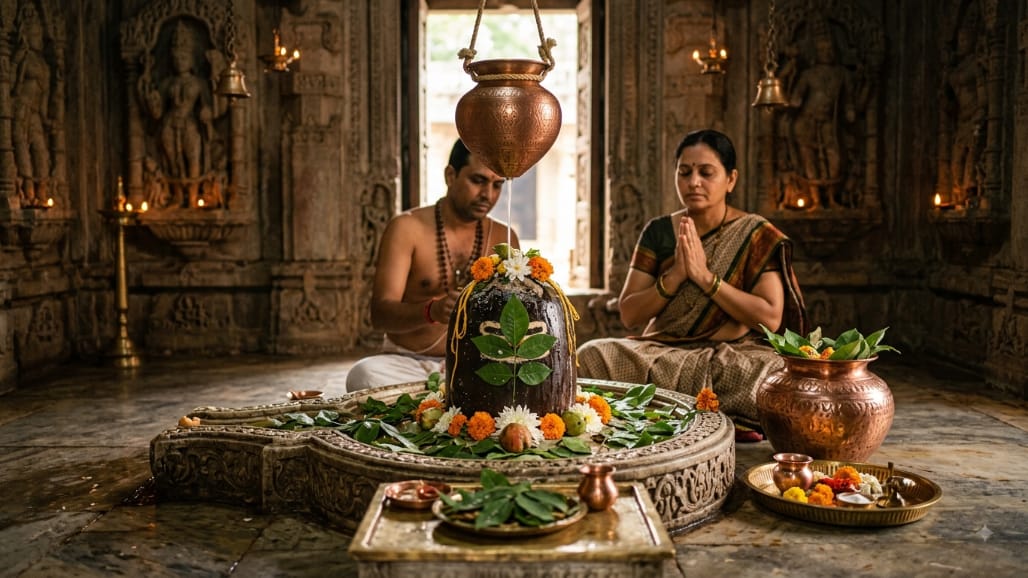
The scriptural procedure begins with a morning bath and a formal vow (Sankalp) for the fast. The Shiva Lingam should first be bathed with pure water, followed by Panchamrut (a mixture of milk, curd, ghee, honey, and sugar), and finally rinsed with holy Ganga water. Lord Shiva is particularly fond of Akshat (unbroken rice), white sandalwood, Bhasma (sacred ash), Aak flowers, and Dhatura. Continuous chanting of 'Om Namah Shivaya' or the Mahamrityunjaya Mantra is considered highly auspicious.
Why This Matters
BozokMedia analysis shows that the ritualistic adherence to Shravan Somwar is not merely a tradition but a psychological anchor for millions, blending astrological beliefs with spiritual discipline. The transition from physical offerings (like water and leaves) to mental chanting (Mantras) signifies a journey from material to spiritual consciousness.
The Mystery of Samudra Manthan and Jalabhishek
According to mythology, during the Samudra Manthan (Churning of the Ocean) by gods and demons, a lethal poison called 'Halahal' emerged. To protect the universe, Lord Shiva consumed the poison, which turned his throat blue. However, the poison created an intense burning sensation throughout his body.
To soothe this heat, the gods and sages performed an abhishekam of cool water and milk. Additionally, Belpatra, known for its cooling properties, was offered. This historical-mythological event is why Jalabhishek and Belpatra remain the most beloved offerings to Lord Shiva.
"Worship of Shiva is not about the material offerings, but about the purification of the inner self; water and leaves are merely symbols of that surrender."
Scriptural Rules for Offering Belpatra
The offering of Belpatra is governed by strict rules. The three leaves of the Belpatra symbolize the three eyes of Shiva and the Trimurti (Brahma, Vishnu, and Mahesh). According to the Shivpuran, the leaf should be offered upside down, such that the smooth side touches the Shiva Lingam. The leaf must be intact and not torn. Writing the name of 'Rama' or applying a sandalwood tilak on the leaf before offering it is said to bring infinite merit.
Frequently Asked Questions
Q1: What are the benefits of fasting on Sawan Somwar?
A: It provides mental peace, removes astrological lunar defects, and invokes the special grace of Lord Shiva.
Q2: What is the correct way to offer Belpatra?
A: It should be offered with the smooth side facing the Lingam, and the leaf must be whole and undamaged.