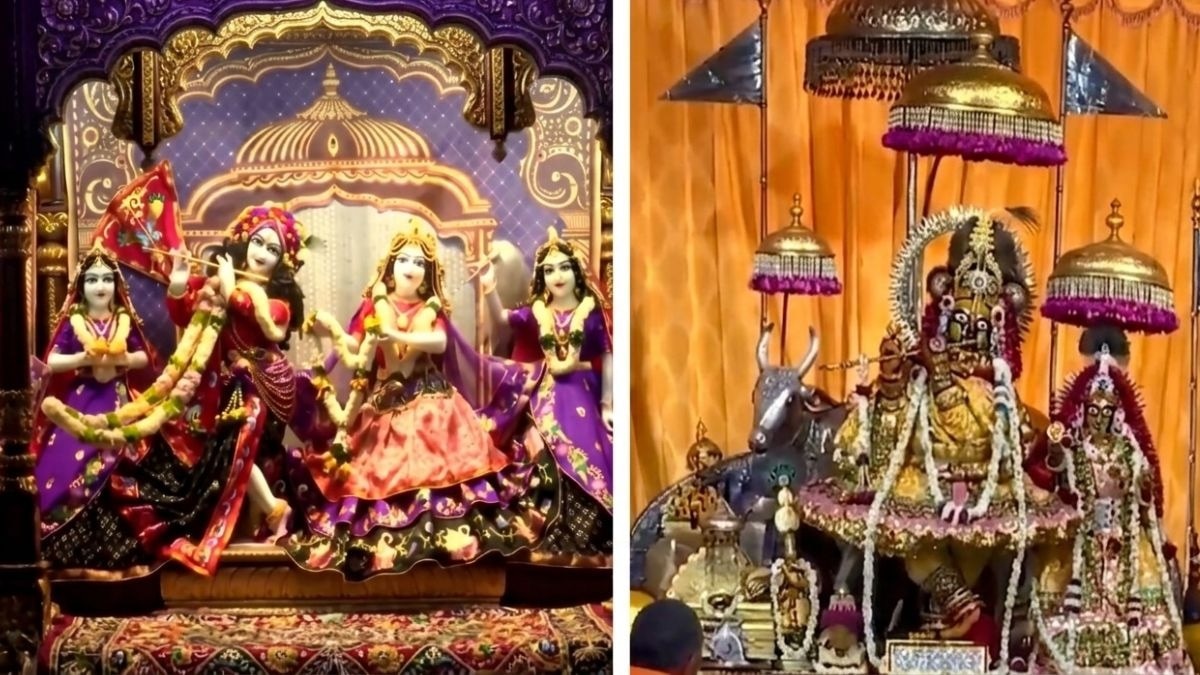
Discover the precise auspicious timings for Krishna Janmashtami 2026 celebrations. Learn the significance of midnight prayers and how to observe the fast correctly.
- The primary Puja Muhurat occurs during the midnight hours.
- Observing fasts and midnight prayers is central to the ritual.
- Devotees perform Abhishek with Panchamrit for spiritual blessings.
Krishna Janmashtami, the divine celebration of the birth of Lord Krishna, the eighth avatar of Lord Vishnu, is observed with immense fervor across the globe. In 2026, the festival promises to be a significant spiritual milestone for millions of devotees seeking divine grace and cosmic balance.
The timing of the rituals is of paramount importance in Vedic traditions. According to astrological alignments, the most auspicious period for the main celebration begins during the midnight hours, marking the exact moment of Krishna's birth. Devotees prepare elaborate decorations, sing devotional hymns, and observe strict fasting protocols to honor the deity.
Why This Matters
BozokMedia analysis shows that adhering to specific 'Shubh Muhurat' (auspicious timings) is believed to amplify the spiritual vibrations of the prayers, helping practitioners connect more deeply with the divine energy during significant cosmic transitions.
Aligning ritualistic actions with celestial timings is a cornerstone of Vedic spiritual efficacy.
Beyond the rituals, Janmashtami serves as a profound reminder of the victory of righteousness over chaos. The life of Krishna, particularly his teachings in the Bhagavad Gita, provides a timeless blueprint for duty, ethics, and mental fortitude in the modern age.
Historically, the celebrations are deeply rooted in the regions of Mathura and Vrindavan, where the legacy of Krishna's childhood continues to inspire art, music, and devotion. Whether through the 'Dahi Handi' celebrations or quiet midnight prayers, the essence remains the same: celebrating the arrival of divine wisdom.
Frequently Asked Questions
1. What is the significance of midnight Puja?
Lord Krishna is believed to have been born at midnight, making this the most potent time for prayer and meditation.
2. Can beginners observe the Janmashtami fast?
Yes, many devotees opt for a partial fast (Phalahar) consisting of fruits and milk to ease into the tradition.