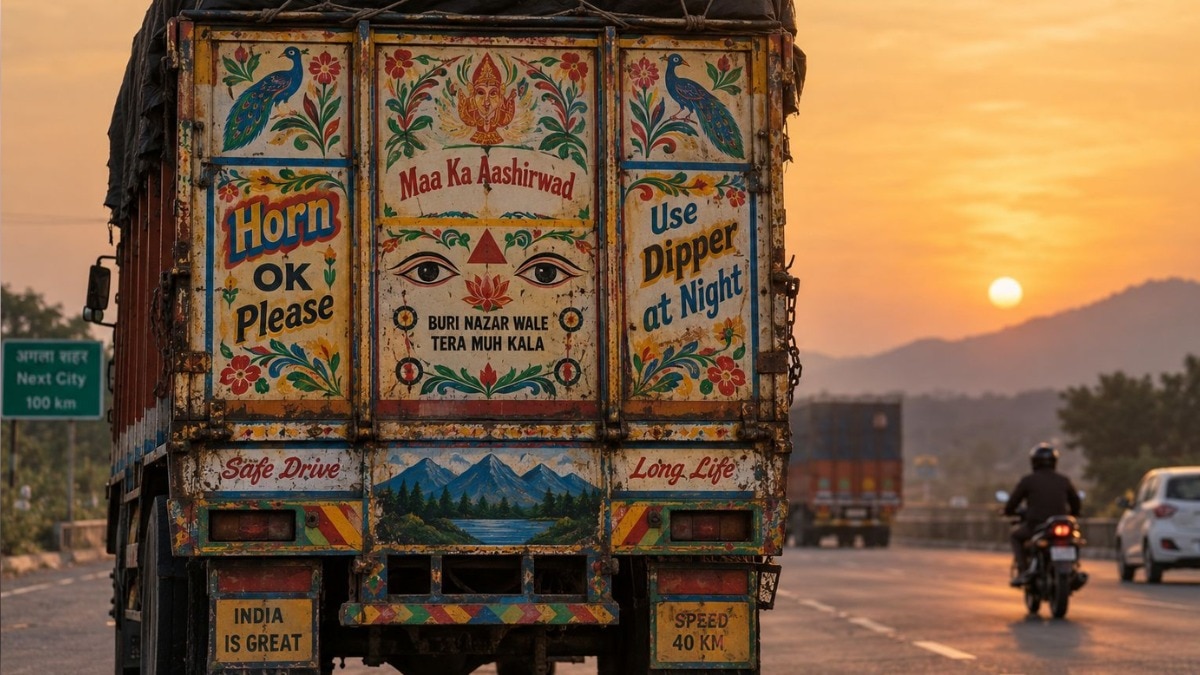
Beyond the vibrant colors and bold slogans, Indian truck art serves as a moving diary of a driver's life, capturing deep-seated traditions, family bonds, and spiritual beliefs.
- Truck slogans are deeply personal, acting as links to family and home.
- Religious rituals for new vehicles are a multi-generational tradition among drivers.
- Cabin keepsakes, like photos and stickers, provide emotional stability during long hauls.
To the casual observer stuck in traffic, an Indian truck is a loud, colorful spectacle. You see 'Horn OK Please', 'Maa Ka Aashirwad', or warnings against the 'evil eye'. To most, these are just part of the highway's visual noise. However, for the men behind the wheel, these writings are a profound biography of their lives.
Conversations with long-haul drivers reveal that these slogans are far from random. They are inherited rituals and emotional anchors. Raghu Das, a driver from Bengal, explains that a mother's name on the truck is a way to stay connected to home, while symbols meant to ward off evil eyes provide a necessary sense of psychological protection on lonely roads.
Why This Matters
BozokMedia analysis shows that for the Indian logistics sector, the truck is more than a commercial asset; it is a mobile sanctuary. In a profession defined by isolation and grueling hours, these artistic expressions serve as essential tools for mental resilience and cultural continuity.
The truck might change, but the photograph of a loved one remains—it is the only constant in a life of motion.
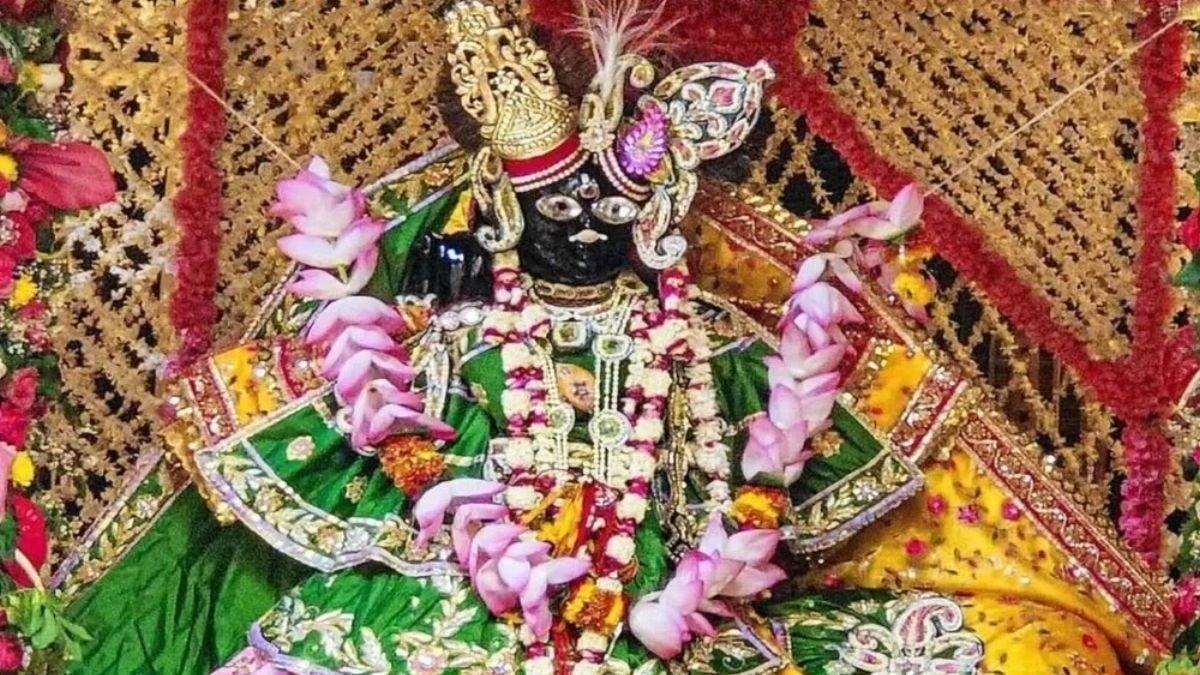
This connection to tradition often spans generations. Ravinder Singh from Uttar Pradesh shares how the ritual of taking a new vehicle to a temple is a practice passed down from his grandfather. For drivers, a new truck is not just a business investment; it is a new member of the family that requires divine blessing to ensure safe passage through treacherous terrains.
The intimacy extends to the cabin itself. While the exterior might be repainted or modified, the interior often houses sacred objects—a child's drawing, a faded sticker, or a photograph of a parent. As one driver poignantly noted, "The truck can change, but the photo cannot." This highlights the truck as a vessel for memory in an otherwise transient existence.
Historical Background
Truck Art in India has evolved from simple functional markings to a complex form of folk art. Influenced by regional aesthetics and religious iconography, it has become a unique cultural phenomenon that defines the visual identity of the Indian subcontinent's transport corridors.
Frequently Asked Questions
1. What is the significance of 'Horn OK Please'?
It is a practical instruction for following drivers to use their horns and maintain a safe distance.
2. Why do drivers use religious symbols on their vehicles?
These symbols act as spiritual talismans, providing drivers with a sense of protection and peace during long, solitary journeys.