Pithori Amavasya is a sacred day dedicated to the longevity of children and the peace of ancestors. Discover the exact dates, timings for Snan-Daan, and the mythological importance of Kusha grass for 2026.
- Pithori Amavasya will be observed on September 10, 2026.
- The auspicious window for Snan-Daan is from 4:31 AM to 5:17 AM.
- Mothers perform rituals involving 64 Yoginis created from rice flour for their children's well-being.
- Collecting Kusha grass on this day is considered auspicious for year-round religious use.
In the Hindu calendar, the New Moon day of the Bhadrapada month is observed with immense devotion as Pithori Amavasya, also widely known as Kushagrahani Amavasya. This day serves a dual purpose: it is a pivotal time for performing 'Tarpana' (offerings) for ancestors and a day for mothers to pray for the health and prosperity of their offspring.
Accurate Date and Muhurat for 2026
According to the Drik Panchang, the Tithi for Pithori Amavasya begins at 10:33 AM on September 10, 2026, and concludes at 8:56 AM on September 11. Following the tradition of Udaya Tithi, the festivities and fasts will be observed on September 10.
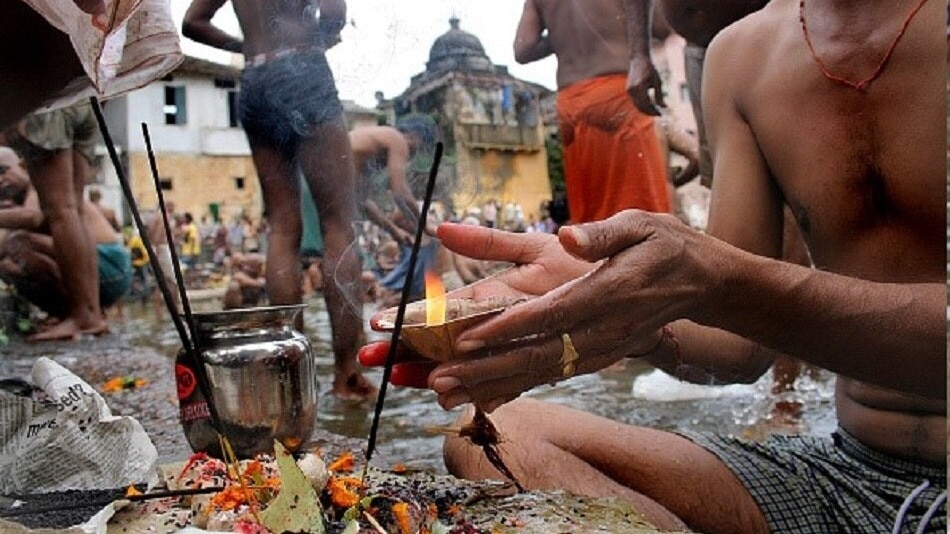
The most sacred window for Snan-Daan (Holy Bath and Charity) is from 4:31 AM to 5:17 AM. Devotees believe that bathing in holy rivers and donating to the needy during this specific timeframe cleanses the soul and brings divine blessings.
Why This Matters
BozokMedia analysis shows that the practice of creating symbolic deities from rice flour (Pith) reflects an ancient Indian tradition of using biodegradable and natural elements in worship. Furthermore, the focus on ancestral peace during this Amavasya highlights the deep-rooted Indian value of 'Pitru Rin' (debt to ancestors), ensuring a balanced spiritual lineage.
Rituals and Puja Procedure
The ritual begins before sunrise with a sacred bath and a vow of fasting. The unique aspect of this puja involves crafting symbolic figures of 64 Yoginis and the Saptamatrikas using rice flour. These figures are placed on a platform covered with red cloth. After worshipping Lord Ganesha, offerings of turmeric, kumkum, and red flowers are made. The ceremony concludes with the recitation of the Pithori Amavasya Vrat Katha and offerings of kheer-puri to priests and elder women.
"The use of Kusha grass acts as a spiritual conduit, preventing the dissipation of energy during deep meditation and mantra chanting."
The Mythological Significance of Kusha Grass
Kusha grass is indispensable in Vedic rituals, often used as a seat (Asana) during meditation. Mythologically, the Matsya Purana states that Kusha originated from the hair of Lord Vishnu during his Varaha Avatar (the boar incarnation). This divine origin makes the grass a symbol of purity and protection.
Frequently Asked Questions
Q1: Why is this day called Kushagrahani Amavasya?
A: It is called so because it is the traditional day to collect and store Kusha grass, which is used throughout the year for various religious ceremonies.
Q2: Is it beneficial to perform Shiva Puja on this day?
A: Yes, those facing astrological challenges related to Rahu or Saturn are encouraged to perform Jalabhishek (water offering) to Lord Shiva.