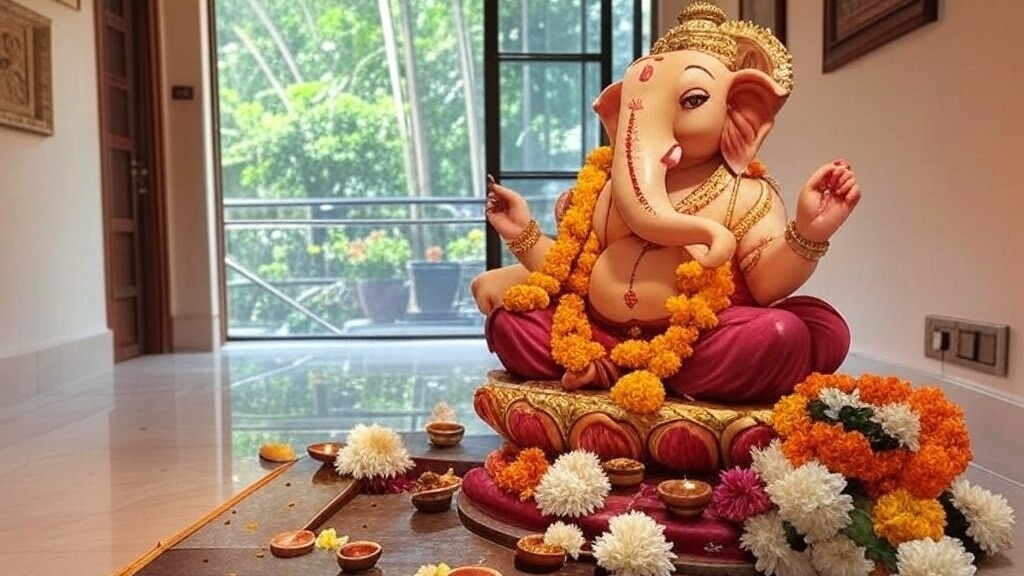
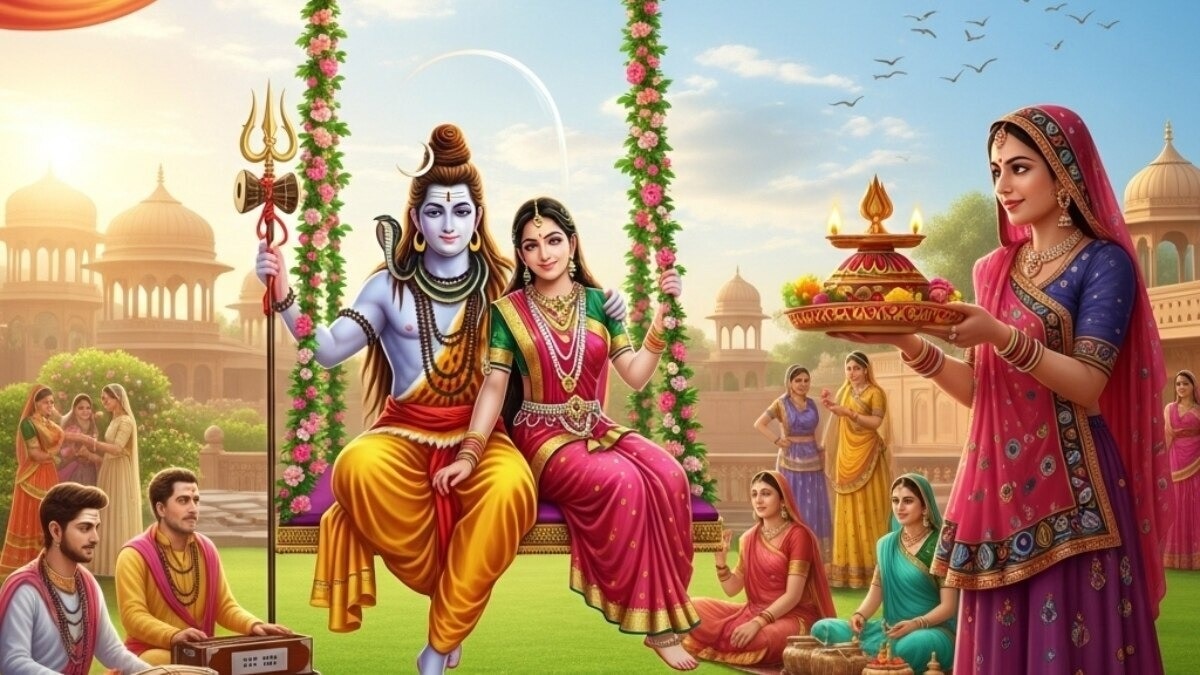
Hindu festivals in India are more than just religious rituals; they are vibrant expressions of cultural identity, social cohesion, and spiritual renewal. Explore the profound essence behind these ancient celebrations.
- Hindu festivals symbolize the eternal triumph of good over evil.
- These celebrations foster social harmony and community bonding.
- Festivals serve as a vital medium for preserving ancient traditions and arts.
India, home to one of the world's oldest continuous civilizations, is adorned with an infinite tapestry of celebrations. Hindu festivals are not merely dates on a calendar; they represent a philosophy of life, a harmony with nature, and a connection to cosmic energies. From the luminous Diwali to the vibrant Holi, every festival carries a profound mythological and scientific foundation.
A Confluence of Culture and Spirituality
In Hinduism, the importance of festivals extends far beyond ritualistic worship. These occasions are deeply intertwined with seasonal changes, agricultural cycles, and celestial alignments. For instance, while Diwali signifies the victory of light over darkness, Holi celebrates the arrival of spring and the vividness of life through colors. These festivals act as a bridge, reconnecting individuals with their families and the broader community.
Why This Matters
BozokMedia analysis shows that the socio-economic impact of these festivals in India is immense. They do not only boost the tourism sector but also serve as a primary economic driver for local artisans, weavers, and small-scale traders. Culturally, these festivities project India's 'soft power' on a global stage.
Hindu festivals guide humanity toward living in synchronicity with nature and achieving inner spiritual equilibrium.
Historically, these festivals have served as a unifying force across diverse Indian landscapes. Whether it is the harvest festival of Pongal in the South or the intense Navratri in the North, each region contributes unique traditions that reinforce the spirit of 'Unity in Diversity.'
Historical Background
References to sacred rituals and celebrations date back to the ancient Vedic period. Over millennia, these practices evolved through the integration of folk legends and regional customs, creating the rich, multi-layered cultural fabric seen in modern India.
Frequently Asked Questions
1. What is the core purpose of Hindu festivals?
The core purpose is to celebrate the victory of righteousness (Dharma) over unrighteousness and to balance the four goals of human life: Dharma, Artha, Kama, and Moksha.
2. Are these festivals purely religious?
No, they encompass significant social, cultural, and agricultural dimensions.