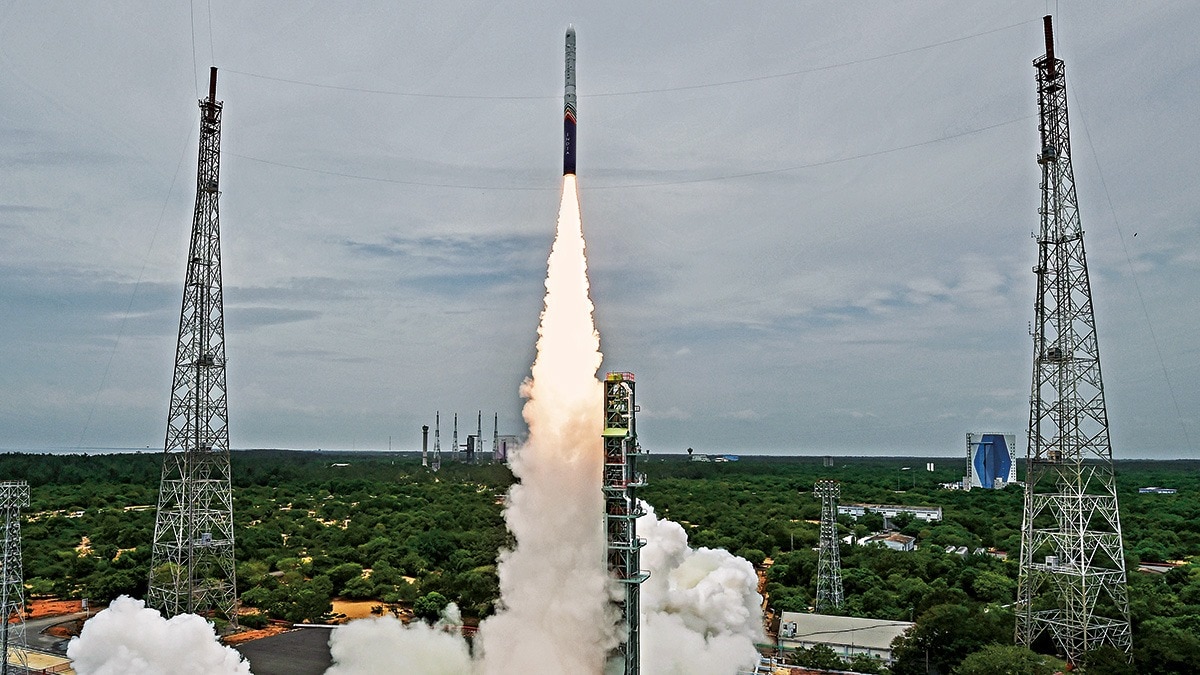
In a breathtaking display of engineering resilience, China's Long March 3B rocket survived a direct lightning strike during its ascent. The successful mission has sparked intense debate regarding launch weather protocols.
Key Takeaways
- China's Long March 3B rocket was struck by lightning during its ascent.
- Despite the electrical surge, the rocket successfully delivered its payload.
- The incident raises critical questions about weather-related launch safety rules.
A stunning moment was captured during the recent launch of China's Long March 3B rocket, where the vehicle was struck by lightning mid-ascent. The visual of the electrical discharge hitting the massive rocket sent shockwaves through the scientific community, as such an event typically spells disaster for space missions.
Resilience Amidst the Storm
Despite the intense electrical surge, the rocket continued its trajectory, ultimately fulfilling its mission to deploy a new data relay satellite into orbit. The ability of the Long March 3B to withstand such a massive discharge highlights the advanced shielding and redundant electronic systems integrated into its design. Experts are now scrutinizing how the onboard systems managed the sudden voltage spike without catastrophic failure.
Why This Matters
BozokMedia analysis shows that this incident is a double-edged sword for space agencies. While it demonstrates incredible hardware durability, it also exposes potential gaps in weather monitoring and decision-making processes during launch windows. This event will likely lead to a global re-evaluation of lightning protection protocols for heavy-lift launch vehicles.
This event proves that modern rocket engineering is increasingly capable of surviving the most unpredictable elements of nature.
The successful deployment of the satellite despite the strike has placed China's aerospace capabilities back in the spotlight. However, the incident has also prompted calls for more stringent weather-related launch criteria to ensure mission safety in an era of increasingly volatile weather patterns.
Frequently Asked Questions
1. Was the satellite damaged by the strike?
No, reports confirm that the satellite reached its intended orbit and is functioning correctly.
2. How common are lightning strikes during launches?
They are extremely rare, but they represent one of the most significant environmental risks to a rocket during the ascent phase.