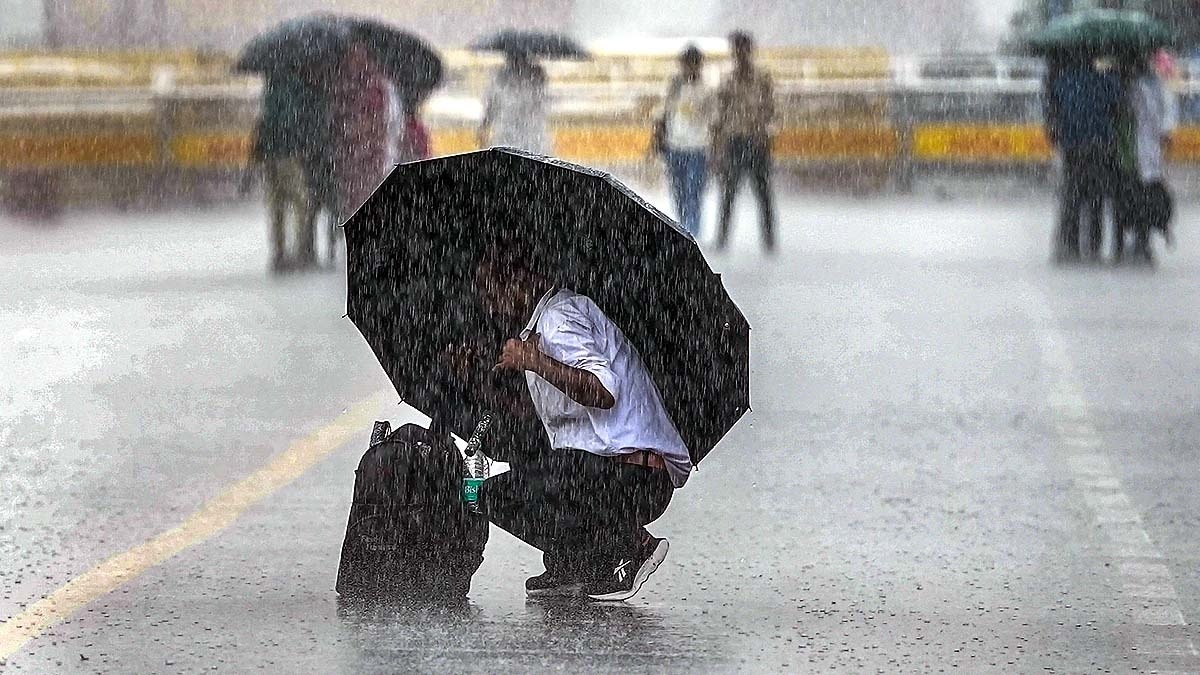
The IMD predicts below-average rainfall for August 2026 as the El Niño phenomenon continues to impact the Indian subcontinent. While IOD may offer relief, the monsoon's stability remains uncertain.
Key Takeaways
- August rainfall is expected to be less than 94% of the normal average.
- The El Niño phenomenon in the Pacific Ocean is the primary driver of lower rainfall.
- A potential positive Indian Ocean Dipole (IOD) could mitigate the impact.
- Certain regions like North-West and North-East India may see normal to surplus rain.
After a relatively productive July characterized by multiple low-pressure systems, the India Meteorological Department (IMD) has issued a cautionary forecast for August. The agency predicts that rainfall across the country may fall below the seasonal average, potentially reaching less than 94% of the typical 254.9 mm expected in August.
The El Niño Factor
The primary culprit behind this predicted deficit is the El Niño phenomenon currently active in the Pacific Ocean. Meteorological models suggest that El Niño will remain at a moderate level through August and is expected to intensify in September. Historically, El Niño is associated with suppressed monsoon activity in India, creating a challenging environment for seasonal precipitation.
Why This Matters
BozokMedia analysis shows that the volatility in monsoon patterns poses a significant risk to India's agrarian economy. A deficit in August and September could lead to depleted reservoir levels and impact the moisture availability required for critical crop cycles, potentially driving up food inflation.
The persistence of El Niño could extend well into early 2027, fundamentally altering monsoon predictability.
However, there is a silver lining in the form of the Indian Ocean Dipole (IOD). Many models suggest a shift toward a 'positive IOD' by September. A positive IOD acts as a counterbalance to El Niño, potentially enhancing rainfall across the Indian subcontinent and providing much-needed relief to water-stressed regions.
| Region | Expected Rainfall Pattern |
|---|---|
| South & Central India | Normal to Above Normal |
| North-West India | Normal to Above Normal |
| North-East & Eastern India | Likely Above Normal |
| National Average | Below Normal (<94%) |