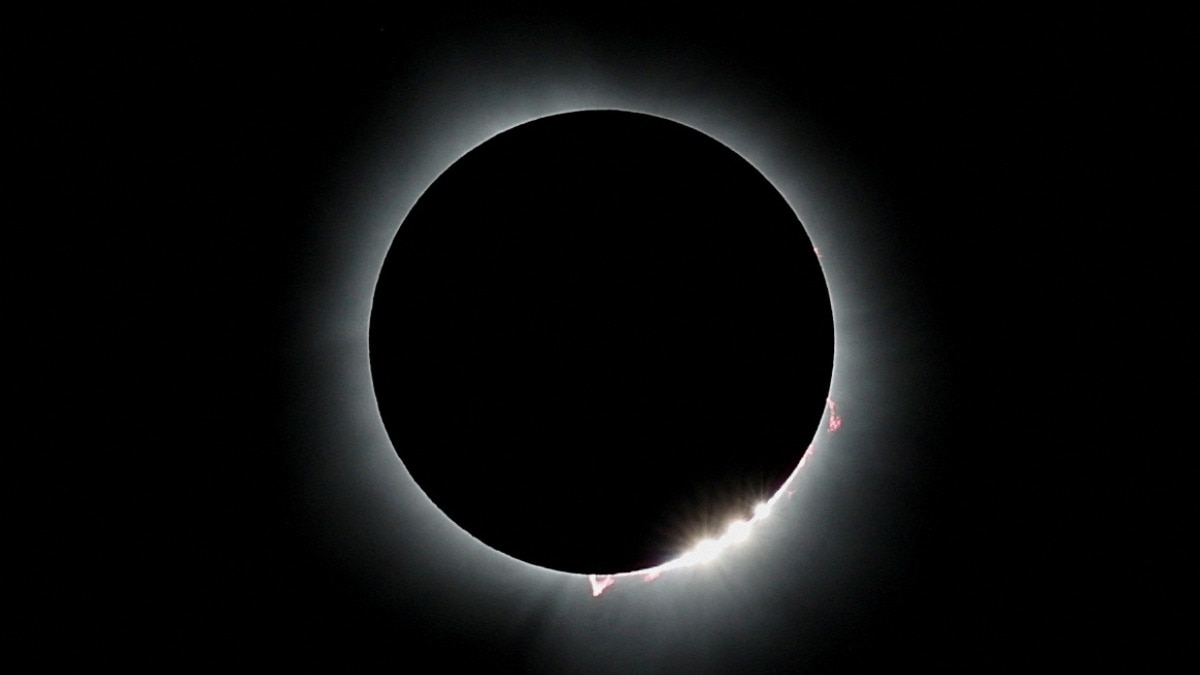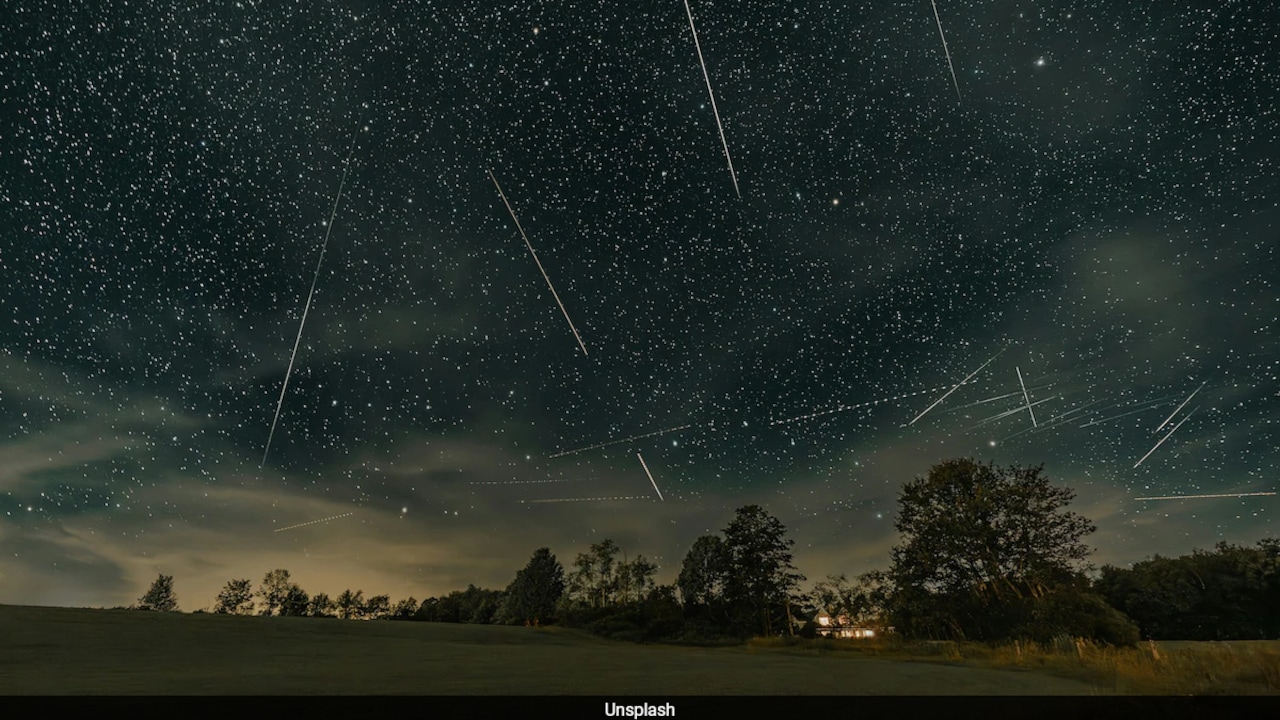
The peak of the Perseid meteor shower coincides with a total solar eclipse and a rare six-planet alignment, creating a cosmic spectacle.
Key Takeaways
- The Perseid meteor shower peaks from Wednesday night through Thursday morning.
- The event coincides with a total solar eclipse in Spain, Iceland, and Greenland.
- A rare parade of six planets will also be visible in the sky.
Prepare to look up! The highly anticipated Perseid Meteor Shower is set to reach its peak, promising to light up the night sky with brilliant fireballs. This year, the celestial display is even more extraordinary due to its timing alongside other major astronomical events.
A Cosmic Convergence
The peak of the shower, occurring between Wednesday night and Thursday morning, aligns perfectly with a total solar eclipse spanning across Spain, Iceland, and Greenland. Adding to the rarity, a magnificent parade of six planets will also be visible in the celestial arena, making this a once-in-a-lifetime viewing opportunity for stargazers worldwide.
Why This Matters
BozokMedia analysis shows that the synchronization of a meteor shower, a solar eclipse, and a planetary alignment is an extremely rare occurrence. While the solar eclipse may temporarily alter atmospheric conditions, the period immediately following totality will provide the optimal darkness required to witness the intense meteor activity.
The convergence of these events creates a unique window for both professional astronomers and amateur hobbyists to witness cosmic history.
Historical Background: The Perseids are caused by the debris trail left by the Swift-Tuttle comet. As Earth passes through this debris field, the particles collide with our atmosphere at high speeds, creating the streaks of light we recognize as meteors.
Frequently Asked Questions
Question 1: What is the best way to observe the shower?
Answer: Find a dark location away from city lights and allow your eyes at least 20-30 minutes to adjust to the darkness.
Question 2: Do I need special equipment?
Answer: No special equipment like telescopes or binoculars is required; in fact, the naked eye is the best tool for scanning the wide sky.