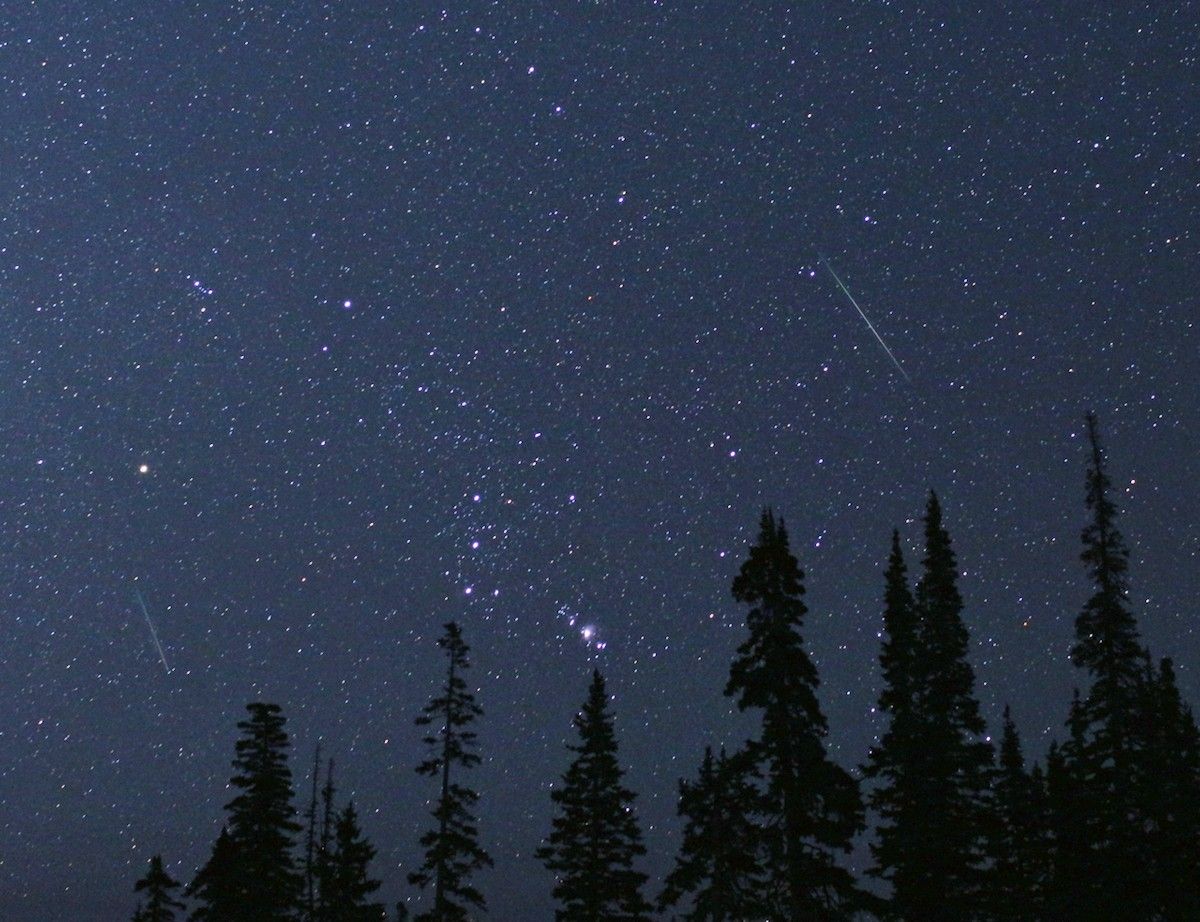
One of the year's most spectacular celestial events, the Perseid meteor shower, is reaching its peak this August. NASA will host a special livestream to bring this cosmic show directly to your screens.
Key Takeaways
- The Perseid meteor shower peaks on the night of Aug 12 into the morning of Aug 13.
- NASA will livestream the event on YouTube starting at midnight ET on Aug 13.
- Observers can see up to 50-100 meteors per hour under ideal conditions.
- A new Moon phase will provide dark skies, maximizing visibility.
The cosmos is preparing to put on a show! The Perseids, one of the brightest and most beloved meteor showers of the year, have been active since early July and will continue to illuminate the night sky through late August. The peak activity is expected on the night of August 12 into the early morning of August 13.
How to Join the NASA Watch Party
To ensure no one misses the magic, NASA is hosting a special meteor watch party via livestream on YouTube. Starting at midnight ET on August 13, experts will discuss the phenomenon, answer viewer questions, and share live feeds from the ALaMO (Automated Lunar and Meteor Observatory) at Marshall Space Flight Center. They will also provide stunning views captured from the International Space Station (ISS).
Why This Matters
BozokMedia analysis shows that events like the Perseids serve as a vital bridge between complex space science and public engagement. The presence of a new Moon this year is a significant advantage, as the lack of moonlight ensures the sky remains dark enough to witness even the faintest streaks of light.
The Perseids are a premier celestial event, renowned for producing spectacular fireballs that leave lasting impressions on skywatchers.
Historical and Mythological Context
The Perseids are among the oldest recorded meteor showers, with documented observations stretching back over 2,000 years. They derive their name from the constellation Perseus, the Greek hero who slew Medusa. While the meteors appear to radiate from this constellation, they can be seen streaking across any part of the night sky.
Frequently Asked Questions
1. Do I need special equipment to watch?
No special equipment is required; in fact, the best way to watch is with the naked eye from a dark location.
2. What are 'fireballs'?
Fireballs are exceptionally bright meteors that leave a glowing, colorful trail as they burn up in the atmosphere.

