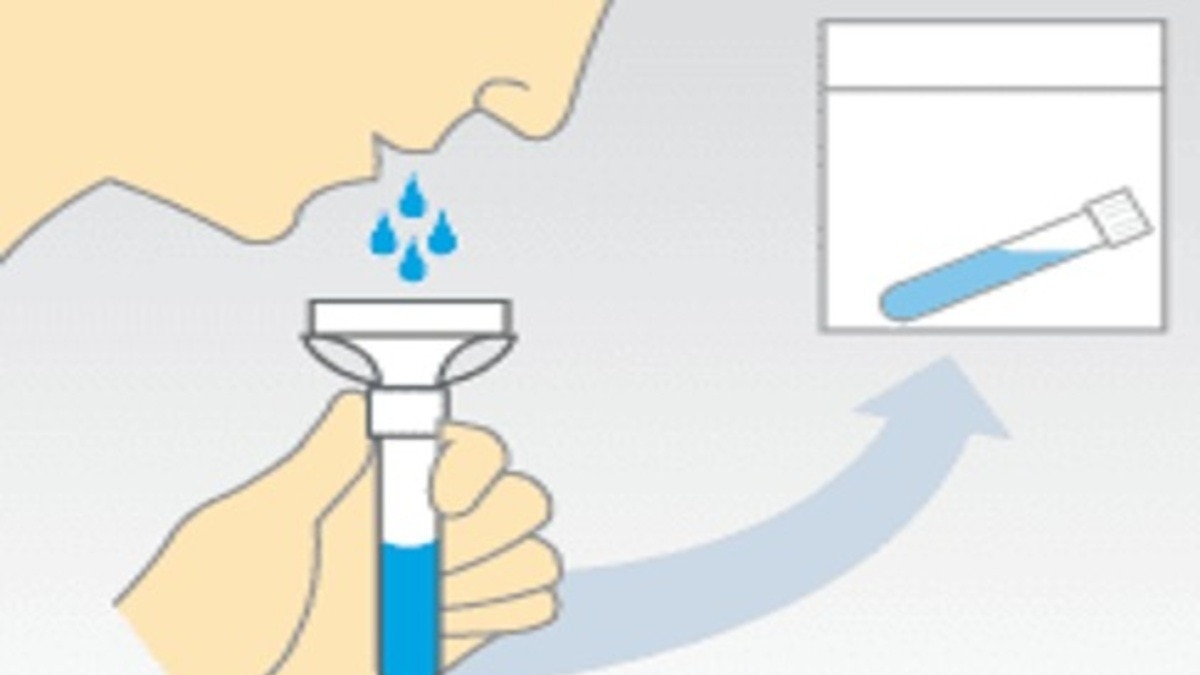
In a massive medical breakthrough, IIT Indore scientists have developed a non-invasive saliva swab test to detect oral cancer in its earliest stages without the need for painful biopsies.
Key Takeaways
- IIT Indore develops a needle-free, painless oral cancer test.
- Detection is possible using only saliva and oral swabs.
- Eliminates the need for invasive and painful biopsy procedures.
- Research published in the 'British Journal of Cancer'.
Oral cancer remains one of the most significant healthcare challenges in India. In most clinical scenarios, patients are diagnosed only when the disease has reached an advanced or terminal stage. A primary hurdle in early detection has been the reliance on 'biopsy'—an invasive procedure involving tissue sampling that can be painful and intimidating for patients.
Breaking this barrier, researchers at the Indian Institute of Technology (IIT) Indore have developed a revolutionary, needle-free, and cost-effective technology. This method allows for the detection of early-stage oral cancer signs using nothing more than a simple saliva sample and an oral swab.
Why This Matters
BozokMedia analysis shows that in a country like India, where tobacco consumption is high, early intervention is the only way to significantly reduce mortality rates. By utilizing Liquid Chromatography-Mass Spectrometry, researchers identified molecular changes in fats, energy, and oxidative stress within the saliva long before physical symptoms appear.
"Our goal is to transform complex laboratory science into a simple method like a saliva test, making painless cancer detection accessible to common patients across the nation." - Prof. Hem Chandra Jha
The research was led by Professor Hem Chandra Jha from the Mehta Family School of Biosciences and Biomedical Engineering, in collaboration with Dr. Tarun Prakash Verma and Dr. Deepak Agrawal from the Government College of Dentistry, Indore. The study's findings have been published in the prestigious British Journal of Cancer, and a patent application has already been filed.
Historical Background
Historically, cancer diagnostics have relied heavily on invasive tissue biopsies. While accurate, these methods are often expensive and inaccessible to large sections of the population in developing nations. The shift toward 'liquid biopsies'—detecting biomarkers in bodily fluids—is the next frontier in global oncology.
Frequently Asked Questions
1. Is this test invasive?
No, it is a completely non-invasive procedure that requires only a saliva swab.
2. Has this technology been patented?
Yes, the researchers have already filed a patent application for this revolutionary testing method.