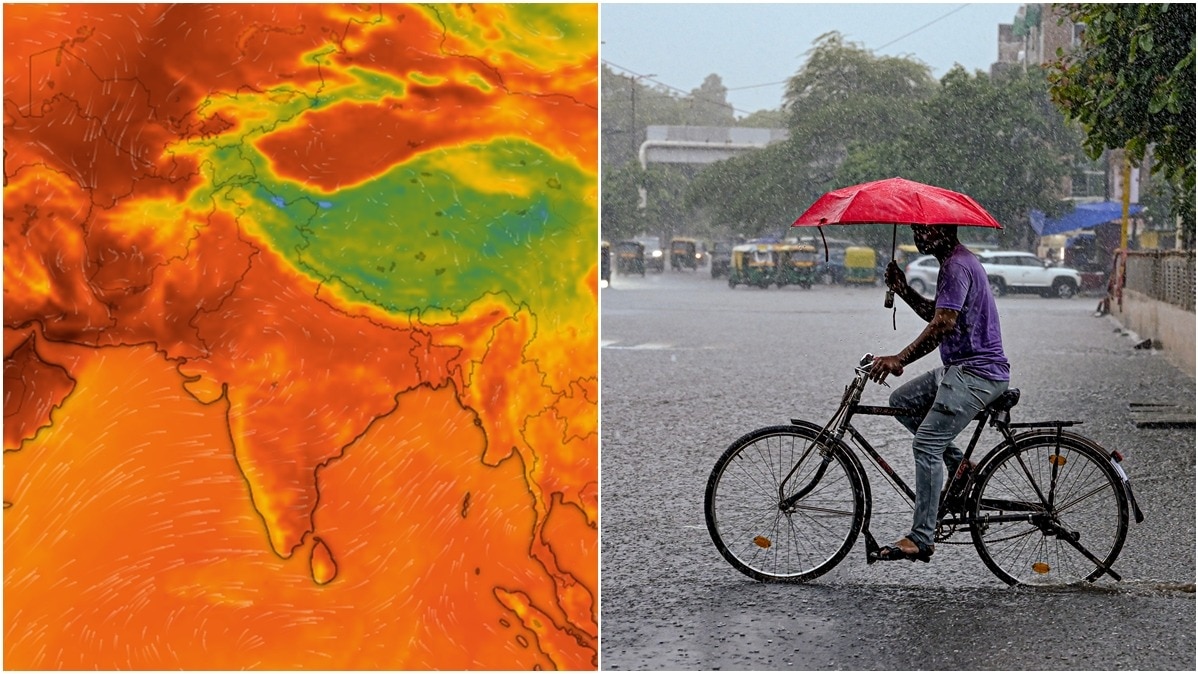
The UN's weather agency has issued a high-level warning that an intensifying El Niño could disrupt India's monsoon, leading to below-normal rainfall and drought risks.
Key Takeaways
- The WMO warns of a 'Super El Niño' strengthening between August and October 2026.
- IMD forecasts below-normal rainfall for August, at approximately 94% of the average.
- El Niño can trigger extreme heat and significantly alter global precipitation patterns.
- India's monsoon has already faced a massive 39.8% deficit in June.
India's southwest monsoon, which has already swung between severe rainfall deficits and intense bursts of rain this season, could face fresh disruption. The United Nations (UN) weather agency, the World Meteorological Organisation (WMO), has warned that El Niño is likely to intensify into a powerful event over the coming months. This comes as the India Meteorological Department (IMD) predicts below-normal rainfall for August, threatening the stability of the entire season.
According to the WMO, a 'Super El Niño' is expected to strengthen during the August-October 2026 period. Combined with exceptionally warm oceans and a likely positive Indian Ocean Dipole (IOD), this phenomenon is expected to drive above-normal temperatures globally and drastically shift rainfall patterns. While some regions may see excess rain, others face a heightened risk of severe drought.
Why This Matters
BozokMedia analysis shows that the intensification of El Niño poses a multi-dimensional threat to India. Beyond the immediate weather changes, a weakened monsoon directly impacts agricultural productivity, food security, and the broader economic stability of the nation. The volatility observed from June's massive deficit to July's recovery highlights the extreme unpredictability currently facing the climate.
El Niño has 'entered our home,' adding fuel to a planet already battered by extreme heat and wildfires.
The journey of this year's monsoon has been highly erratic. June concluded with a staggering 39.8% rainfall deficit, marking one of the driest Junes in over a century. While July saw a recovery due to active low-pressure systems, the IMD remains cautious, forecasting that August rainfall will likely hover around 94% of the Long Period Average (LPA).
Historical Background
El Niño is a natural climate pattern characterized by the warming of sea surface temperatures in the central and eastern Pacific Ocean. Although it originates thousands of kilometers away from the Indian subcontinent, its atmospheric influence is global. Historically, strong El Niño events have been closely linked to weaker Indian monsoons and widespread drought conditions across South Asia.
Frequently Asked Questions
1. How does El Niño affect the Indian Monsoon?
El Niño typically disrupts the atmospheric circulation, leading to weaker monsoon winds and reduced rainfall across much of India.
2. What is the IMD's forecast for August 2026?
The IMD expects rainfall to be below normal, estimated at about 94% of the long-term average.