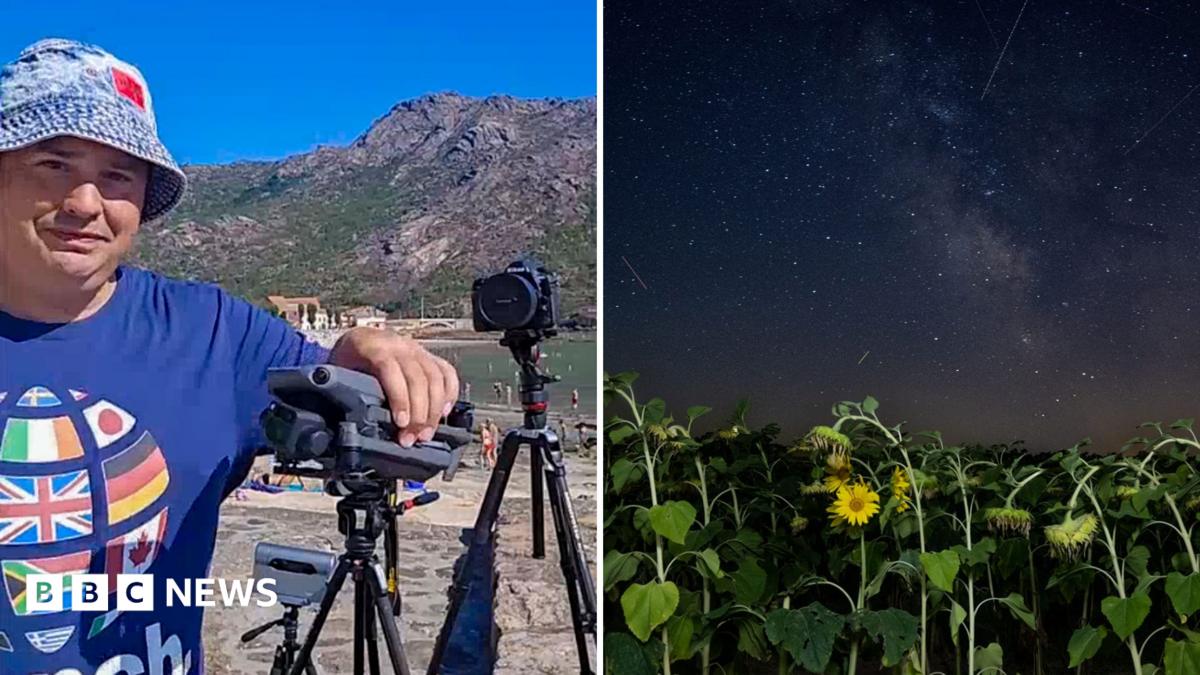
Prepare for a celestial spectacle as the Perseid meteor shower approaches, promising up to 100 meteors per hour during its peak in mid-August.
Key Takeaways
- Expect between 50-100 meteors per hour during the peak.
- The optimal viewing window is the night of August 12-13.
- A new moon phase will provide darker skies for better visibility.
The cosmos is preparing to put on a massive show. In less than a week, skywatchers can witness a spectacular display of light as the Perseid Meteor Shower reaches its zenith. This annual event is widely regarded by NASA as one of the most reliable and visually stunning meteor showers of the year.
The Science Behind the Show
The phenomenon occurs when Earth passes through the debris trail left behind by the Comet Swift-Tuttle. As these tiny particles of space dust collide with Earth's atmosphere at high speeds, they incinerate, creating the streaks of light we recognize as meteors. This year, the show promises extra brilliance with 'fireballs'—intense, bright meteors caused by larger chunks of cometary material.
Why This Matters
BozokMedia analysis shows that atmospheric conditions are perfectly aligned for this year's viewing. Because the new moon phase begins this Wednesday, the lack of lunar glare will result in much darker skies. This is a critical factor for astronomers, as darker skies allow for the detection of fainter meteors that would otherwise be washed out by moonlight.
The Perseids offer a rare window into the history of our solar system, as we literally watch cometary remnants burn up in our atmosphere.
Viewing Tips and Locations
For those in Oregon, organizations like OMSI are hosting dedicated watch parties in state parks. However, you don't need specialized equipment like telescopes or binoculars to enjoy the view; in fact, the naked eye is often the best tool for scanning the wide sky.
| Feature | Details |
|---|---|
| Peak Timing | 12:00 AM - 4:00 AM |
| Best Conditions | Away from city lights (Dark Skies) |
| Direction | Look towards the constellation Perseus |
Frequently Asked Questions
1. Do I need a telescope to see the Perseids?
No, telescopes actually narrow your field of view. It is much better to lie down and scan the entire sky with your naked eyes.
2. When is the absolute best time to watch?
The pre-dawn hours, specifically between midnight and 4 AM, offer the highest frequency of meteors.