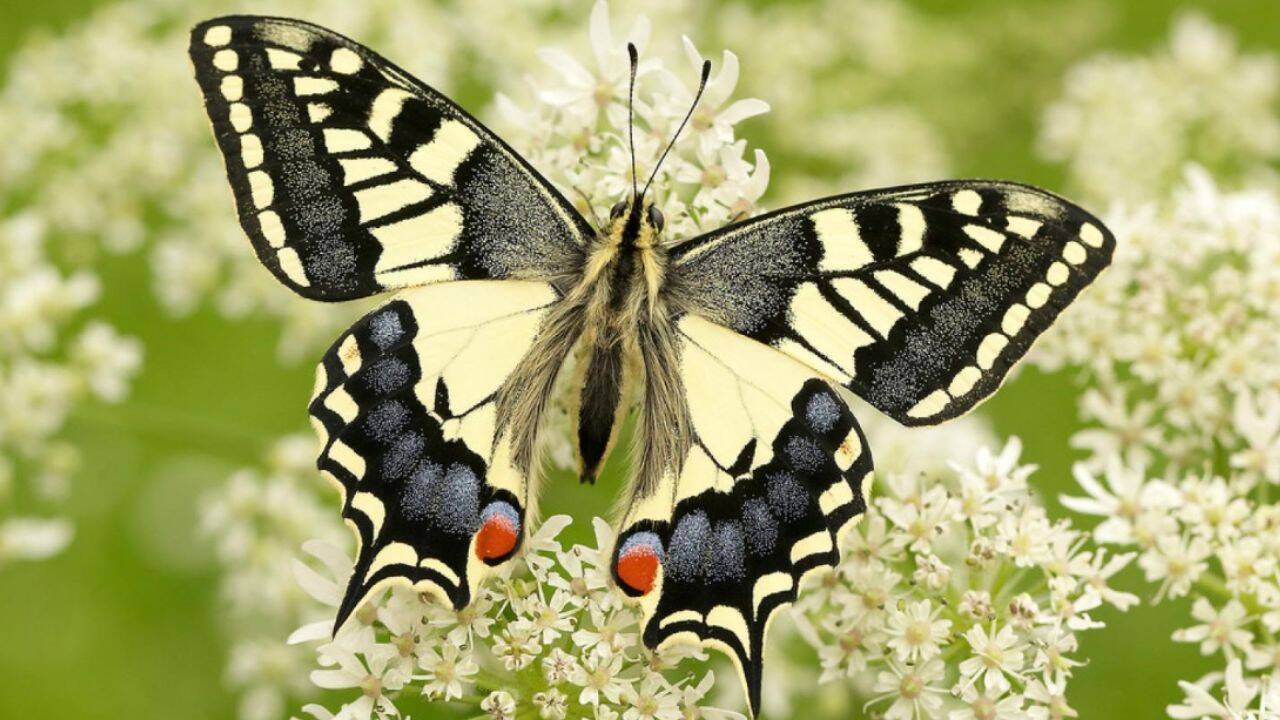
A new genomic study confirms that the British swallowtail (Papilio machaon britannicus) carries a distinct genetic makeup compared with its European relatives. While its genetic diversity is markedly lower, harmful mutations have not accumulated, yet rising inbreeding levels threaten its long‑term survival.
Key Takeaways
- British swallowtail exhibits significantly reduced genetic diversity versus European subspecies
- No buildup of deleterious mutations despite prolonged isolation
- Elevated inbreeding poses a serious risk to future viability
The British swallowtail butterfly (Papilio machaon britannicus) is confined to a handful of coastal dunes and estuarine habitats across the United Kingdom. First recorded in the 19th century, its genome has remained largely uncharted—until now. The new paper, a collaboration among several international genomics institutes, sequenced the DNA of this rare lepidopteran and benchmarked it against continental European swallowtails.
Background & Methodology
Researchers sampled over 30 individuals, applying high‑throughput sequencing and state‑of‑the‑art bioinformatics pipelines to assess allele richness, mutation load, and inbreeding coefficients. The analysis revealed a roughly 40 % drop in heterozygosity relative to mainland populations, reflecting the species’ restricted range and historic bottlenecks.
Key Findings
The most striking result was the absence of a detectable increase in deleterious mutations, suggesting that purifying selection remains effective even in a small, isolated gene pool. Conversely, the inbreeding coefficient (FIS) was markedly elevated, flagging potential future declines in fitness, reproductive success, and disease resistance.
Conservation Implications
These insights compel conservationists to look beyond habitat protection alone. Managed gene flow—through carefully planned translocations or captive‑breeding programs—could mitigate inbreeding depression. The study underscores how genomic data can furnish policymakers with concrete, science‑based levers for safeguarding vulnerable insect populations.
Future Directions
Ongoing work will explore how climate change and land‑use pressures might further erode genetic health, while parallel genomic surveys of similarly restricted species could generate a broader framework for biodiversity preservation.