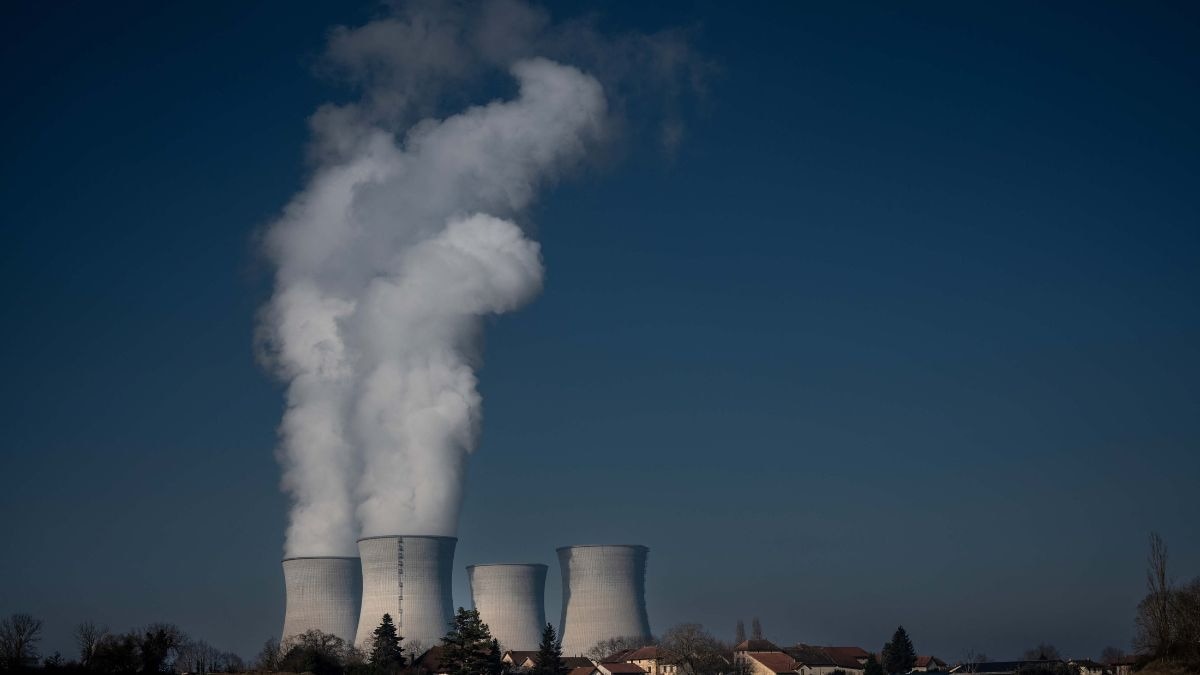
France has temporarily halted several nuclear reactors as an unprecedented heatwave pushes temperatures and river levels to critical lows. The move underscores growing safety concerns and a shift in energy policy toward climate resilience.
Key Takeaways (मुख्य बिंदु)
- Extreme ambient temperatures raise safety risks for reactor operations.
- Reduced river water levels impair cooling systems.
- France is pivoting its energy strategy to address climate‑driven challenges.
France, Europe’s largest consumer of nuclear power, announced the shutdown of multiple reactors this week. The decision was driven by a severe heatwave that saw temperatures soar above 40 °C and river flows, especially the Rhône and the Marne, dip to historically low levels.
Background Context
During the peak of the heatwave, the primary cooling water sources for French nuclear plants—major rivers that feed the cooling circuits—were insufficient. When water volume drops, the ability to extract heat from the reactor core diminishes, creating a risk of overheating.
Technical Drivers
Nuclear reactors rely on massive quantities of water to maintain safe operating temperatures. International nuclear safety bodies advise that if cooling water cannot meet design specifications, reactors must be taken offline until conditions improve. French regulators followed this protocol, citing potential core temperature excursions as the primary concern.
Water Security and Environmental Impact
The heatwave’s impact extends beyond power generation. Diminished river levels affect agriculture, drinking‑water supplies, and ecosystems. French authorities have acknowledged that water scarcity and energy security are now interlinked challenges, prompting a review of cooling technologies that can operate under reduced water availability.
Future Policy Directions
France’s Ministry of Energy announced plans to retrofit upcoming reactor designs with more resilient cooling systems, including air‑cooled and hybrid solutions. Simultaneously, the nation is accelerating its renewable‑energy rollout to reduce reliance on water‑intensive nuclear power during extreme weather events.
Overall, the temporary shutdowns highlight how climate change is reshaping the operational landscape for nuclear facilities worldwide. France’s response serves as both a cautionary tale and a blueprint for other nations grappling with similar heat‑induced risks.