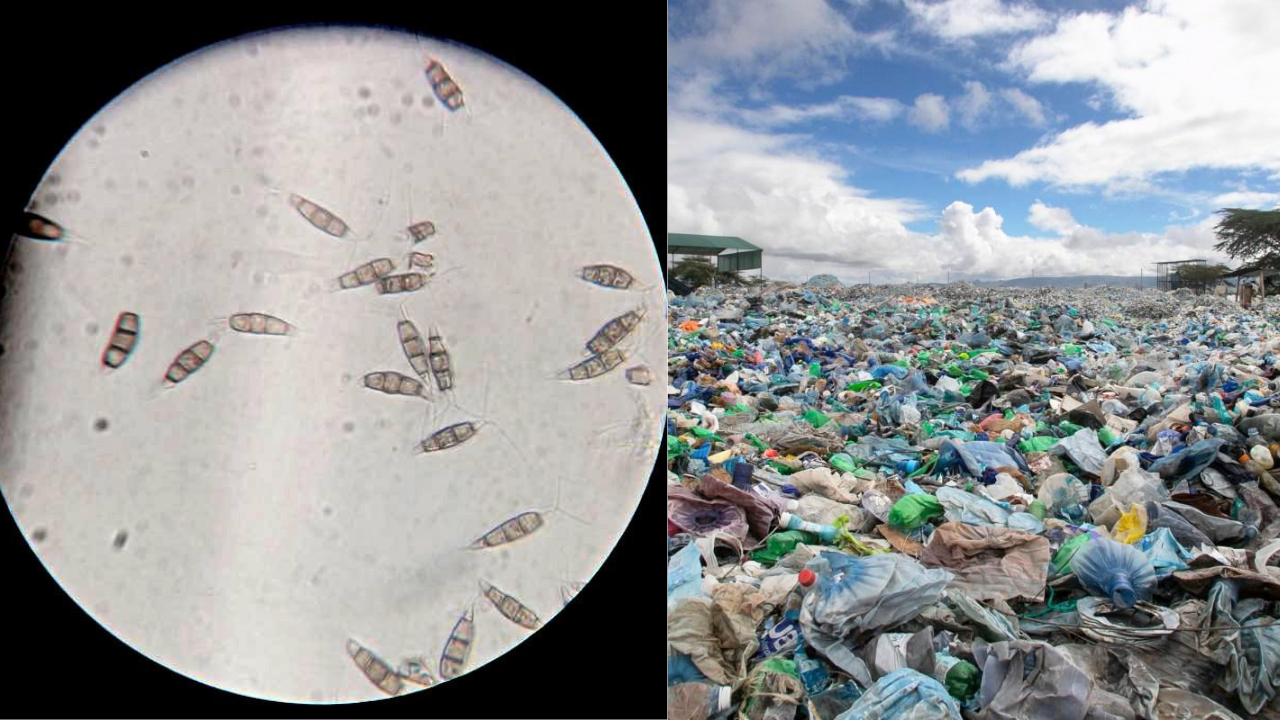
Researchers have identified a unique fungus from the Amazon rainforest capable of breaking down plastic in anaerobic environments. This groundbreaking discovery offers a potential biological solution to the world's growing plastic pollution crisis, especially in oxygen-deprived landfills.
Key Takeaways
- Scientists have identified the Amazonian fungus *Pestalotiopsis microspora*, which is capable of digesting polyurethane.
- The fungus can survive and degrade plastic in anaerobic (oxygen-free) conditions, making it highly unique.
- This discovery could revolutionize waste management, bioremediation, and landfill clean-up operations globally.
In a major breakthrough for environmental science, researchers have discovered a remarkable species of fungus in the Amazon rainforest that can consume and degrade plastic. Crucially, this biological process can occur in the complete absence of oxygen. The fungus, known as Pestalotiopsis microspora, presents a highly promising and natural solution to one of the most pressing environmental challenges of the modern era: plastic pollution.
The Science of Plastic Digestion
Polyurethane is a widely used plastic polymer found in everything from synthetic fibers and foam insulation to garden hoses and footwear. Because of its complex chemical structure, polyurethane is notoriously difficult to degrade, often persisting in landfills for hundreds of years. However, scientists have discovered that *Pestalotiopsis microspora* secretes unique serine hydrolase-like enzymes. These enzymes efficiently break down the chemical bonds of polyurethane, allowing the fungus to use the plastic as its primary carbon and energy source.
Why the Anaerobic Capability is a Game-Changer
What makes this discovery truly revolutionary is the fungus's ability to thrive and degrade plastic under anaerobic (oxygen-free) conditions. Most biological degradation processes require oxygen to function. However, the deepest layers of garbage landfills and the bottom of our oceans are virtually devoid of oxygen. Because this Amazonian fungus does not require oxygen to digest plastic, it could be deployed at the very bottom of waste disposal sites and deep-sea environments where traditional waste management solutions fail.
A Leap Forward for Bioremediation
Currently, the world produces millions of tons of plastic waste annually, much of which is incinerated—releasing toxic gases—or buried in landfills. Utilizing living organisms like fungi to clean up contaminated environments, a process known as bioremediation, offers a clean, sustainable, and eco-friendly alternative. If scaled successfully, this fungal digestion method could significantly reduce the volume of plastic waste choking our planet without producing harmful secondary pollution.
Future Outlook and Scaling Challenges
While the laboratory results are highly encouraging, transitioning this discovery into a viable industrial-scale solution remains a challenge. Scientists are currently researching ways to optimize the rate of degradation and ensure that introducing this fungus into non-native environments does not disrupt local ecosystems. Genetic engineering may also play a role in the future to enhance the efficiency of these plastic-eating enzymes for commercial waste processing facilities.