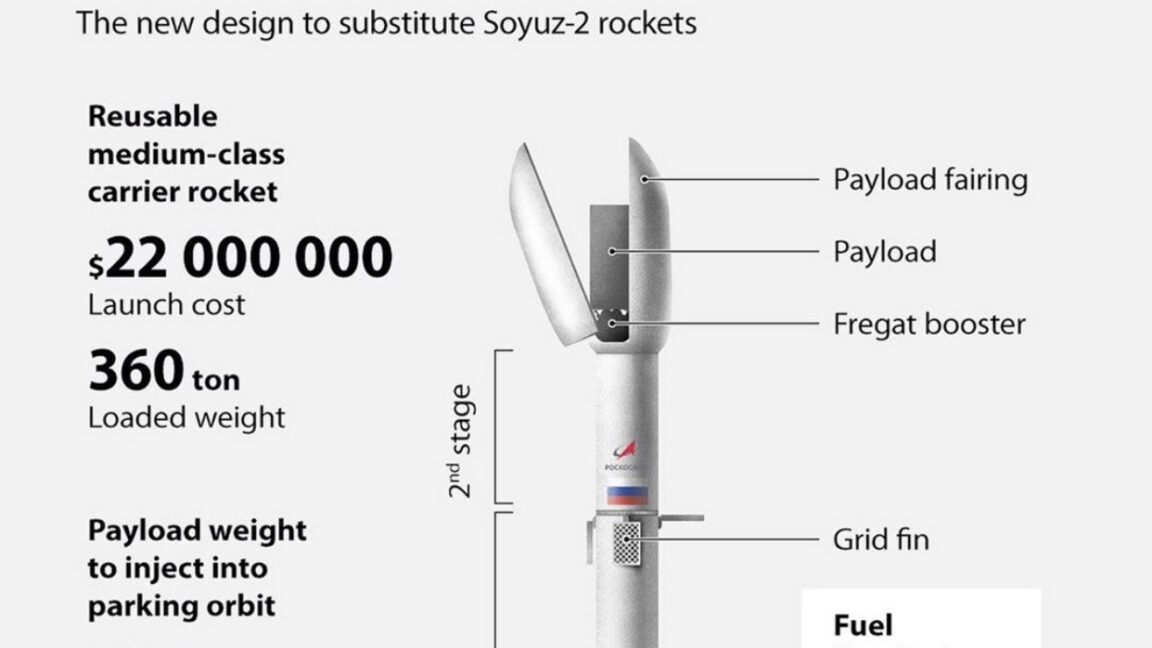
China, Japan and the US are rapidly advancing reusable rocket tests, while Russia’s Falcon‑9‑class vehicle may start its first hop‑like trials in 2028. The surge reshapes space competition worldwide.
Key Takeaways
- China successfully recovered its booster; Japan is conducting hop‑tests.
- SpaceX and Blue Origin regularly launch and land reusable rockets.
- Russia could begin Grasshopper‑style testing of its Falcon‑9 counterpart in 2028.
Historical Background
The concept of reusable launch vehicles dates back to NASA’s Space Shuttle era in the 1970s, where only limited components were recovered due to high refurbishment costs. The breakthrough came in 2015 when SpaceX landed the first Falcon‑9 booster, birthing a commercial era of rapid turn‑around launches.
Since then, the United States has led with SpaceX’s Falcon‑9 and Blue Origin’s New Glenn, while Asian players have accelerated: China’s Long March family achieved its first orbital launch with a booster return in 2023, and Japan’s JAXA has begun hop‑tests that mimic vertical take‑off and landing (VTVL) techniques.
Why This Matters (इसके मायने क्या हैं)
BozokMedia analysis shows that reusable rockets slash launch costs by up to 40 %, unlocking affordable access for smaller nations, private firms, and ambitious scientific missions. Lower costs translate into more frequent satellite deployments, deeper lunar research, and faster commercial space services.
If Russia successfully fields a Falcon‑9‑style reusable vehicle, it could rebalance the current US‑China dominance in orbit. A competitive Russian program would stimulate new partnerships, diversify supply chains, and potentially drive further innovation across the global space sector.
"Reusable launch systems are the cornerstone of sustainable space exploration," remarks aerospace analyst Dr. Elena Pavlova.
| Country | Reusable Program | Key Milestone |
|---|---|---|
| United States | SpaceX – Falcon 9 | Over 30 successful landings since 2015 |
| United States | Blue Origin – New Glenn | First full‑scale booster landing test completed |
| China | Long March – Reuse Prototype | Orbital launch with booster recovery in 2023 |
| Japan | JAXA – Hop Tests | Vertical take‑off and landing simulations |
Frequently Asked Questions (अक्सर पूछे जाने वाले प्रश्न)
When will Russia launch its reusable rocket? Current roadmaps suggest Grasshopper‑style hop tests could start in 2028, with a full launch‑land cycle projected around 2030.
Is reusable rocket technology accessible to all countries? While the high‑tech barrier remains steep, decreasing launch costs and shared expertise are gradually opening the field to emerging space nations.