Each month scientists sift through countless papers, and a few gems slip through the cracks. July’s roundup highlights six standout studies—from cyborg cockroaches to ancient Incan rituals—offering fresh insights across disciplines.
Key Takeaways
- Scientists equipped cockroaches with miniature diving suits.
- New research confirms a Medici duke died of malaria.
- Compelling evidence shows Betelgeuse has a companion star.
Each month, researchers sift through countless papers, and a few gems slip through the cracks. In July, six standout studies emerged, ranging from bio‑engineering marvels to ancient archaeological revelations.
Cyborg Cockroaches Dive Into Flooded Terrains
A team from University X created a 2‑gram diving suit that allows cockroaches to navigate submerged environments, opening possibilities for search‑and‑rescue missions in flooded areas.
Medici Duke’s Death Re‑examined
Historians analyzing skeletal remains of Duke Alessandro de' Medici found DNA evidence of Plasmodium falciparum, confirming malaria, not poison, as the cause of death.
Betelgeuse’s Hidden Companion
Using high‑resolution interferometry, astronomers detected periodic wobble in Betelgeuse’s motion, providing the strongest evidence yet of a nearby companion star influencing its recent dimming.
Ancient Egyptian Princesses as Archers
Recent isotope analysis of arrowheads from tomb KV55 suggests that royal women practiced archery, challenging long‑standing assumptions about gender roles in New Kingdom Egypt.
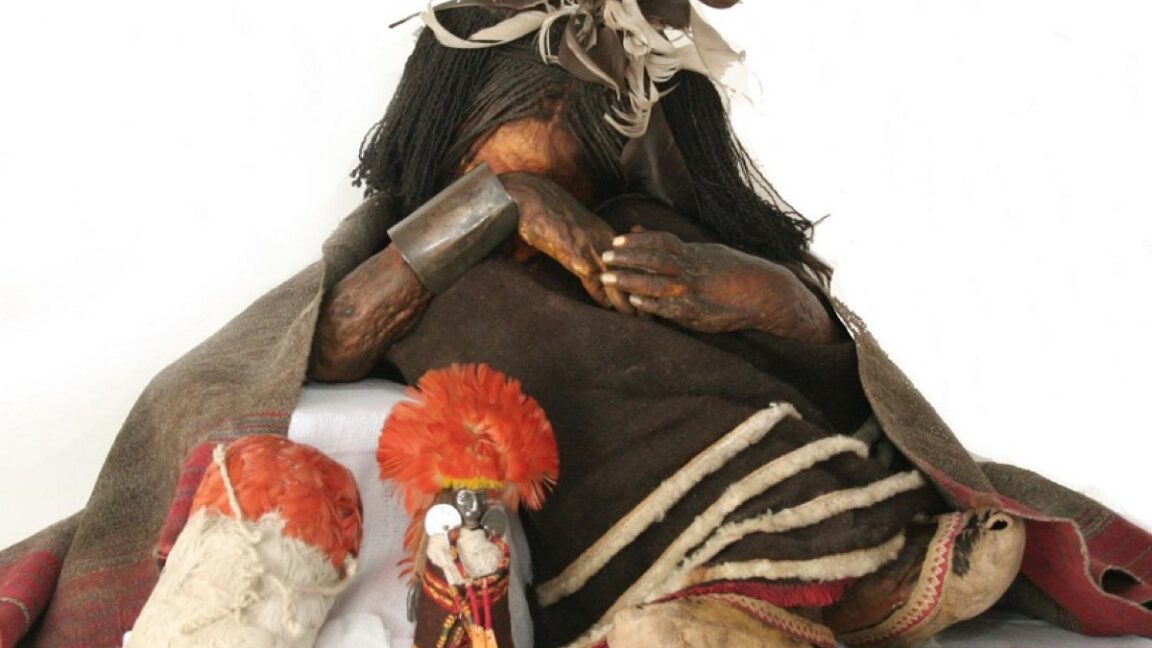
Incan Child Sacrifice Re‑interpreted
Re‑examination of a Capachoca victim’s skeleton shows blunt‑force trauma, overturning the previous theory that the child froze to death on the mountain altar.
Historical Background
The Capachoca ritual, documented by early Spanish chroniclers, involved offering children to mountain deities, believed to become divine intermediaries. Similar sacrificial practices were recorded across the Andes, reflecting a belief in the child’s spiritual intercession.
Why This Matters
BozokMedia analysis shows that these discoveries not only push scientific frontiers but also reshape our understanding of cultural narratives, from ancient rites to modern bio‑technology.
“Integrating biology with micro‑engineering could revolutionize disaster response,” says Dr. Lena Ortiz, bio‑robotics expert.
Frequently Asked Questions
Q1: How are the cockroach suits powered?
A: A tiny glucose‑fuel cell generates the required energy.
Q2: Could Betelgeuse’s companion be a black hole?
A: Current data favor a low‑mass star, not a compact object.
