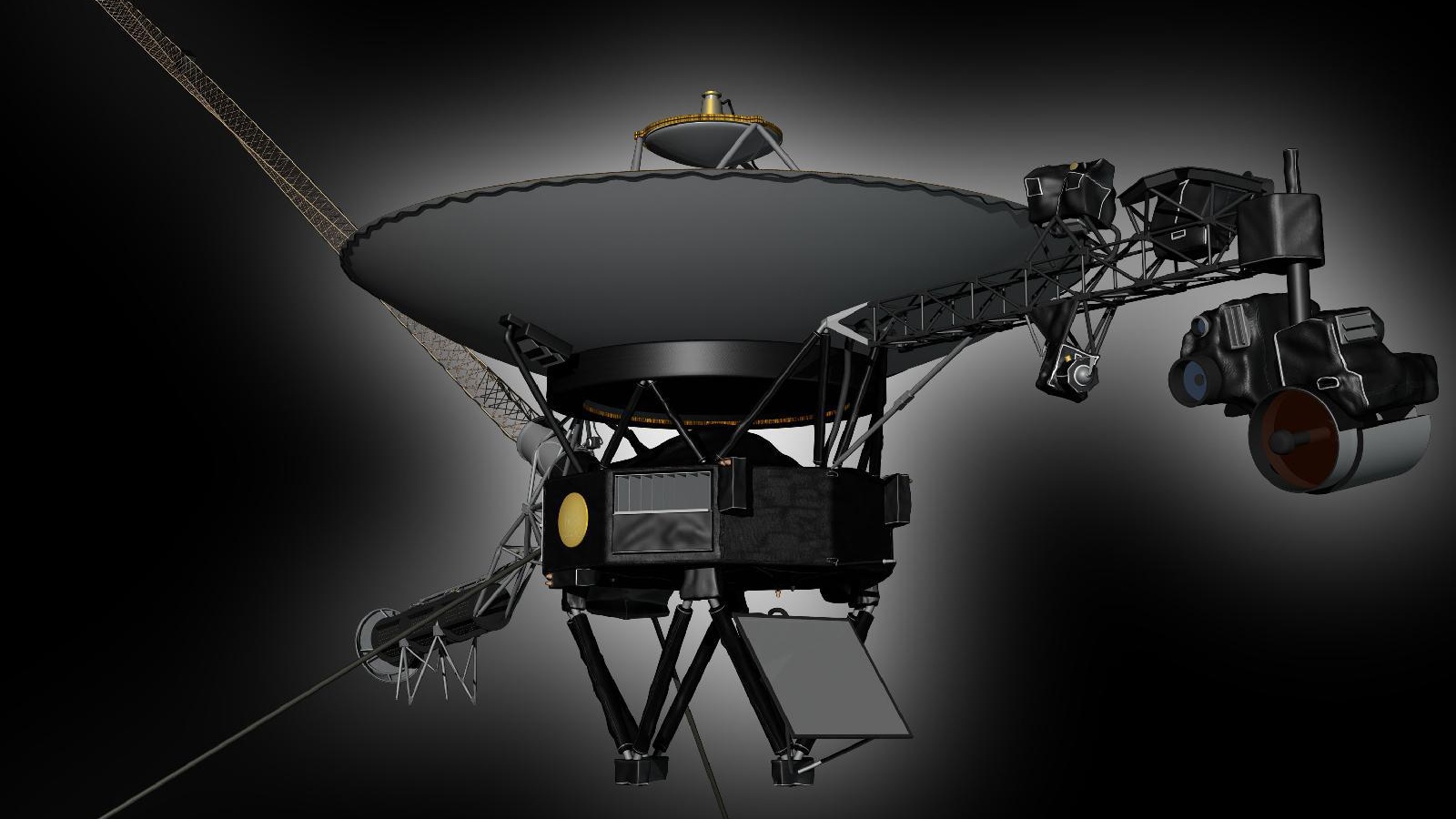
NASA engineers have successfully implemented a groundbreaking 'Big Bang' power-saving upgrade on the Voyager 2 spacecraft. This reconfiguration extends the historic mission by at least another year, ensuring continued data collection from interstellar space.
Key Takeaways
- NASA implemented the 'Big Bang' power-saving reconfiguration on Voyager 2.
- The upgrade extends the spacecraft's scientific mission by at least one year.
- Voyager 2 is currently 21.35 billion km away from Earth.
- NASA plans to apply similar upgrades to Voyager 1 next.
NASA engineers have successfully reconfigured the onboard power systems of the iconic Voyager 2 spacecraft through an ambitious upgrade known as the 'Big Bang' fix. This technical triumph allows the nearly 49-year-old probe to continue transmitting vital scientific data from the depths of interstellar space.
Currently positioned approximately 21.35 billion kilometers (13 billion miles) from Earth, Voyager 2 remains one of the most distant human-made objects in existence. Originally launched in 1977 for a mere five-year mission, the spacecraft has defied expectations by operating for nearly half a century.
Why This Matters
BozokMedia analysis shows that as the spacecraft's Radioisotope Thermoelectric Generators (RTGs) lose roughly 4 watts of power annually, every bit of energy conservation is critical. This upgrade is not just about keeping a machine running; it is about preserving our only window into the environment beyond our solar system.
'The feeling of realizing we extended the science return by two years or more was pure fulfillment and delight.'
The 'Big Bang' fix involved a strategic trade-off: engineers deactivated two dedicated heaters and a digital tape recorder that were primarily used for heat generation. In their place, they activated more efficient components that provide necessary warmth while consuming significantly less electricity. This allows the three remaining science instruments to stay operational for much longer.
Historical Background
Launched in August 1977, the Voyager twins were designed to conduct flybys of the outer planets. As they moved beyond the heliosphere, they transitioned from planetary explorers to interstellar pioneers, providing the first direct measurements of the space between the stars.
Frequently Asked Questions
1. Why is Voyager 2 losing power?
The spacecraft relies on decaying plutonium for energy, and as the fuel decays, the electrical output steadily decreases.
2. What is the next step for NASA?
NASA is preparing to perform similar thermal and power tests on Voyager 1 to extend its mission as well.
