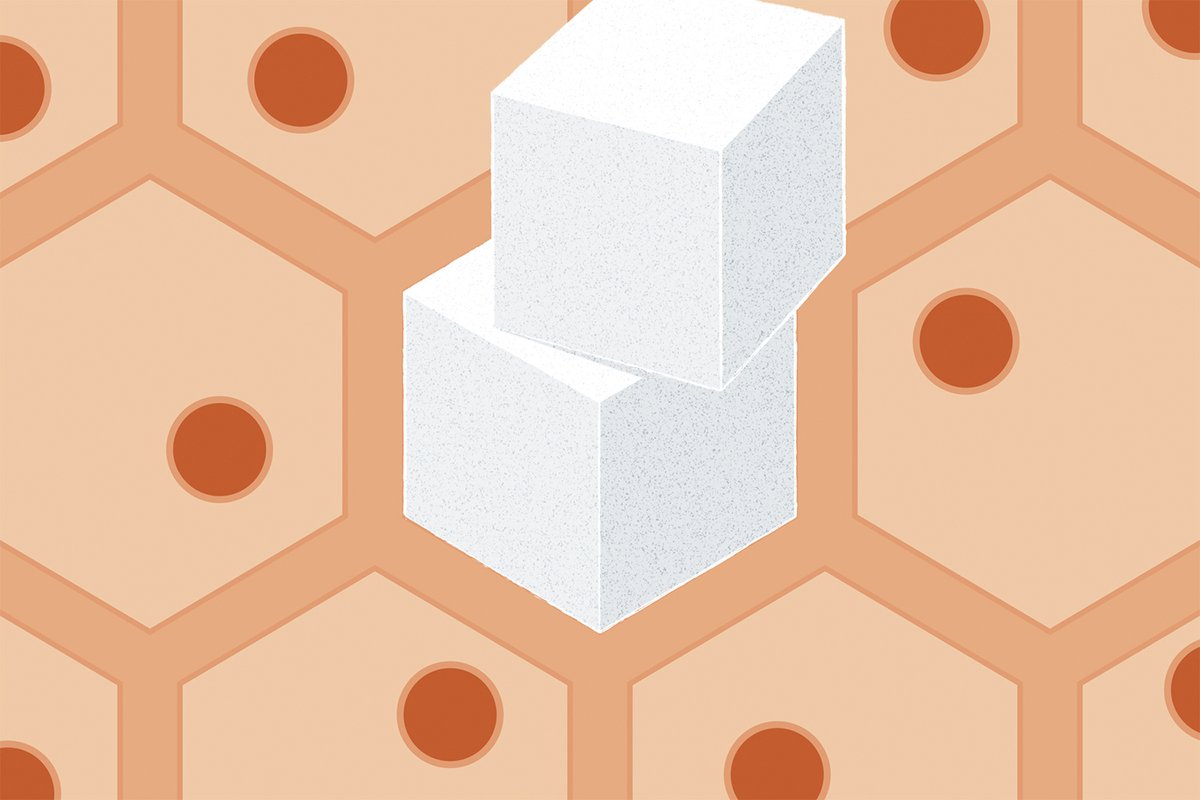
Researchers have finally decoded the mystery of Metformin, discovering that the drug transforms gut cells into a 'sugar sink' to lower blood glucose levels. This breakthrough challenges long-held beliefs about how diabetes medication works.
Key Takeaways
- Metformin increases glucose absorption in the intestines, acting as a 'sugar sink.'
- The drug inhibits mitochondrial oxygen use in gut cells.
- This inhibition forces cells to use more glucose to produce energy via alternative pathways.
- The discovery provides a new understanding of metabolic regulation.
For decades, Metformin has been a cornerstone in the treatment and prevention of type 2 diabetes in the United States. However, its precise mechanism of action remained a subject of intense scientific debate. Recent studies have finally provided clarity, revealing that the drug fundamentally alters how the gut processes sugar.
The Gut as a Sugar Sink
New research led by mitochondrial biologist Navdeep Chandel at Northwestern University demonstrates that Metformin transforms gut cells into a high-capacity glucose consumer. Rather than just suppressing glucose production in the liver, the drug prompts the intestines to absorb massive amounts of sugar from the bloodstream.
The Mitochondrial Connection
The study explains that when Metformin accumulates in the gut, it blocks mitochondria from effectively using oxygen. This interruption in cellular respiration forces the cells to switch to an alternative metabolic pathway. To compensate for the lack of efficient oxygen-based energy production, these cells consume significantly more glucose to maintain energy levels.
Why This Matters
BozokMedia analysis shows that this discovery shifts the paradigm of metabolic pharmacology. By understanding that Metformin targets cellular respiration in specific tissues, scientists can develop more precise interventions that manipulate metabolism without the systemic toxicity often associated with mitochondrial inhibitors.
Inhibiting mitochondria may be beneficial when it is done in the right cells, for the right amount of time, without exposing the whole body to toxicity.
Frequently Asked Questions
1. How does Metformin lower blood sugar?
It causes gut cells to absorb more glucose from the blood by altering their energy production pathways.
2. Does this mean the old theory about the liver was wrong?
Not necessarily wrong, but incomplete. The gut plays a much more active role in glucose regulation than previously understood.