As the International Space Station nears retirement, NASA’s Johnson Space Center is overhauling its training and mission‑control operations to support upcoming commercial habitats in low‑Earth orbit. The agency’s Commercial LEO Destinations program aims to integrate private stations while preserving NASA’s expertise.
- ISS expected to operate until around 2030, with possible congressional extensions.
- NASA’s Commercial LEO Destinations (CLD) program has allocated roughly $415 million to private partners.
- Johnson Space Center facilities such as Building 9 and the Neutral Buoyancy Laboratory are being adapted for commercial crew training.
ISS Retirement and NASA’s Transition
The International Space Station (ISS) is slated to remain operational until about 2030, though Congress could extend its life. As the station approaches retirement, NASA is reshaping Johnson Space Center from a government‑centric program to a partner that works alongside private orbital stations.
Commercial LEO Destinations (CLD) Program
In 2021, NASA awarded early‑stage contracts worth about $415 million to teams led by Nanoracks, Blue Origin and Northrop Grumman. Northrop Grumman later joined Voyager Space’s Starlab effort, stepping away from independent CLD development. The CLD initiative aims to have commercial stations ready as the ISS phases out.
Mission Control’s Evolving Role
Johnson Space Center’s Mission Control continues to manage ISS, Artemis and Boeing’s Starliner missions, but it will also provide expertise and support to private operators of future stations. Flight director Diane Dailey says upcoming control centers will need specialists in propulsion, communications and computing—areas where NASA already has deep experience.
Building 9 and Commercial Training
The Space Vehicle Mockup Facility, known as Building 9, is increasingly used by commercial spaceflight firms alongside NASA missions. Hardware from SpaceX, Blue Origin and the Starlab consortium has already been housed there, signaling NASA’s shift toward becoming a customer of future private stations.
Neutral Buoyancy Laboratory (NBL) Remains Central
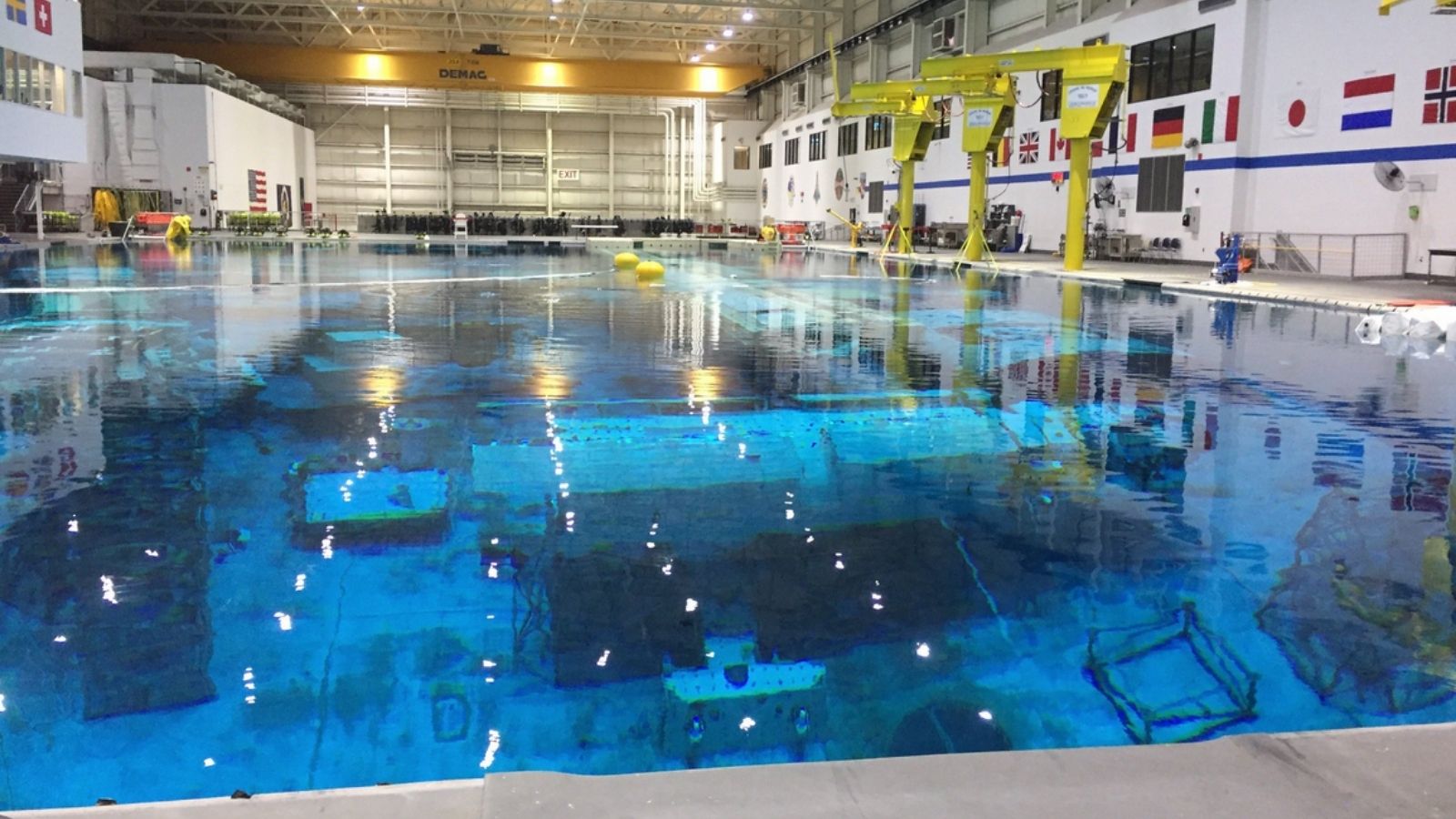
The NBL, where astronauts practice underwater spacewalks, also hosts private‑company activities such as spacesuit testing. As the ISS program winds down, NASA plans to expand commercial services at NBL, although much of its current spare capacity is occupied by the U.S. Navy.
Looking Ahead
With the ISS era drawing to a close, NASA’s Houston facilities are evolving from a primarily government‑focused hub into a versatile center that can support international crews and a growing commercial space industry.
Why This Matters
BozokMedia analysis shows that the shift from a single, government‑run orbital platform to a multi‑operator ecosystem will redefine crew safety standards, spur innovation in low‑Earth‑orbit habitats, and keep the United States at the forefront of commercial spaceflight.
"NASA’s expertise will become the backbone of private space stations, ensuring reliability while fostering competition," says Dr. Ananya Rao, aerospace policy analyst.
Frequently Asked Questions
Q1: When will the ISS be retired and what will replace it?
A: The ISS is planned to operate until roughly 2030, with possible extensions by Congress. Private stations emerging from the CLD program are expected to fill the gap.
Q2: How will private companies gain access to NASA’s training facilities?
A: Facilities like Building 9 and the Neutral Buoyancy Lab will be opened for commercial hardware testing and crew training, alongside existing NASA and military uses.