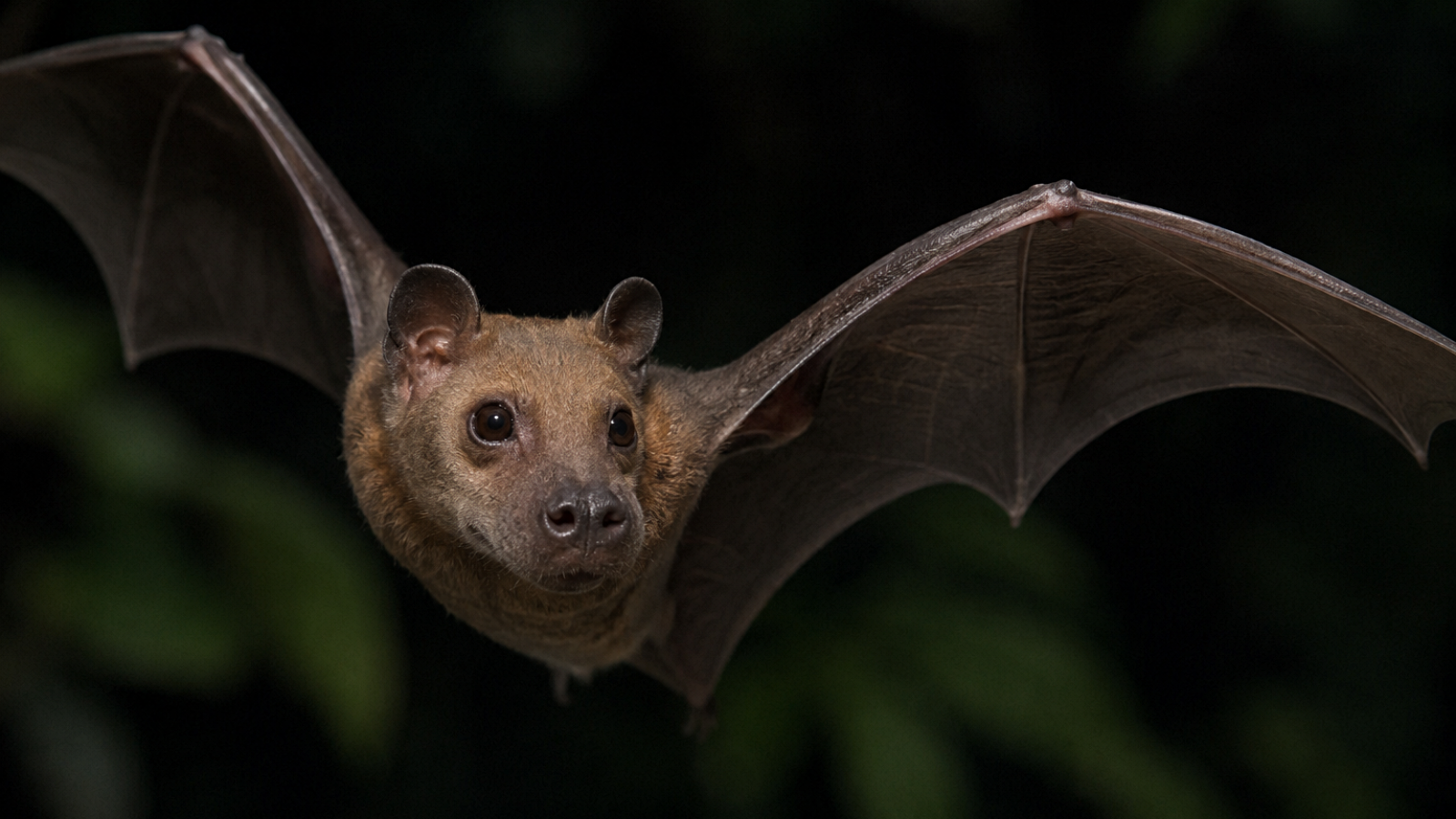
Nature has produced a creature with a canine face and leathery wings. Discover the fascinating world of the Dog-faced Bat and the science behind its unique appearance.
- Dog-faced bats belong to the genus Cynomops.
- They possess canine-like facial features but are biologically unrelated to dogs.
- New species like Freeman’s dog-faced bat were recently identified.
- They use high-frequency echolocation to hunt insects at high speeds.
What happens when evolution crafts a mammal with the face of a pet and the wings of a nocturnal predator? You get the Dog-faced Bat, a creature that defies immediate biological categorization for the casual observer. With its broad muzzle, widely spaced eyes, and rounded ears, this animal looks like it belongs in a kennel rather than a forest canopy.
Despite the name, these animals have no evolutionary connection to dogs. While dogs belong to the order Carnivora, these bats belong to the order Chiroptera. Their striking resemblance is a fascinating quirk of facial morphology. These bats belong to the genus Cynomops, found primarily in the tropical regions of Central and South America.
The Detective Work of Species Discovery
For years, the scientific community recognized only six species within this genus. However, the field of mammalogy is constantly evolving. In 2018, researchers successfully identified two additional species: Freeman’s dog-faced bat from Panama and the Waorani dog-faced bat from Ecuador.
BozokMedia analysis shows that modern wildlife research often involves 'detective work' rather than just finding new animals. Many 'new' species were actually sitting in museum collections for decades; scientists simply lacked the genetic and acoustic data to distinguish them from their relatives. By analyzing 242 specimens through DNA and geographic mapping, researchers finally brought the total to eight recognized species.
Identifying these species requires a combination of physical morphology, genetic sequencing, and acoustic analysis.
Master Hunters of the Night
Don't let the adorable face fool you. The Dog-faced bat is built for high-speed aerial maneuvers. They are nocturnal insectivores that hunt in open air, often flying high above the forest canopy. This rapid flight pattern makes them incredibly difficult for scientists to capture using traditional mist nets.
To navigate this high-speed lifestyle in total darkness, they rely on echolocation. By emitting high-frequency sounds and interpreting the returning echoes, they can pinpoint the exact location of an insect mid-flight. This acoustic ability is so distinct that scientists can often identify the species just by recording their calls.
| Feature | Canine (Dog) | Dog-faced Bat |
|---|---|---|
| Scientific Order | Carnivora | Chiroptera |
| Primary Diet | Omnivorous/Carnivorous | Insectivorous |
| Locomotion | Terrestrial | Aerial (Flight) |
Frequently Asked Questions
1. Why do they look like dogs?
It is a result of evolutionary history where their facial features—eyes, ears, and muzzle—coincidentally mimic canine structures.
2. Where is their primary habitat?
They are native to the tropical environments of Central and South America.


