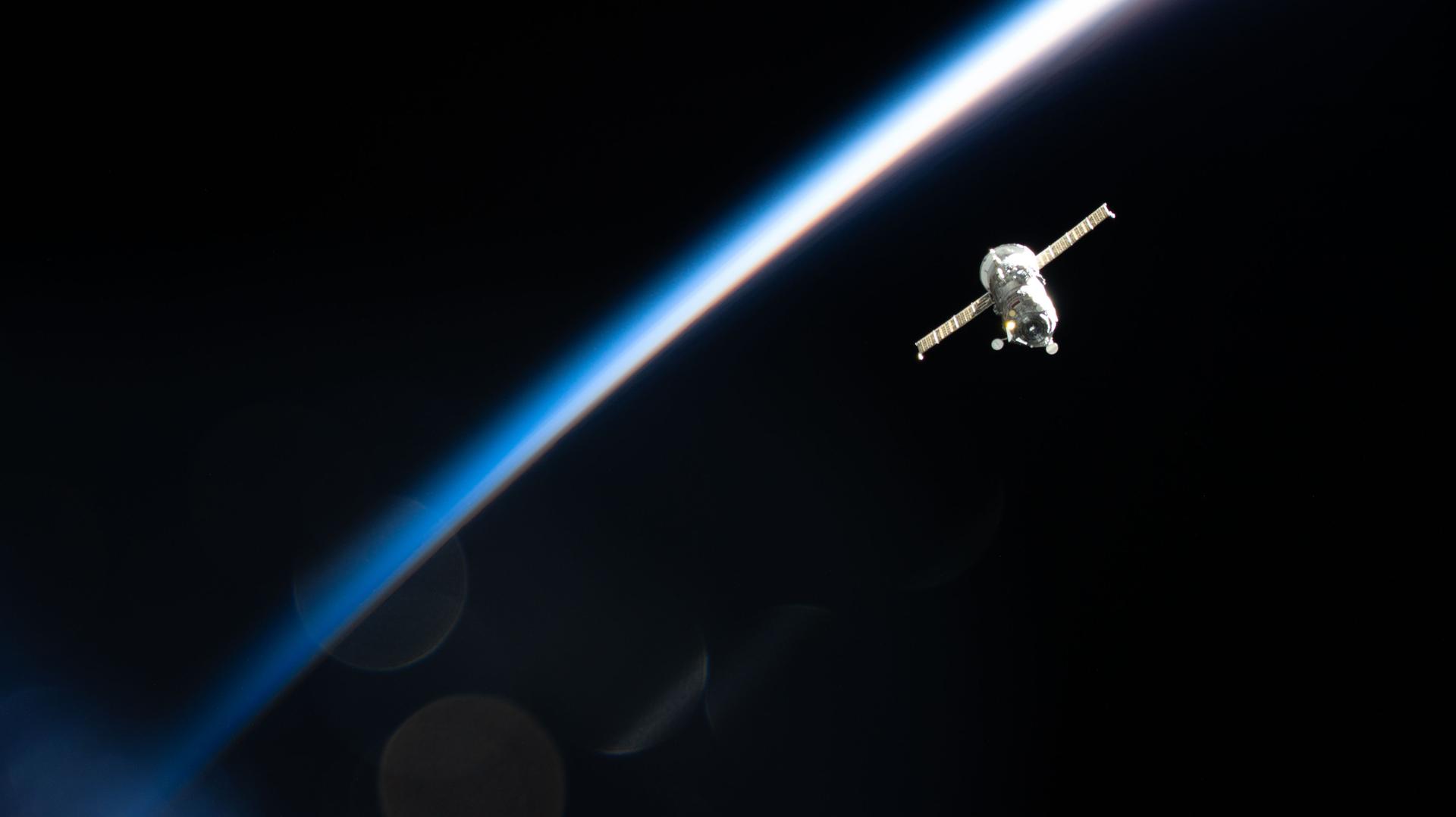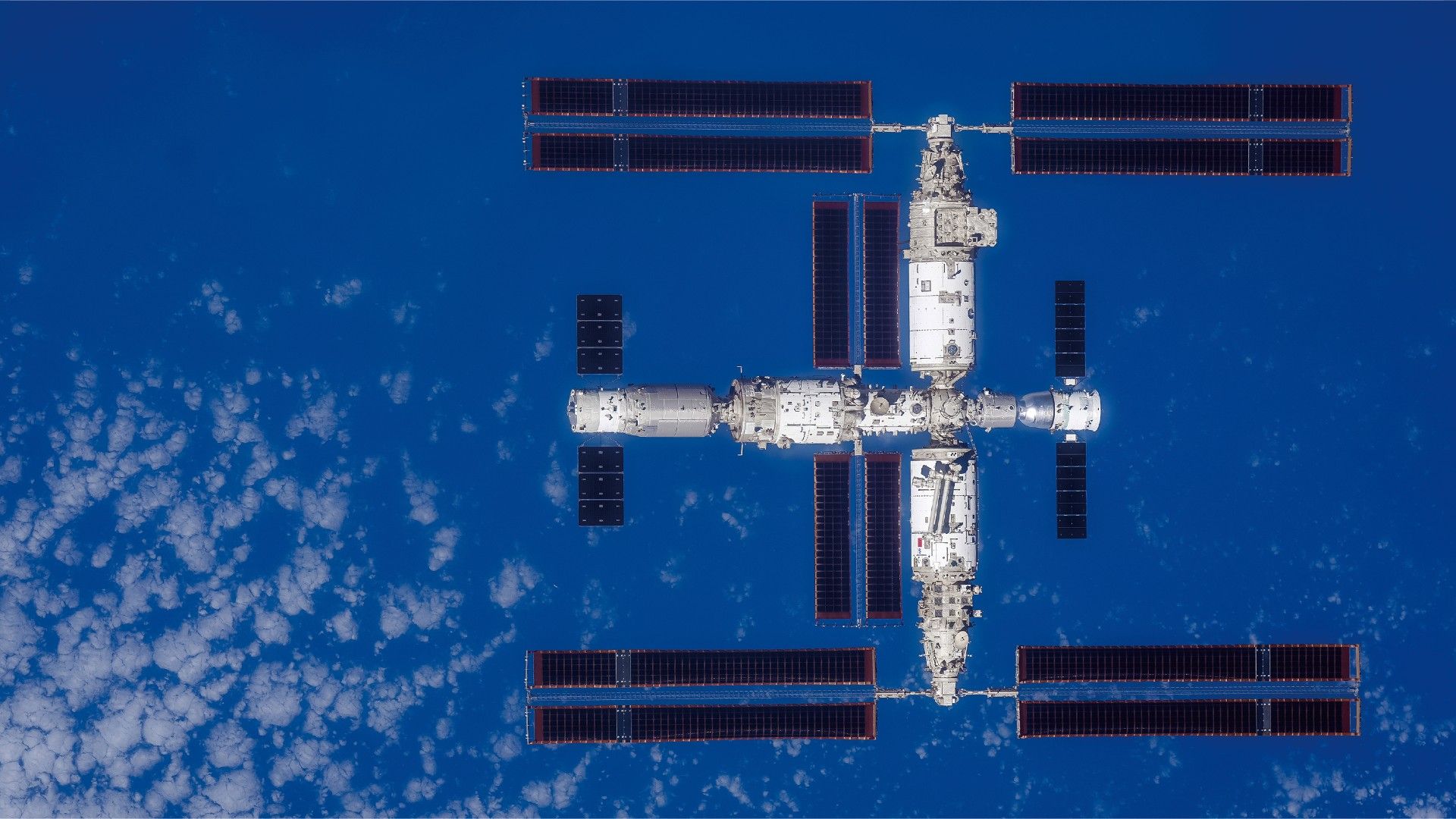
China’s new Tiangong space station will pass over the U.S. east coast several times next week, offering bright, quick sightings. With clear skies, observers can track it from sunset to sunrise using the times below.
- Tiangong will be visible for 2‑6 minutes over the next 9 days.
- New York experiences the brightest passes at 84°‑88° altitude.
- Its magnitude reaches –2, brighter than Jupiter but dimmer than the ISS.
How to Spot Tiangong
Tiangong, China’s first permanently inhabited orbital outpost, orbits at a 41.5° inclination and completes a circuit roughly every 90 minutes. The best viewing window is an hour or two after sunset or before sunrise when the station reflects sunlight while the sky is dark.
Key Passes from New York (Sept 2‑9)
Wed, Sept 2: 8:07‑8:13 p.m. EDT — magnitude –1.8, 51° altitude
Thu, Sept 3: 8:46‑8:50 p.m. EDT — magnitude –2.2, 84° altitude
Fri, Sept 4: 7:48‑7:54 p.m. EDT — magnitude –2.1, 77° altitude
Sat, Sept 5: 8:26‑8:31 p.m. EDT — magnitude –2.0, 75° altitude
Sun, Sept 6: 9:05‑9:08 p.m. EDT — magnitude –2.0, 74° altitude
Mon, Sept 7: 8:06‑8:12 p.m. EDT — magnitude –2.1, 77° altitude
Tue, Sept 8: 8:45‑8:49 p.m. EDT — magnitude –2.1, 67° altitude
Wed, Sept 9: 7:47‑7:53 p.m. EDT — magnitude –2.1, 88° altitude
What Tiangong Looks Like
Like the ISS, it appears as a bright, steady point of light moving smoothly across the sky. Unlike aircraft, it lacks flashing navigation lights. A typical pass lasts 2–6 minutes, but it can vanish abruptly if it enters Earth’s shadow.
About Tiangong
‘Tiangong’ means ‘Heavenly Palace’ and is China’s second-brightest space station after the ISS. It consists of three modules – Tianhe, Wentian, and Mengtian – launched between 2021 and 2022. Weighing about 100 tons, it’s roughly a quarter of the ISS’s mass.
Who’s Onboard
The station currently hosts three taikonauts as part of the Shenzhou‑23 mission: Zhu Yangzhu, Zhang Zhiyuan, and Li Jiaying (Lai Ka‑ying). Li is slated to stay for about a year, double the usual six‑month rotation.
Why This Matters
BozokMedia analysis shows Tiangong’s frequent visibility underscores China’s growing presence in space, offering new research opportunities while intensifying global space diplomacy dynamics.
"Tiangong’s lower orbit makes it an exceptional viewing target for both hobbyists and professionals," says Dr. Rajesh Patel, Professor of Space Science.
Frequently Asked Questions
- Can I see Tiangong with a telescope? Yes, a modest 10× telescope will reveal it clearly.
- Does Tiangong orbit faster than the ISS? No, both complete a circuit in about 90 minutes, though Tiangong is slightly lower.
Editor’s Comment
Tiangong’s bright passes remind us that space is an open arena where scientific curiosity transcends borders. This event underscores that the boundaries of astronomy are no longer purely geographic but also geopolitical.