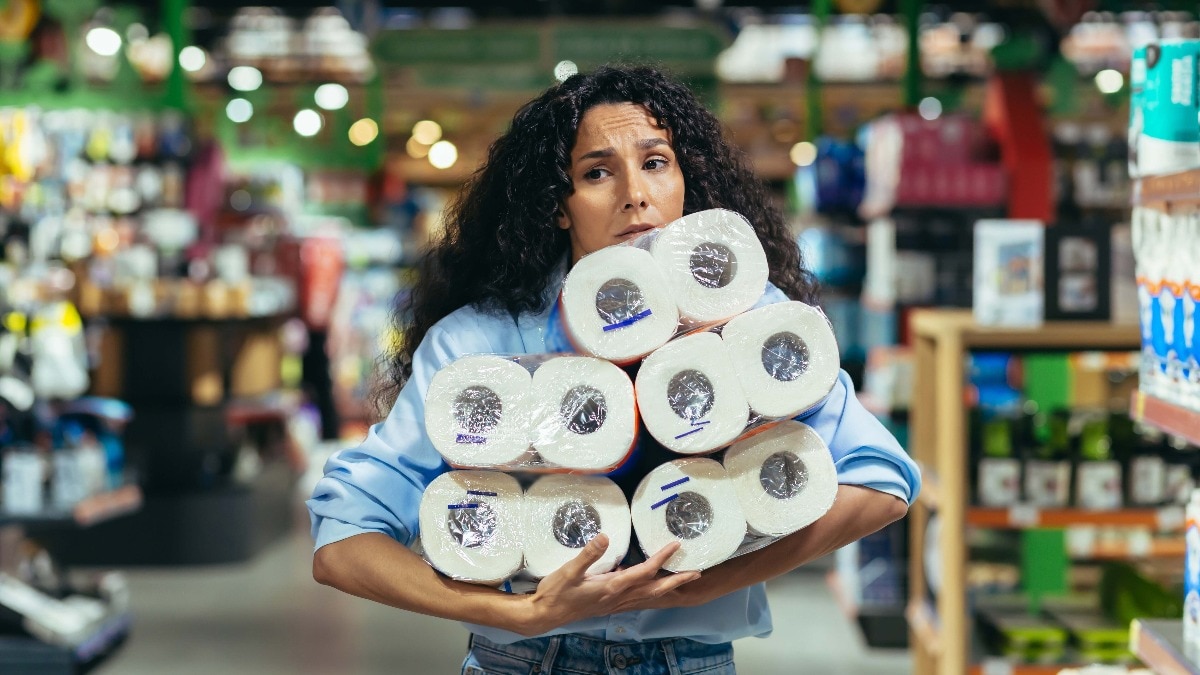
From pipe slope to paper density, discover the complex plumbing science that determines whether your toilet paper flows smoothly or creates a costly blockage.
- Premium toilet papers decompose slower than average-quality alternatives.
- Pipe slope and flush volume are critical factors in waste transport.
- 'Flushable' wipes are often a primary cause of sewer system blockages.
- The pulp and paper industry accounts for 13-15% of global wood consumption.
Every time you press the flush handle, a complex physical and chemical process begins. While most consumers assume toilet paper simply vanishes, research into household drainage reveals that pipe slope, flush volume, and the 'wet strength' of the paper are the primary drivers of how waste moves through your home's plumbing.
The Myth of Instant Disappearance
Toilet paper is engineered to break down, but not all papers are created equal. A 2012 study published in Environmental Science & Technology revealed that premium, denser toilet papers break down significantly slower in wastewater tests than average-quality papers. These premium products shed smaller fibers gradually, meaning larger chunks persist longer in the sewer lines, increasing the risk of accumulation.
Why This Matters
BozokMedia analysis shows that a plumbing failure is rarely caused by a single factor. Instead, it is a 'perfect storm' of variables. For instance, low-flow toilets—designed to save water—combined with long horizontal pipe runs and high-density paper can create conditions where solids cannot be transported effectively. In essence, the infrastructure of your home is just as critical as the product you buy.
"The intersection of water conservation technology and high-strength paper products has created a new challenge for modern urban drainage systems."
Septic Systems and Environmental Toll
For homes utilizing septic tanks, the biological breakdown of waste is key. The US Environmental Protection Agency (EPA) explicitly advises flushing only human waste and toilet paper. A major point of contention is the rise of 'flushable' wipes; despite their marketing, these products resist disintegration and are a leading cause of 'fatbergs' in municipal sewers.
Beyond the pipes, the environmental cost is staggering. The World Wildlife Fund (WWF) estimates that the pulp and paper industry consumes 13-15% of the world's industrial wood. Furthermore, recent studies have detected PFAS precursors (forever chemicals) in some toilet papers, suggesting that our daily hygiene habits may be contributing to chemical pollution in wastewater sludge.
| Paper Type | Decomposition Rate | Environmental Impact |
|---|---|---|
| Standard Grade | Fast | Moderate |
| Premium/Thick | Slow | High (Virgin Fiber) |
| Recycled | Variable | Low |
Frequently Asked Questions
1. Should I stop using thick toilet paper?
Not necessarily, but if you have low-flow toilets or frequent clogs, switching to a more easily degradable or recycled option is advisable.
2. Are 'flushable' wipes actually safe?
No. The EPA and wastewater authorities warn that these products do not break down quickly enough and should be disposed of in the trash.