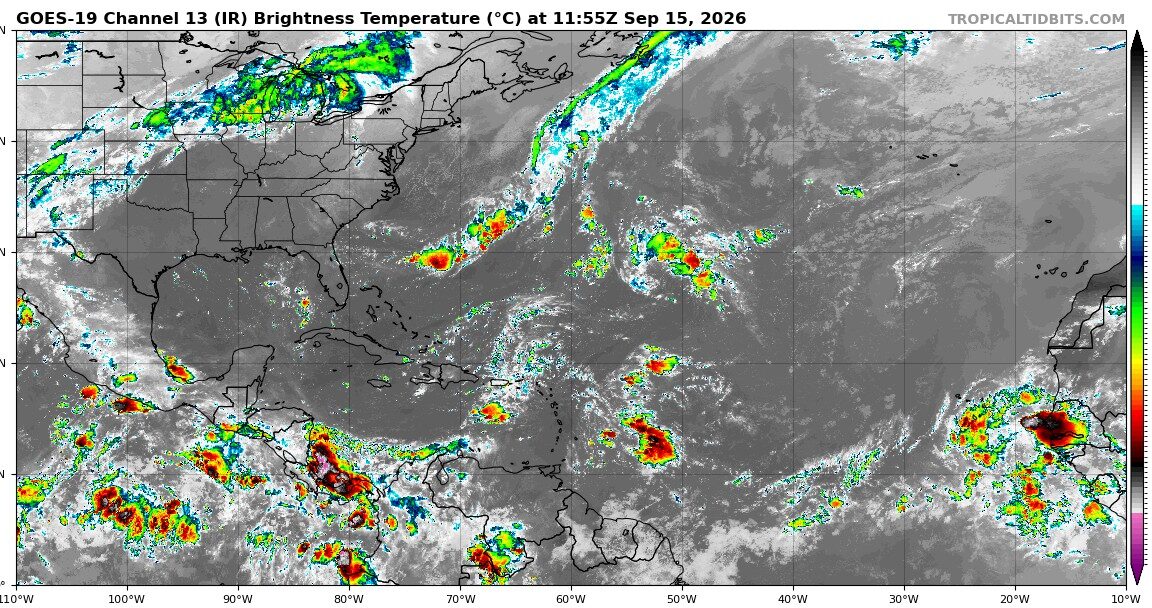
The Atlantic hurricane season has passed its traditional peak without significant storm activity, a phenomenon unseen for nearly two centuries. While providing relief to coastal regions, scientists are analyzing the complex drivers behind this anomaly.
- The Atlantic hurricane season passed its September 10 peak with minimal tropical activity.
- Saharan dust and high wind shear are the primary inhibitors of storm formation.
- This level of inactivity during peak warmth is a 175-year rarity.
The Atlantic hurricane season has just navigated through its traditional peak—typically centered around September 10—with an almost eerie lack of tropical waves, storms, or hurricanes. This phenomenon marks a historic anomaly, as such a quiet peak is something meteorologists haven't witnessed in approximately 175 years.
Under normal circumstances, this period is characterized by sea surface temperatures in the tropics reaching their annual maximum. Such warmth, combined with a favorable atmosphere, usually acts as high-octane fuel for tropical cyclones. However, this year, the primary development regions have been effectively neutralized by two major factors: massive plumes of Saharan dust and intense wind shear.
Why This Matters
BozokMedia analysis shows that while the lack of landfalling hurricanes is a relief for coastal infrastructure and flood management, it creates a complex geopolitical and economic landscape. A quiet season prevents immediate destruction, but the underlying thermal energy in the ocean remains, posing a latent threat if atmospheric conditions shift suddenly.
The absence of storms during peak thermal windows suggests a profound disruption in traditional atmospheric circulation patterns.
The economic implications are equally significant. Even storms that remain at sea, particularly in the Gulf of Mexico, have the power to disrupt energy supplies and cause global oil and gas prices to spike. For a global economy already facing volatility, the sudden absence of these predictable (albeit destructive) patterns adds a layer of meteorological uncertainty.
Historical Background
Historically, the correlation between warm sea surface temperatures and hurricane frequency has been strong. The current deviation—where heat is present but storms are absent due to Saharan interference—represents a significant departure from the historical record maintained over the last 1.75 centuries.
Frequently Asked Questions
Question 1: Why aren't storms forming despite warm waters?
Answer: High wind shear and Saharan dust are preventing the organization of tropical systems.
Question 2: Is this a sign of a dying hurricane season?
Answer: Not necessarily; it is a temporary suppression caused by specific atmospheric conditions.


.jpg)
